
Welcome to PYPteachingtools.com
Planning Your First Unit of Inquiry: Where to Start in the IB PYP
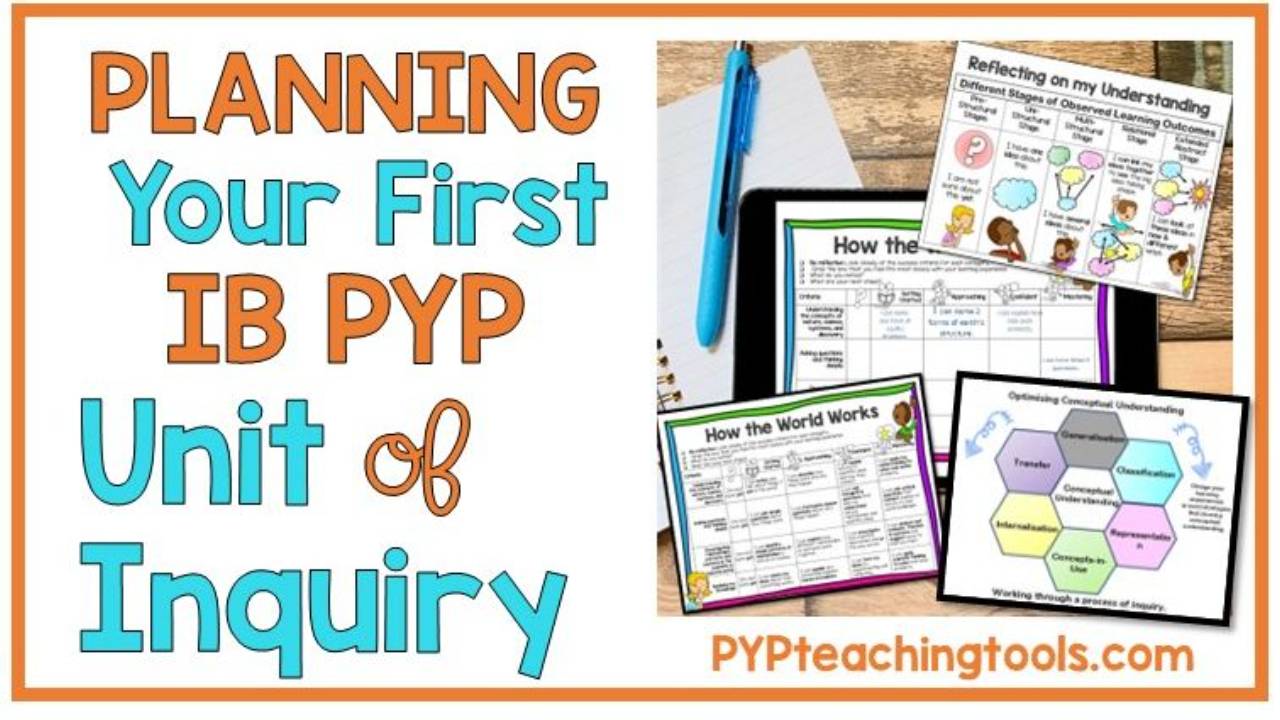
Back to school in your IB PYP class is well and truly over. The settling-in weeks are behind you. Routines are running, names are sticking, the classroom finally feels like yours. And now the real planning pressure lands: your first proper unit of inquiry of the year.
It's a strange kind of hard. You've done this before, plenty of times. But not with this group, not yet knowing what makes them curious, what derails them, what they'll push back on. There's no "last year's version" of this unit to lean on, because last year's version was built for different children and the reflections came from those children.
That's why the first unit of the year is so often the one that eats the most planning time, for the least confidence in the result.
Why the First Unit Is the Hardest One to Plan
A few reasons this one is different from every unit that follows it:
- You're choosing concepts for a class you're still getting to know; there's no muscle memory with this group yet.
- How well verse ...
Planning an IB PYP Who We Are Inquiry: What Concepts Live Here?
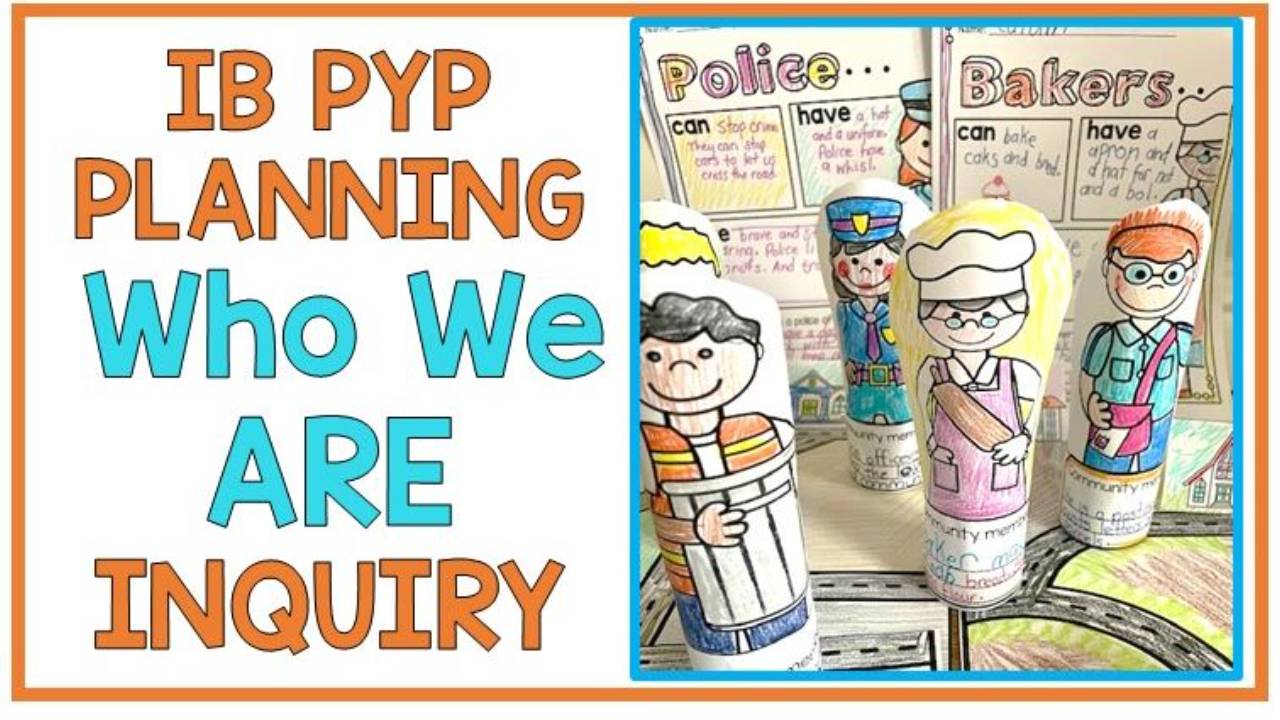
Is human body science still an IB PYP Who We Are unit under the IB's refreshed transdisciplinary themes and how does a kindergarten community project fit under the very same theme as a grade 5 unit on beliefs and values?
Short answer: all of it fits, and it isn't a coincidence. Who We Are's updated descriptor names three strands: physical, emotional, social and spiritual health and well-being; relationships and belonging; and learning and growing all pointing back to one idea: identity. Body systems, community, belief .... they're three doors into the same room. (Full adoption of the refreshed descriptors runs through September 2027, so if your school hasn't formally moved over, it's worth a quick check with your PYP coordinator.)
But that raises the real question underneath all of this: if the content is completely different from one Who We Are unit to the next, what actually makes it recognisably the same theme?
Not the content. The concepts.
Content Is the Vehicle, Not the Destinati...
Are You an IB PYP School? The Ultimate Inquiry Toolkit To Support You
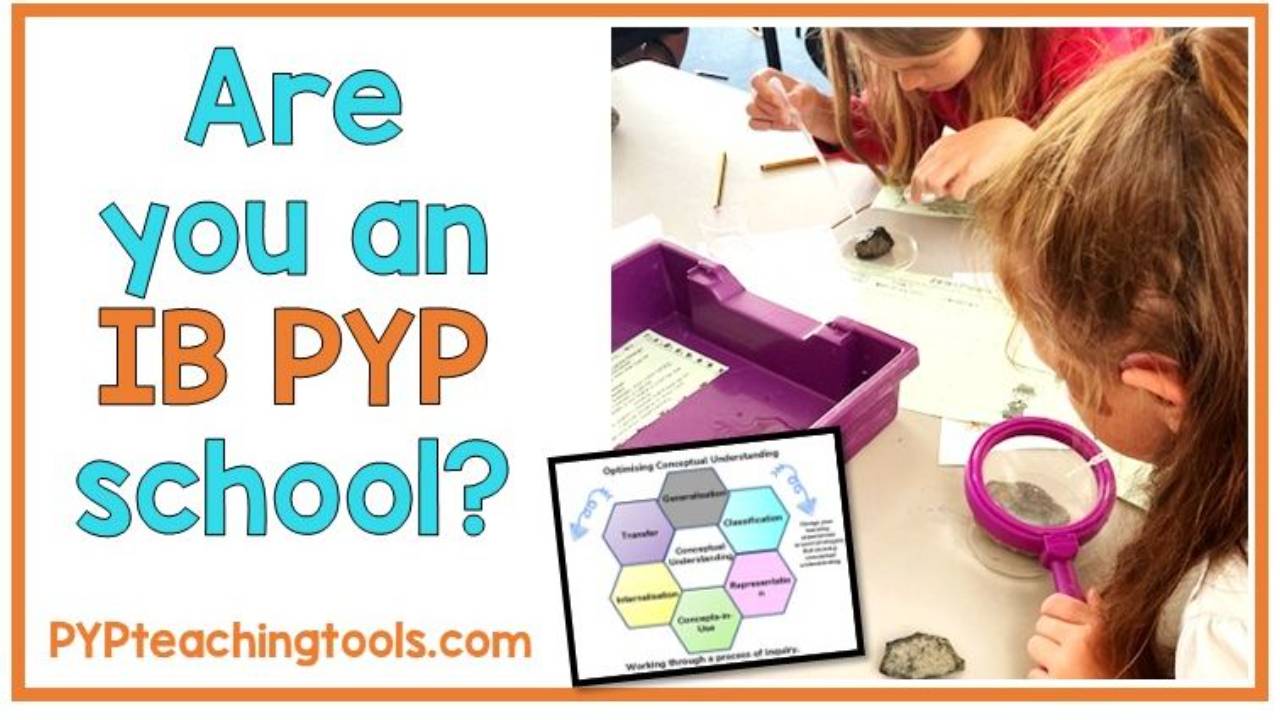
Are You a PYP School?
If you are opening a new PYP programme, welcoming a wave of new-to-PYP teachers this year, or simply looking for a complete resource to anchor your whole staff around concept-based inquiry, this one is for you.
Getting a school off to a strong start with the IB PYP takes more than good intentions. It takes a shared language for the concepts, a shared understanding of the Approaches to Learning skills, and practical, classroom-ready tools that every teacher, from Kindergarten through Grade 5, can pick up and use with confidence.
That is exactly why I built the Ultimate PYP Inquiry Toolkit Bundle.
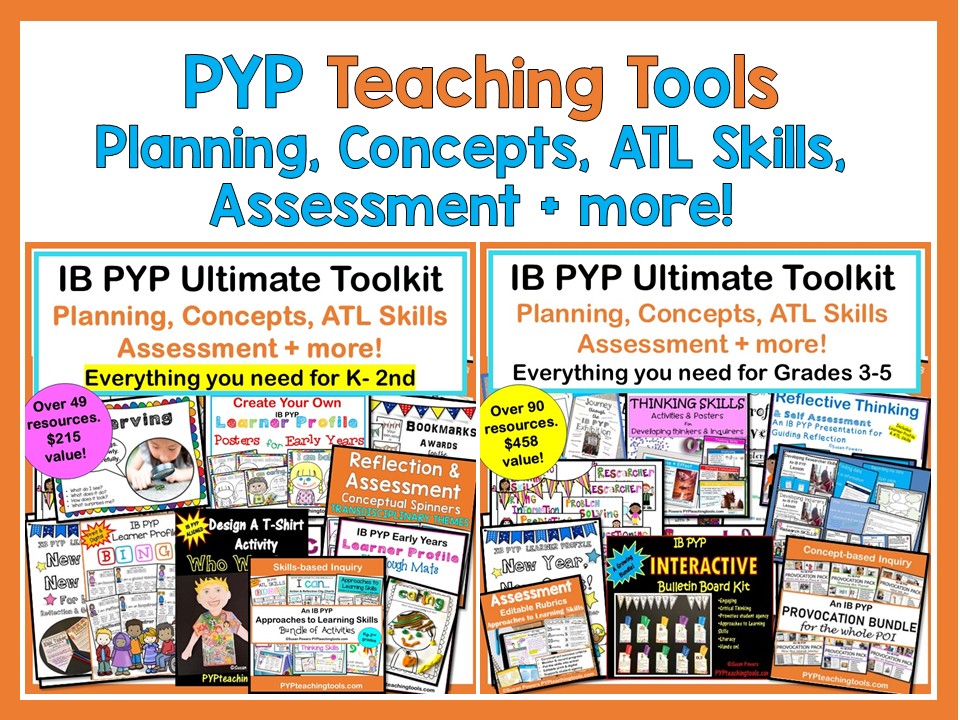
Toolkit Bundles , Whole School Support for Every Level
The bundles come in two complete sets, so every teacher across your school is supported at their own grade band:
- The K-2 IB PYP Inquiry Teaching Toolkit, with over 50 ready-to-use, practical resources built for your youngest inquirers.
- The Grades 3-5 IB PYP Inquiry Toolkit, with 104 hands-on, ready-to-go res...
Planning in the IB PYP How the World Works: What Concepts Live Here?
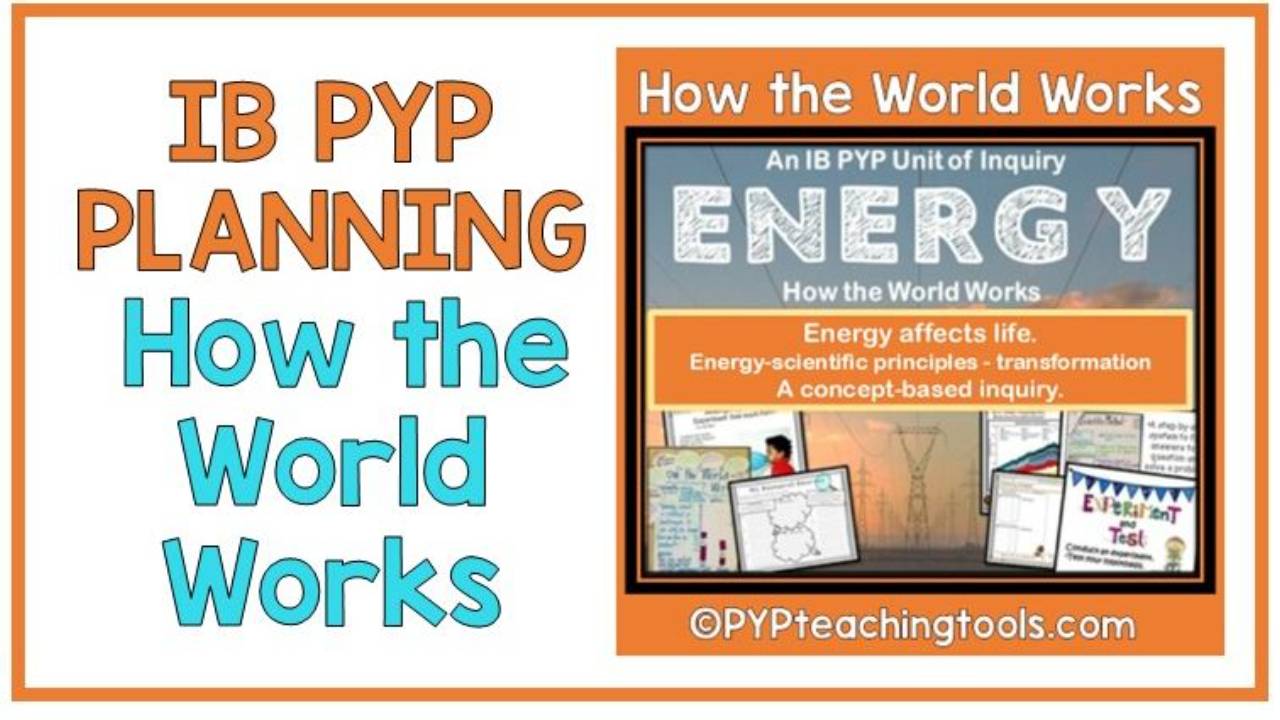
Every Unit of Inquiry starts somewhere. For most of us, it starts with content — forces, motion, machines, energy, structures, technology. We picture the activities first, then go hunting for resources, then try to squeeze it all into the planner.
Somewhere in that process, the inquiry itself can get lost.
I want to suggest a different starting point: start with the concepts. If inquiry is the journey, concepts are what propel it forward and that brings us to the single most useful question you can ask when planning a Unit of Inquiry:
What concepts live here?
Not just the specified concepts already sitting in the planner. What concepts actually live in this theme? That one question can change the way you plan every unit you teach and it's the starting point for a simple, repeatable 7-step pathway I use for concept-based planning, which I'll walk through below using a How the World Works unit on forces, motion and innovation as the example.
Planning the Inquiry, Not Perfecting the...
IB PYP Student-Led Conferences: A Practical Guide for Teachers
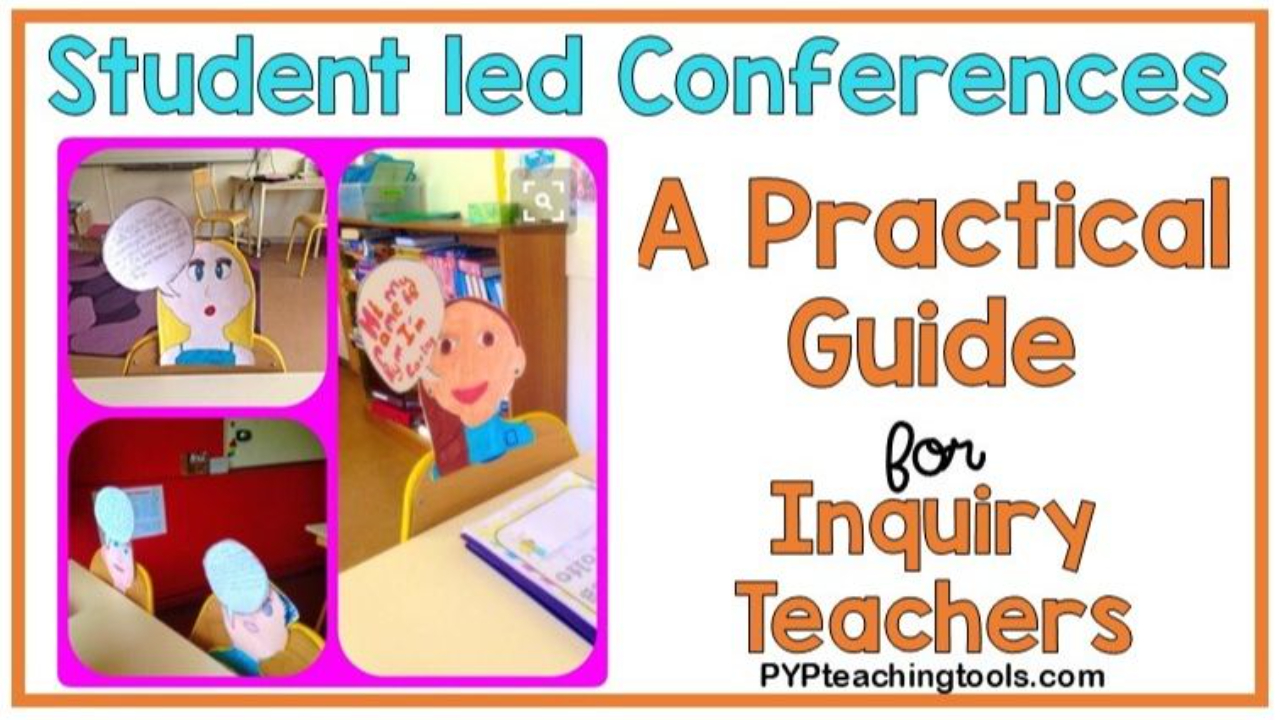
😊If you know, you know! Student-Led Conferences (SLCs) remain one of the most powerful celebrations of learning. When done well, they put students at the centre of their learning story, build reflection, communication and self-assessment skills, and strengthen the partnership between classroom and home. This updated guide for PYP teachers emphasises agency, co-planning, hands-on experiences and practical ideas you can use in your classroom... and even extend into family learning experiences.
What Makes a Powerful PYP SLC?
An IB PYP student-led conference shifts the traditional teacher-centred format into a learner-centred dialogue. The student:
-
Guides the conversation about their learning journey and goals.
-
Uses evidence from their portfolio to show concepts, progress, and questions.
-
Reflects on how they learn as much as what they learn.
The teacher’s role is to facilitate preparation, support reflection, and create the conditions for student voice and choice. Families become a...
5 Ways to Bring Inquiry Into Your IB PYP Math
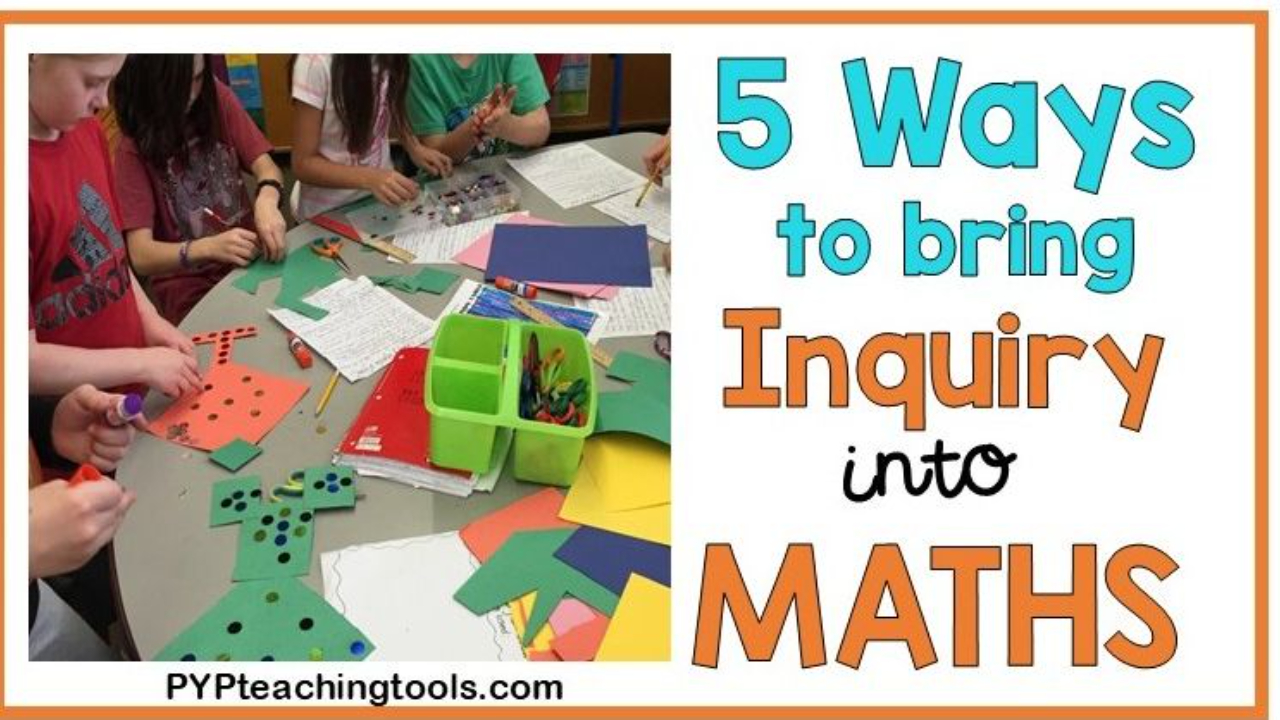
Maths is so much more than “finding the answer.” When we connect it to everyday experiences, it becomes about seeing patterns, asking questions, and making sense of the world.
One simple but powerful guiding question is:
Where’s the maths here?
This question opens the door to authentic inquiry, giving students the chance to explore mathematics through curiosity, context, and connection. Below are five strategies you can use with any age group to nurture student agency and highlight maths through a conceptual lens.
I'm bringing you 5 ideas that can be applied with ANY age and really support student agency, identifying those threads for inquiry and all through a conceptual lens.
When we connect maths to everyday experiences, it becomes less about “finding the answer” and more about seeing patterns, asking questions, and making sense of the world.
Find the threads for inquiry.
Consider the big question: Where's the maths here?
Here are 5 simple, hands-on ways to bring that spiri...
Anti-Bullying Month Activities for IB PYP: Inspiring Inquiry, Kindness and Student Action
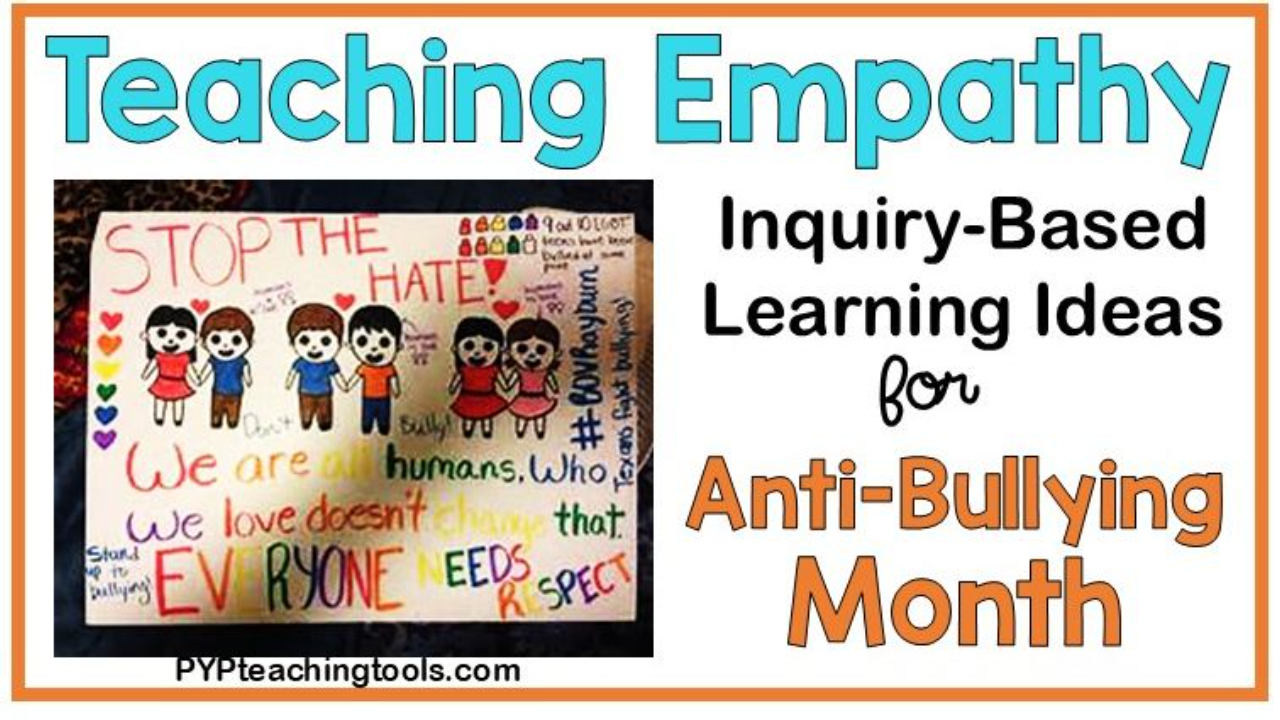
Inquiry, Empathy & Action in Anti-Bullying Month
Every October, schools worldwide focus attention on raising awareness about bullying, promoting kindness, and empowering students to act. National Bullying Prevention Month offers a timely frame for engaging learners in inquiry that leads not just to awareness, but to student-led action for positive change.
Within an IB PYP classroom, we can leverage this month to deepen conceptual thinking (e.g. perspective, responsibility, relationships, identity, fairness) while scaffolding students’ capabilities to inquire, reflect, and act in their communities. Below I've suggested a structure, some practical classroom examples, and ways to incorporate ready-made tools that encourage student agency.
BOOK LIST: And, Im including a book list for you too with some of my favourites for exploring the concepts of relationships, peace & conflict and caring. Scroll down😊
Core Research / Inquiry Skills in Anti-Bullying Projects
When framing an inquiry ar...
New to the IB PYP? Essentials for Getting Started with the IB PYP

If you are one of the many, many teachers who will be new or newish to the IB PYP & inquiry-based learning this year, then this is for you. I want you to feel welcome within our community, knowing that this adventure is going to be amazing! Give yourself grace. Take it one step at a time. This article is FULL and links to videos and additional materials. Bookmark it and take notes. Grab a cup of tea and let's do this. Together.😊
I wanted to put out a list of the essentials for every IB PYP classroom, giving even those of you who, like myself, tend to procrastinate all summer long, plenty of time to prepare. Back to school preparations are in high gear for some and dragging for others. I tend to fall into the latter category myself…despite good intentions every single year. You know, last minute cramming moments before the kids walk into the classroom? No matter which camp you fall within, I have that checklist of the essentials for your inquiry-based classroom that will help keep you...
End of the Year Reflection Activities for the IB PYP Classroom

|
Greetings international teachers, from (not so) sunny Scotland. Another school year is almost over and I know those main challenges that we teachers face at the end of the school year.
Well, I have a few ideas for activities that are perfect for the end of the year that I wanted to share with you. These are easy to prepare, easy to implement and easy to keep the kids motivated whilst learning. Even if you arent at that point in your school year, take a look. Im hoping you'll be able to find something that might work for your class. White Board Summer WishesThe picture below is a photo of me with messages from my 3rd grade students. This is a super easy and fun activity for ALL age ... |
5 Keys to Develop Collaborative Learning Experiences in the IB PYP

There is no doubt that within most of the IB PYP units of inquiry we have those subjects that have to be addressed as "stand alone" lessons that require explicit teaching and a very real need for paper and pencil work. However, when it comes to engagement, we need to remember that hands on investigation, authentic application of the skills and student input is far more memorable for the children, enables transfer of understanding and supports a sense of ownership. Let's talk about the collaborative learning experience. I am using maths and reading skills as an example but it can be applied to any subject. Welcome to OPERATION COOPERATION.
..... it is fundamental to the philosophy of the PYP that, since it is to be used in real-life situations, mathematics needs to be taught in relevant, realistic contexts, rather than by attempting to impart a fixed body of knowledge directly to students -Oxford Mathematics & IBO
I will be sharing some real-world examples from my classroom with m...
