
Welcome to PYPteachingtools.com
Planning Your First Unit of Inquiry: Where to Start in the IB PYP
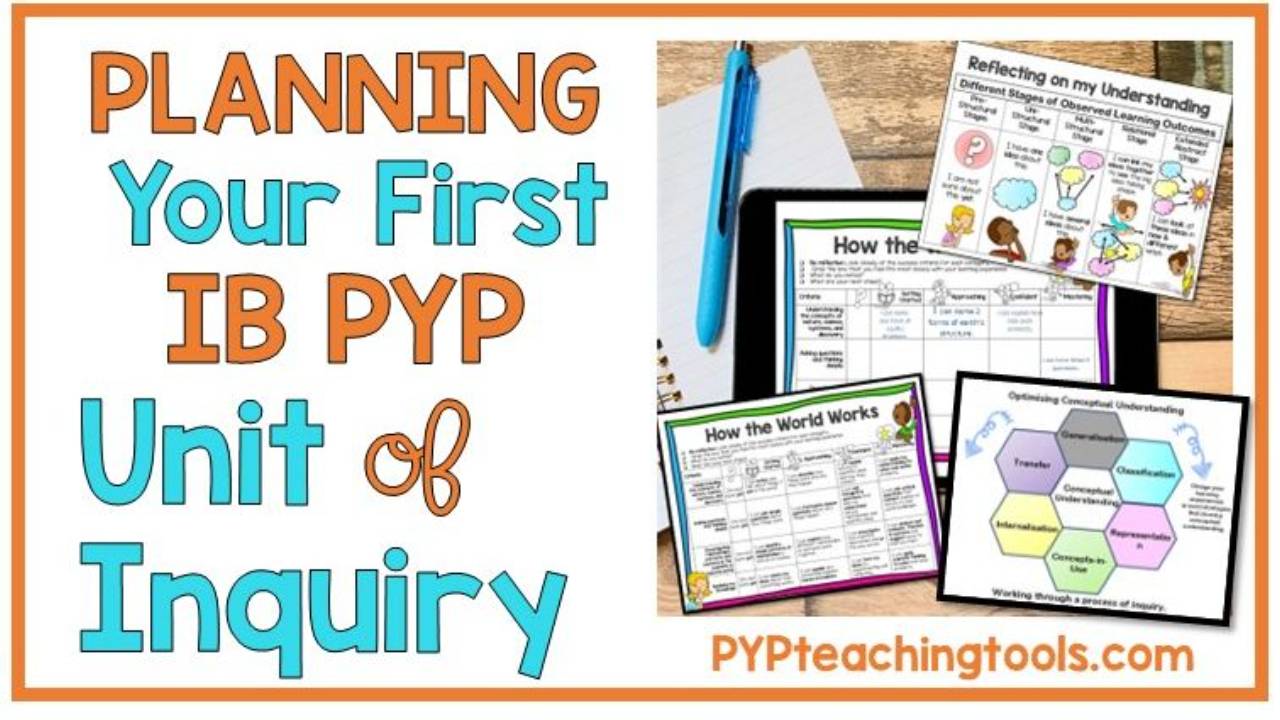
Back to school in your IB PYP class is well and truly over. The settling-in weeks are behind you. Routines are running, names are sticking, the classroom finally feels like yours. And now the real planning pressure lands: your first proper unit of inquiry of the year.
It's a strange kind of hard. You've done this before, plenty of times. But not with this group, not yet knowing what makes them curious, what derails them, what they'll push back on. There's no "last year's version" of this unit to lean on, because last year's version was built for different children and the reflections came from those children.
That's why the first unit of the year is so often the one that eats the most planning time, for the least confidence in the result.
Why the First Unit Is the Hardest One to Plan
A few reasons this one is different from every unit that follows it:
- You're choosing concepts for a class you're still getting to know; there's no muscle memory with this group yet.
- How well verse ...
Planning an IB PYP Who We Are Inquiry: What Concepts Live Here?
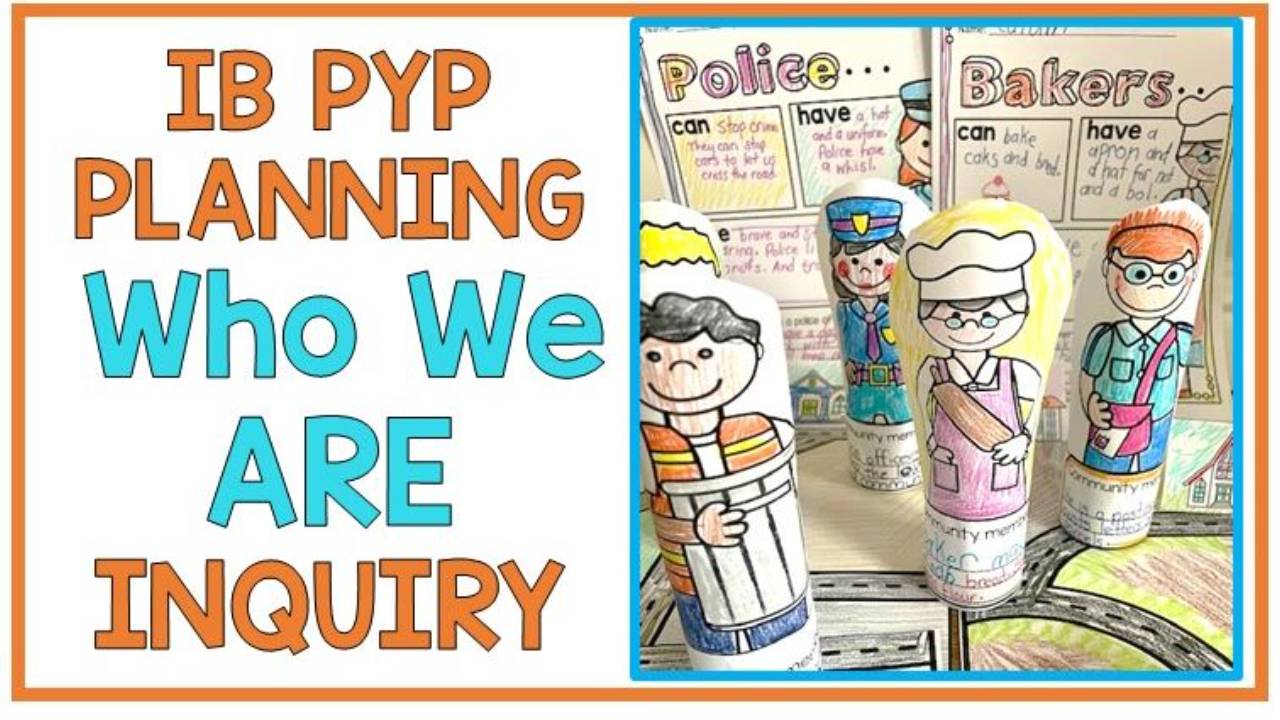
Is human body science still an IB PYP Who We Are unit under the IB's refreshed transdisciplinary themes and how does a kindergarten community project fit under the very same theme as a grade 5 unit on beliefs and values?
Short answer: all of it fits, and it isn't a coincidence. Who We Are's updated descriptor names three strands: physical, emotional, social and spiritual health and well-being; relationships and belonging; and learning and growing all pointing back to one idea: identity. Body systems, community, belief .... they're three doors into the same room. (Full adoption of the refreshed descriptors runs through September 2027, so if your school hasn't formally moved over, it's worth a quick check with your PYP coordinator.)
But that raises the real question underneath all of this: if the content is completely different from one Who We Are unit to the next, what actually makes it recognisably the same theme?
Not the content. The concepts.
Content Is the Vehicle, Not the Desti...
What Is An Inquiry Cycle in the IB PYP ?

If you're new to inquiry based learning or the IB PYP, you may very well be asking yourself what exactly is an inquiry cycle? Well, basically it is a marvellous journey that you take alongside your students, allowing a common language into exploration.😊 Let's dive in and unpack it together.
Concept-based inquiry is at the heart of the IB PYP pedagogy and the process of inquiry is often modelled as a linear cycle. There are many correct inquiry cycles out there and it doesn't matter which one you prefer to follow or adapt since the process of learning is what's most important for your students. It provides a powerful framework for cultivating curiosity in our classrooms. When we talk about inquiry, we’re talking about active learning; empowering our students to BE thinkers, questioners, explorers, communicators. However, PYP schools are probably most familiar with Kath Murdoch’s inquiry cycle.
In today's post, we’ll explore the fundamental stages of the process of inquiry and I'll o...
