
Planning in the IB PYP How the World Works: What Concepts Live Here?
Every Unit of Inquiry starts somewhere. For most of us, it starts with content — forces, motion, machines, energy, structures, technology. We picture the activities first, then go hunting for resources, then try to squeeze it all into the planner.
Somewhere in that process, the inquiry itself can get lost.
I want to suggest a different starting point: start with the concepts. If inquiry is the journey, concepts are what propel it forward and that brings us to the single most useful question you can ask when planning a Unit of Inquiry:
What concepts live here?
Not just the specified concepts already sitting in the planner. What concepts actually live in this theme? That one question can change the way you plan every unit you teach and it's the starting point for a simple, repeatable 7-step pathway I use for concept-based planning, which I'll walk through below using a How the World Works unit on forces, motion and innovation as the example.
Planning the Inquiry, Not Perfecting the Planner
It's easy to get pulled into making the planner "right" :is the central idea worded correctly, do the lines of inquiry flow, have we ticked off the right SPECIFIED concepts? But the planner is a skeletal tool. What matters is what happens because of the thinking behind it.
The planner supports the inquiry. It isn't the inquiry.
So where do we actually begin? With a question. Not necessarily the central idea, not the lines of inquiry, but our own questions as planners:
- What do we want children to notice?
- What might surprise them?
- What might challenge what they already believe?
- What if their first theory is completely wrong where could that take the inquiry?
The quality of our essential guiding questions shapes the depth of the inquiry, and ultimately how far students can transfer their understanding beyond the unit. And these questions are what guide our planning. You can grab this planning guide for FREE right here.
The 7-Step Pathway for Concept-Based Planning
Here's the pathway I use every time I plan a concept-based unit. It doesn't add complexity to planning, it just gives it a consistent order, with content deliberately placed last.
1. What is the terrain?
Start with the transdisciplinary theme. In this case, How the World Works. Before deciding what you're going to teach, pause and look at the terrain. What kinds of big ideas naturally live within this theme? What might students investigate or notice about the world around them? What's worth understanding beyond this particular unit?
2. What concepts live here?
This is where the real planning begins. For a How the World Works inquiry natural phenomena, predicable cycles and patterns, we might initially notice concepts like energy, transformation, innovation, impact alongside our specified concepts of connection, form and function.
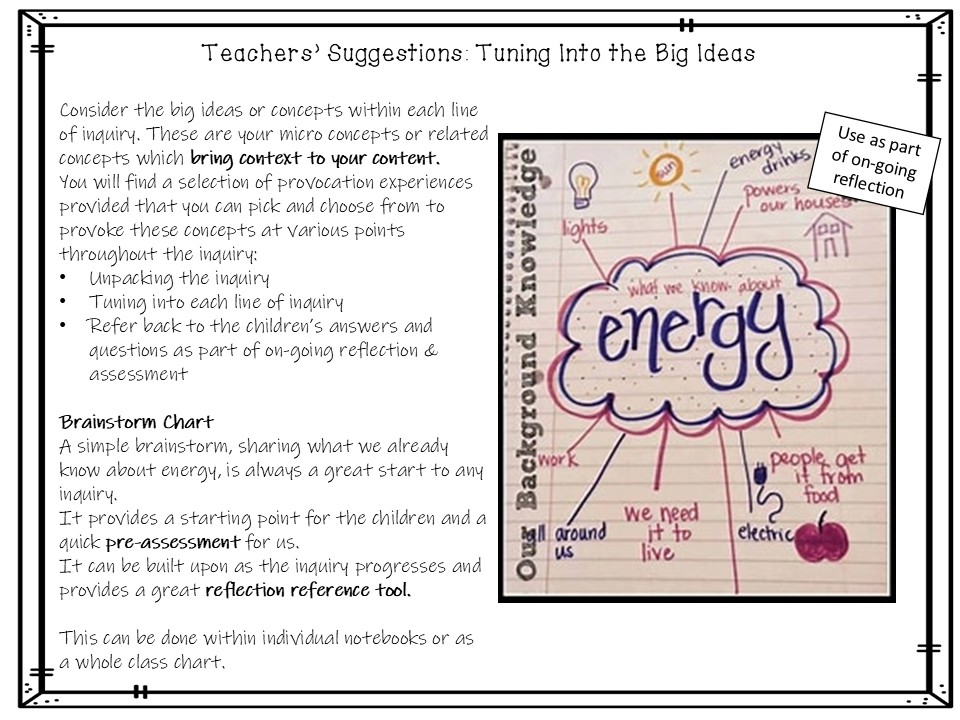
Don't stop at the specified concepts. Look at the terrain and ask what else is hiding there: change, systems, relationships, purpose, improvement, efficiency, problem-solving, adaptation, cause and effect. You're not trying to squeeze every concept into the unit you're noticing what's there, because these are the ideas students carry with them long after the unit ends.
3. Which specified concept takes us narrow and deep?
Now narrow the focus. With connection, form and function on the table, ask which one gives the inquiry most real depth? Which one helps students connect the science they're investigating to the world they live in?
Function might lead toward: How does energy affect everyday life? How does energy transfer affect function? Form might lead toward: What does energy look like? Connection might lead toward: How are forces, motion and energy connected?
Now we're beginning to see the inquiry, not "teaching children about energy," but creating opportunities for them to think conceptually about forces.
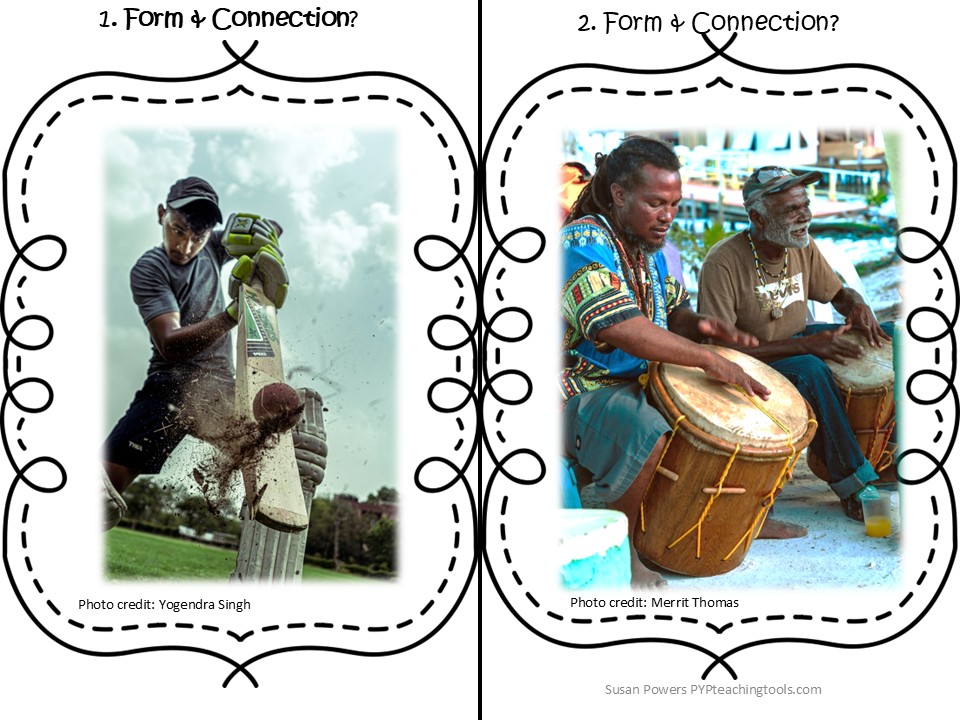
4. What is the broad general idea?
Only now do we start drafting the central idea. We're not trying to land on the perfect sentence, but capturing the broad general idea we want students to develop. For this unit, that might be the relationship between scientific principles, transfer of energy and impact: Energy affects life.
Notice what happened: we didn't start by writing the central idea, we worked toward it. It becomes a statement of the understanding we're developing, not something invented first and then propped up with activities.
5. What inquiry pathways will students explore?
With the conceptual direction set, we can plan the actual inquiry: forces and motion, scientific principles, design, innovation, impact. Each becomes a purposeful pathway rather than a stand-alone "fun science activity."
A child testing different surfaces isn't just learning about friction — they're gathering evidence. A child building a structure isn't just completing a STEM challenge — they're making decisions about form and function. A child changing their design after testing is experiencing innovation. A child explaining why their design works is connecting scientific understanding with design.
That's the difference between doing activities and learning through inquiry.
Worth doing before your next planning meeting: these five questions take about five minutes to run through, and they change the entire starting point of a unit. Save them somewhere you'll actually see them.
6. Which skills does the inquiry genuinely demand?
Rather than choosing Approaches to Learning skills because they "fit the planner," ask what this inquiry genuinely demands. For energy and interdependence, that might mean observing carefully, asking questions, making predictions, planning investigations, identifying variables, collecting and interpreting data, communicating findings, collaborating, evaluating evidence, revising thinking, designing and testing solutions, and reflecting on learning.
The skills emerge from the thinking students need to do which gives you a far more authentic reason for teaching and assessing them.
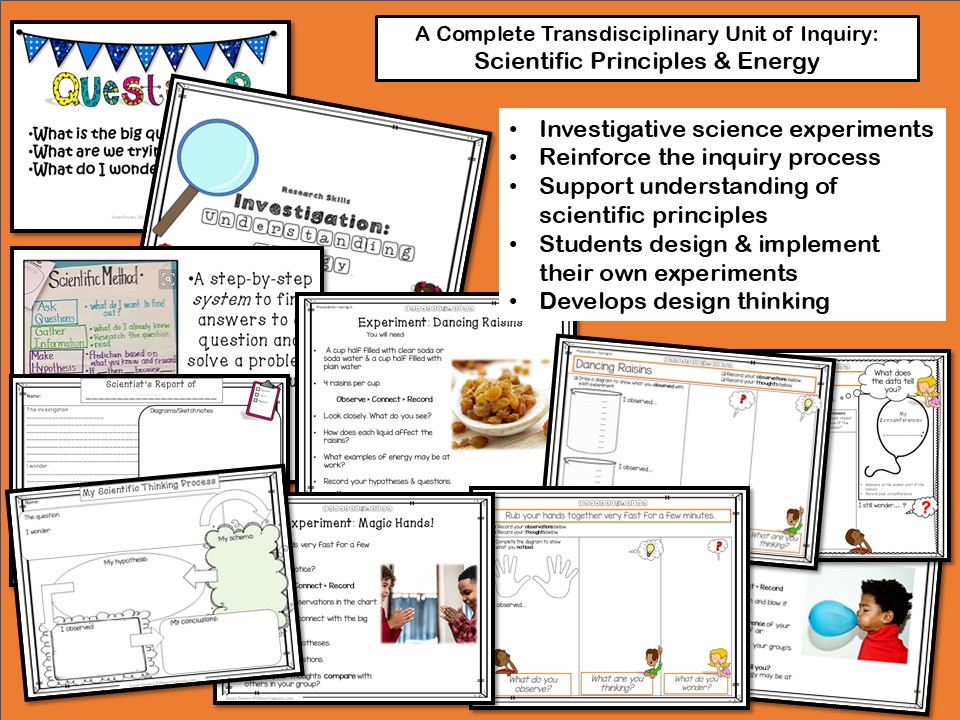
7. What content serves these concepts?
Content comes last. This is the biggest shift in the whole process. Once you know the conceptual territory, the intended understanding, the inquiry pathways and the skills students genuinely need, then you ask what content they need to develop that understanding: push and pull, friction, gravity, Newton's Laws of Motion, simple machines, structures, engineering principles, scientific investigation, materials, technological design.
Content becomes the vehicle for the thinking. It isn't the destination. Which is why the question worth returning to, every time, is: what concepts live here? Start there, and the content has somewhere to go.
What This Looks Like in the Classroom
Take a student designing a science experiement. On the surface, it looks like a science or STEM activity. Through a concept-based lens, the questions get much more powerful:
- What form of energy am I producing/witnessing?
- How does its form affect its function?
- What connections can you make between the energy and the way it changes or creates change?
- What could you change to improve the outcome
- How is this an example of interdependence, and what might its impact be?
The activity hasn't changed. The intention behind it has.
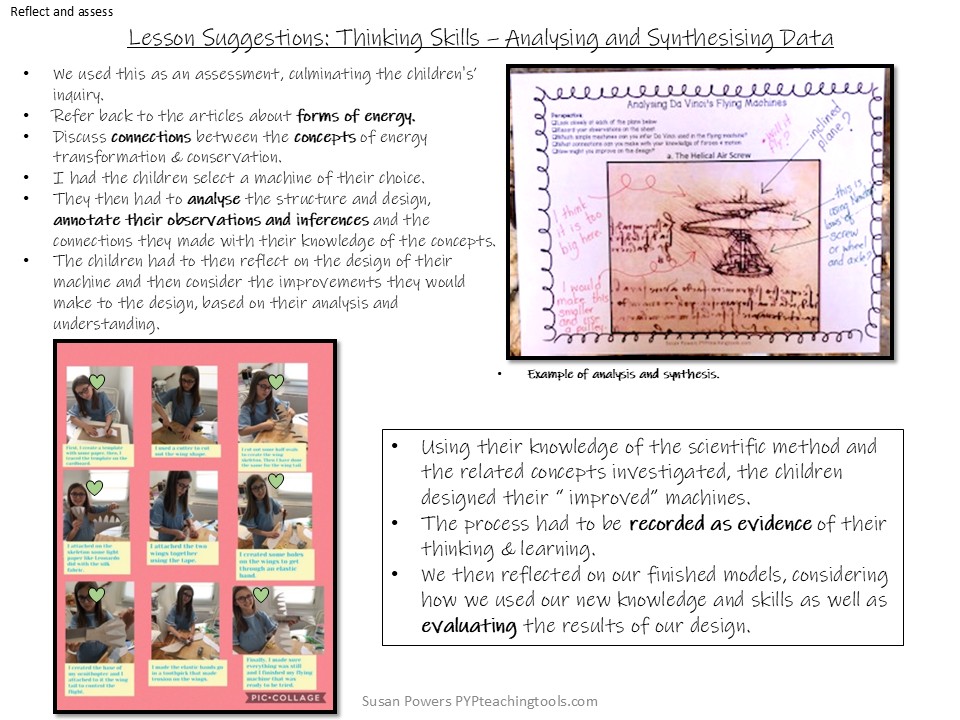
When students test, modify and explain their designs, they're doing more than applying content, they're developing conceptual understanding through experience.
The Question That Changes the Planning
Keep one more question at the centre of this process: how might our students use this understanding in a new context or situation they haven't yet encountered in class?
That's where transfer begins. A student who can explain friction during a toy-car lesson has learned something useful. A student who can recognise friction, make the connection and use that understanding somewhere we never explicitly taught it has understood something deeply. We shouldn't plan only for students to know something we should plan for them to understand it deeply enough to use it somewhere else.
A Simple Way to Remember the Process
You don't need to start your next Unit of Inquiry with a blank planner. Start with these seven questions, in this order:
- What is the terrain?
- What concepts live here?
- Which specified concept takes us narrow and deep?
- What is the broad general idea?
- What inquiry pathways will students explore?
- Which skills does the inquiry genuinely demand?
- What content serves these concepts?
Notice where content sits: last. Good concept-based planning doesn't start with what am I going to teach it starts with what do I want my students to understand, and before even that, what concepts live here?
Using Ready-Made Resources Without Losing the Inquiry
A ready-made Unit of Inquiry resource should never replace your planning but a strong collection of practical, hands-on, skills-based learning experiences can support and optimise the conceptual experience and of course save real preparation time while leaving you fully in control of the conceptual journey.
My Exploring Energy How the World Works resource provides a large bank of hands-on experiences for students to investigate energy, transfer, scientific processes, sustainability, impact and innovation. You don't need to use every page, follow it start to finish, or set aside your school's own planner or Programme of Inquiry.
Use it as a bank of learning experiences that support the conceptual inquiry you design. Choose what serves the understanding you want students to develop, adapt it, extend it, change the questions, and follow the students' thinking. That's where the real inquiry happens... the resource supports your unit; it doesn't replace it.
What's Next in This Series
This is the first post in a series on planning concept-based inquiry through the six PYP transdisciplinary themes. The goal isn't another complicated framework it's a simple, repeatable way to think about your units, whether this is your first Unit of Inquiry or your fiftieth.
If you'd like the rest of the series as it publishes, subscribe using the form on this page or find the FREE TOOLS tab at the top.... no spam, just practical planning tools.😊
We all start in the same place: with a question. Not the unit's central idea — our questions, as planners. What do we want children to notice? What might surprise them? What might challenge their existing theories? And, most importantly: what concepts live here?
Start with curiosity. Look for the concepts. Then plan the inquiry.
Enjoy!
Susan
