
IB PYP Student-Led Conferences: A Practical Guide for Teachers
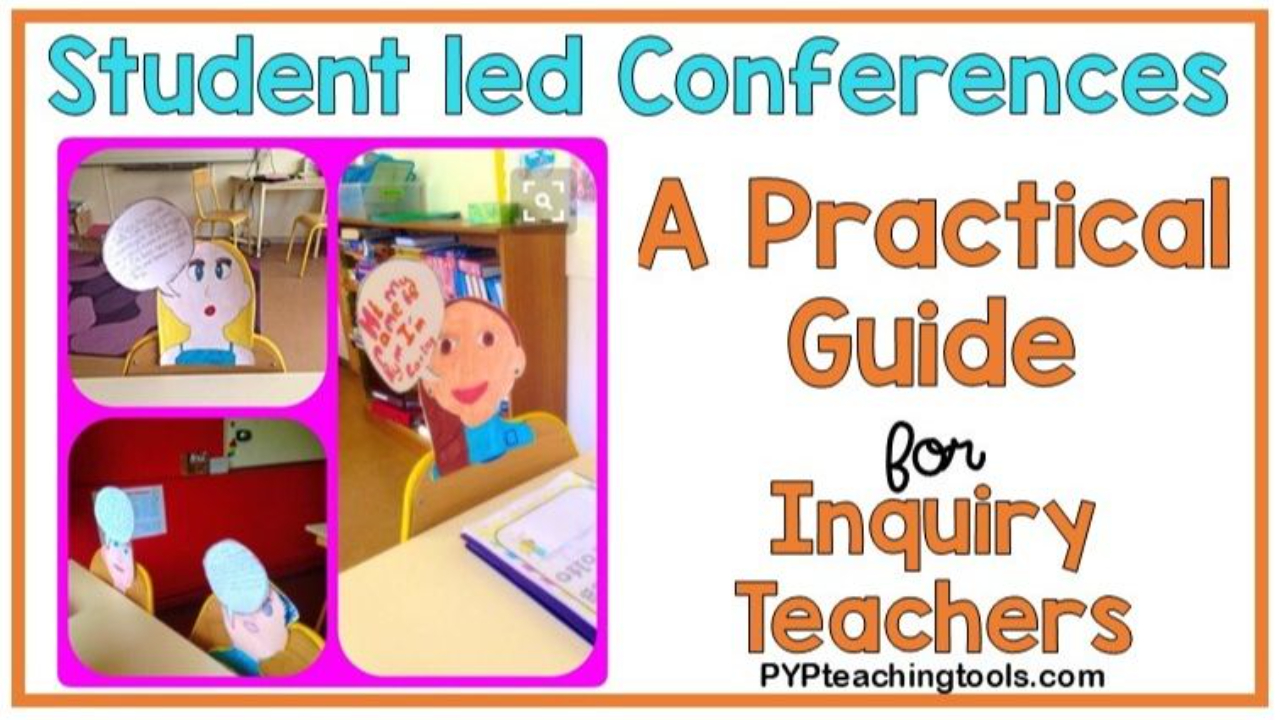
😊If you know, you know! Student-Led Conferences (SLCs) remain one of the most powerful celebrations of learning. When done well, they put students at the centre of their learning story, build reflection, communication and self-assessment skills, and strengthen the partnership between classroom and home. This updated guide for PYP teachers emphasises agency, co-planning, hands-on experiences and practical ideas you can use in your classroom... and even extend into family learning experiences.
What Makes a Powerful PYP SLC?
An IB PYP student-led conference shifts the traditional teacher-centred format into a learner-centred dialogue. The student:
-
Guides the conversation about their learning journey and goals.
-
Uses evidence from their portfolio to show concepts, progress, and questions.
-
Reflects on how they learn as much as what they learn.
The teacher’s role is to facilitate preparation, support reflection, and create the conditions for student voice and choice. Families become active partners, not just observers, in the learning conversation.
Planning with Students = Agency in Action
A core principle in the PYP is to plan with students. Rather than a rigid agenda or script, consider starting with semi-structured learning pathways:
-
Brainstorm with students what success looks like for the SLC.
-
Co-design questions, stations, or activities that reflect Learner Profile attributes and Approaches to Learning (ATL) skills.
-
Let students take the lead in organising displays, choice of artefacts, and the flow of their conference.
-
Practice, rehearse and refine but keep space for authentic questions and curiosity.
This process itself becomes a learning experience about planning, communication and self-direction.
Classroom & Family-Friendly Activities to Invite Dialogue
Here are three guided, hands-on ways to make your SLCs engaging whether families are on campus or learning together at home:
🌟 1. Reflective Learning Stations
Set up stations around the room that each focus on a big idea — like Learner Profile attributes, Key Concepts, or ATL skills.
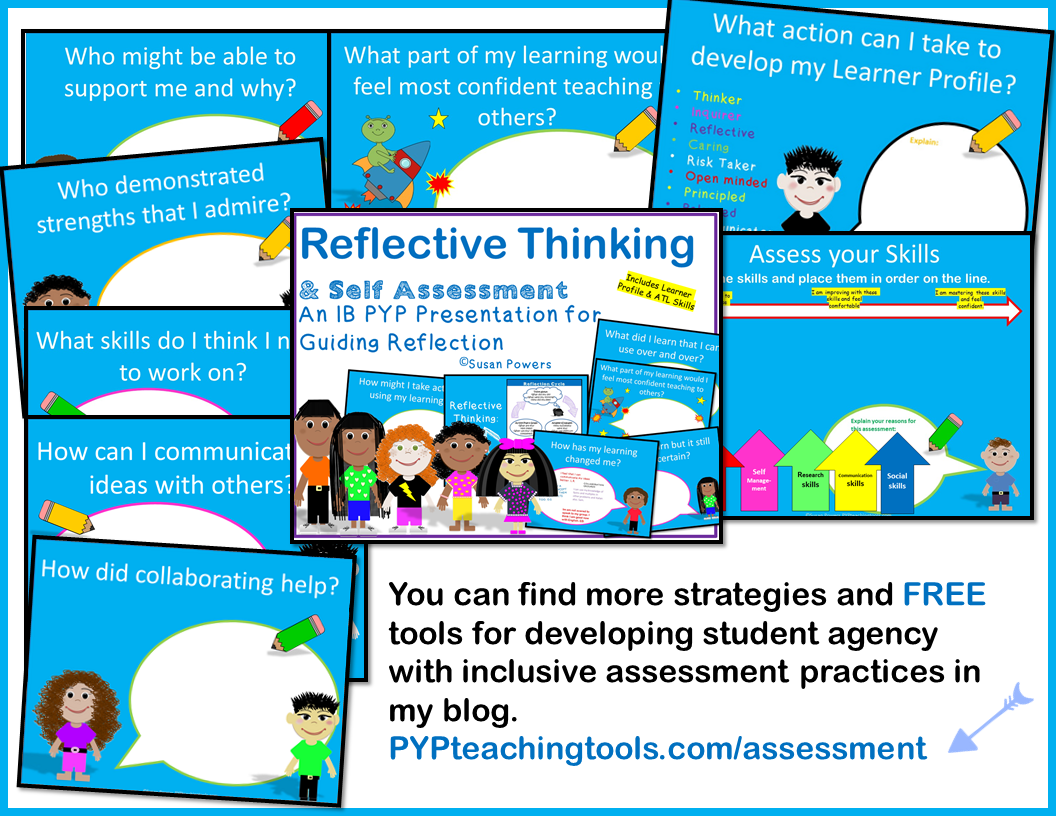
👉 Use resources like this guided reflection to support children as they reflect and assess in preparation for their conference -Learner Profile Guided Reflection and Self Assessment and IB PYP Specified Concepts Task Cards for Math - there's a set for ALL ages and these are amazing for sparking students thinking and discussion with families.
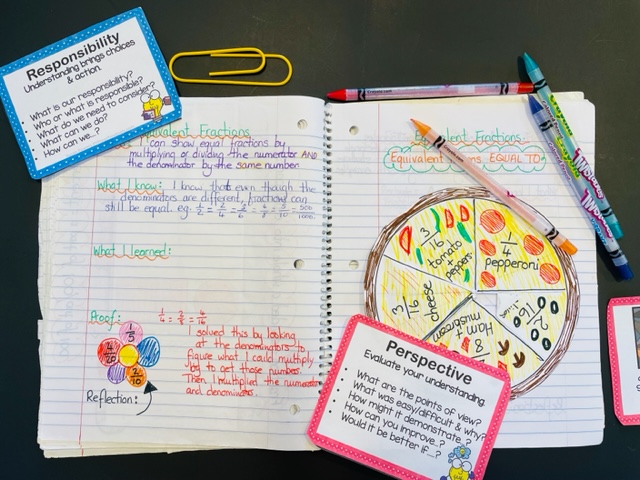
How it works:
-
Students lead parents through stations representing different aspects of their learning.
-
At each station, learners explain a piece of work, answer guiding questions, or share a reflection prompt they helped design.
-
Include challenge tasks, puzzles, or task cards where families can collaborate and try out thinking routines together.
Why it’s powerful:
It turns the conference into a conversation and co-inquiry, not just a presentation and families of all ages can take part in the exploration.
2. Learner Profile Gallery Walk + Graffiti Wall Feedback
Transform your classroom or common area into a gallery of student reflections.
Each student displays an artefact, self-portrait, or reflection about how they’ve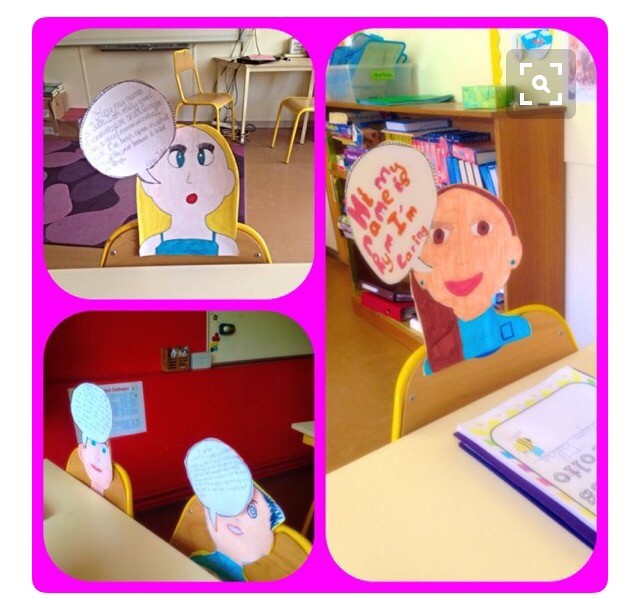 demonstrated one or more Learner Profile attributes throughout the year.
Add a “Graffiti Wall”:
-
Provide sticky notes or colourful pens.
-
Invite parents/carers and peers to leave comments like “I saw evidence of…”, “This made me think…”, “A question I have for you is…”
-
Students then read, organise and reflect on the feedback post-conference.
This becomes a visible, dynamic record of community learning and invites feedback in a child-friendly, interactive way — far more engaging than a traditional comment slot.
🔬 3. Family-Inquiry Challenge- Collaborative Hands-On Tasks
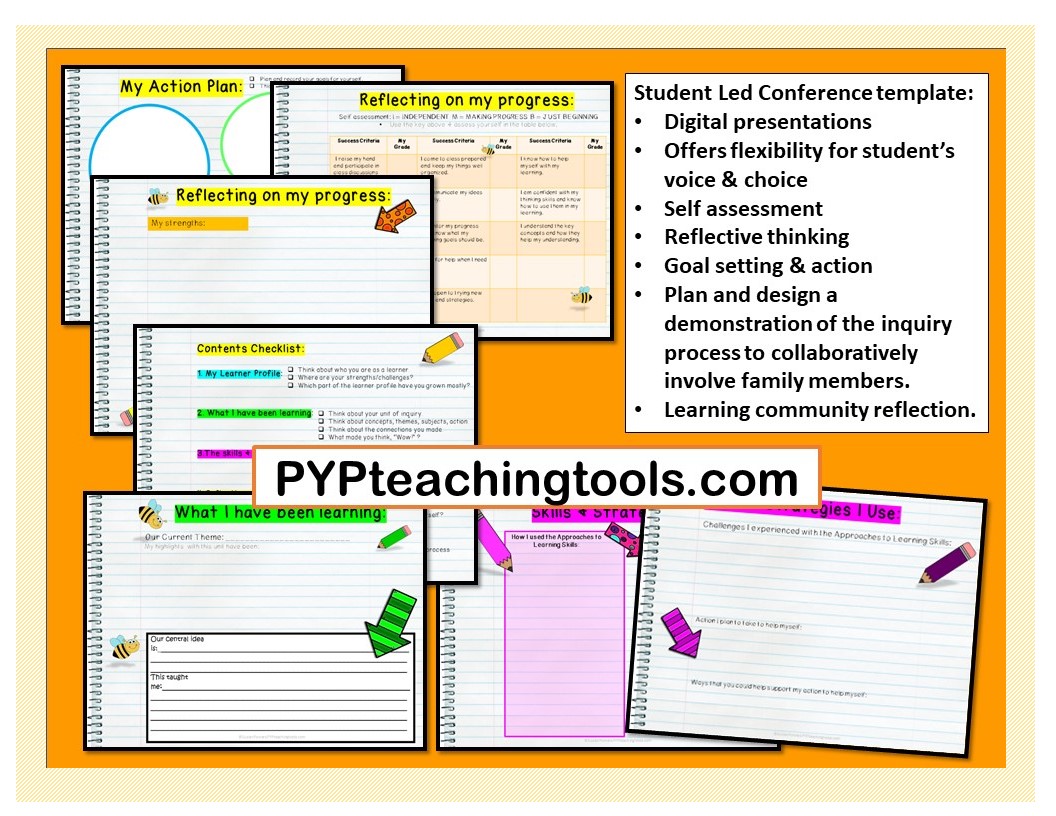
Create a short, inquiry-based challenge that students can complete with parents or caregivers during the conference session itself. These tasks can be academic, social, or reflective and they’re designed around open-ended questions and transdisciplinary thinking. Within the complete student led conference kit, I've provided several family friendly learning experiences that engage and explore the ATL skills through concepts.
Ideas include:
-
A research station that invites families to investigate a question about the current unit theme.
-
A math thinking task using key concepts cards (e.g., how might we apply ‘connection’ in a real-world problem?).
-
A creative builder challenge where families construct or design a response to a provocation and then discuss how they approached problem-solving together.
Key point:
These activities are not assessment tasks in the old sense but rather they are collaborative experiences that showcase learning in action, build understanding of inquiry, and reinforce how families can extend learning beyond the school walls.
Student Portfolios & Reflection Tools
Make portfolios purposeful.
Students should select artefacts that show learning across subjects and concepts, reflect on them, and tie them back to Learner Profile attributes and ATL skills as part of the conference.
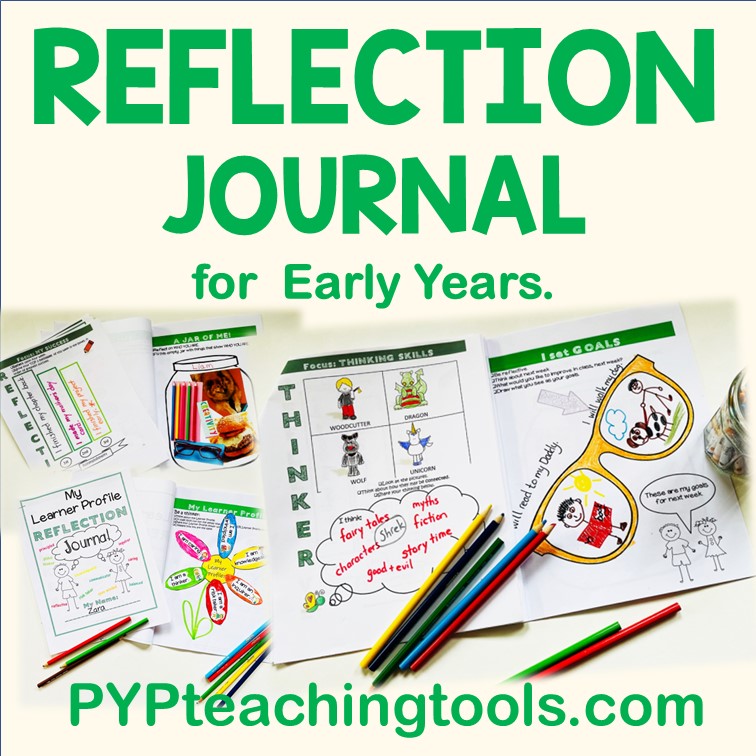
Use reflection tools like guided slides or task cards to help students think deeply about:
-
What they’re proud of
-
What challenged them
-
What they’ll try next
-
How they learn best
Portfolios become not just storage of work but a narrative of growth.
Tips for a Smooth Student-Led Conference Day
-
Rehearse with students: practice pacing, explanations, and prompts.
-
Create clear signage and paths if you’re running stations.
-
Encourage quiet moments for reflection so students can gather thoughts from consultations with families.
-
Make space and time for parents/carers to offer feedback and ensure students have tools (e.g., sticky notes, journals or digital entries) to capture that feedback.
Final Thoughts
The heart of an IB PYP student-led conference isn’t a checklist but rather it’s a culture of learner voice, agency, reflection and community engagement. When you co-plan the experience with students, design collaborative activities, and invite families to participate in meaningful ways, you build lifelong skills for learners and deeper understanding and connection for families.
Let your next SLC be a joyful, reflective celebration where students not only demonstrate what they know but how they learn and grow.
Enjoy!

P.S. Did you know you can receive an ALL ACCESS PASS worth £8 every single month PLUS classroom resources PLUS bite sized professional learning in our annual members' community? Take a look here for more information.
