
Planning an IB PYP Who We Are Inquiry: What Concepts Live Here?
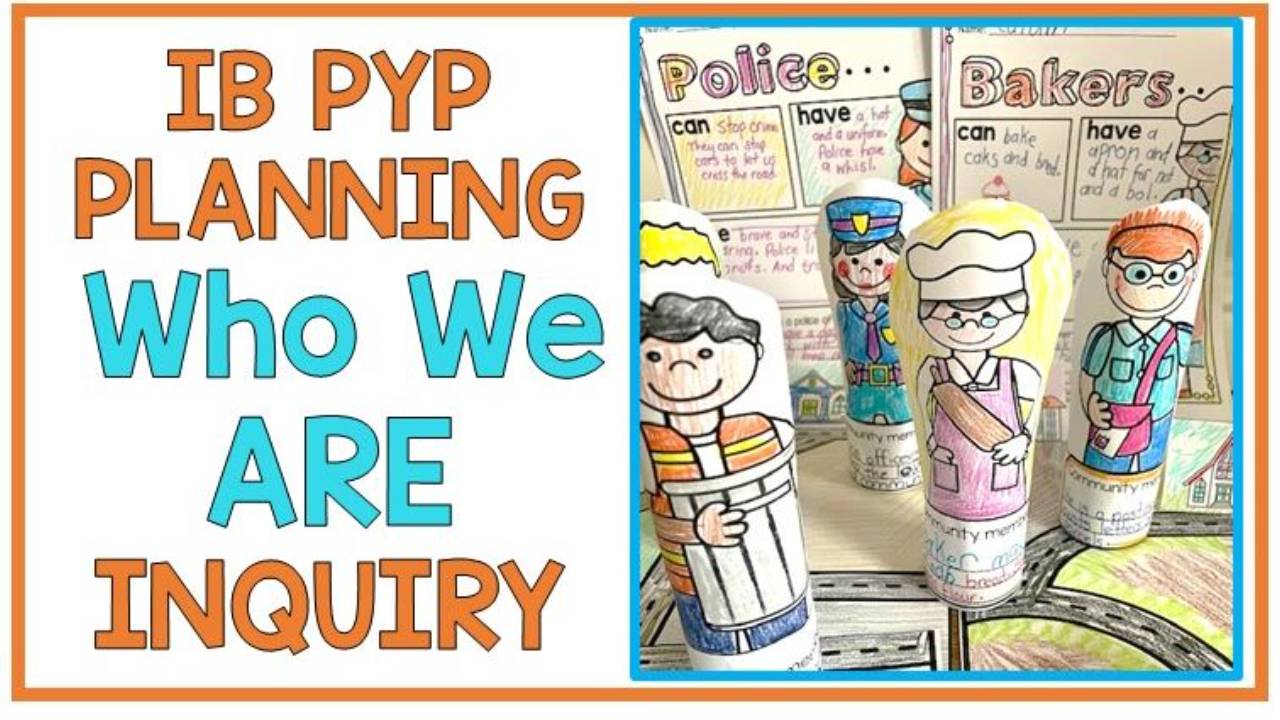
Is human body science still an IB PYP Who We Are unit under the IB's refreshed transdisciplinary themes and how does a kindergarten community project fit under the very same theme as a grade 5 unit on beliefs and values?
Short answer: all of it fits, and it isn't a coincidence. Who We Are's updated descriptor names three strands: physical, emotional, social and spiritual health and well-being; relationships and belonging; and learning and growing all pointing back to one idea: identity. Body systems, community, belief .... they're three doors into the same room. (Full adoption of the refreshed descriptors runs through September 2027, so if your school hasn't formally moved over, it's worth a quick check with your PYP coordinator.)
But that raises the real question underneath all of this: if the content is completely different from one Who We Are unit to the next, what actually makes it recognisably the same theme?
Not the content. The concepts.
Content Is the Vehicle, Not the Destination
It's tempting to plan a unit by starting with what you'll teach; human body, or community helpers, or world religions and hoping the conceptual understanding shows up somewhere along the way. Concept-based inquiry works in the opposite order: we start with the big ideas we want students to understand, and only then ask what content will actually serve those ideas.
That single shift, content as the vehicle, not the destination, is what lets a K-2 classroom and a grade 5 classroom teach wildly different material and still both be doing genuine Who We Are inquiry.
Concepts, Tools, Experience: How It Actually Comes Together
Three things have to work together for that shift to hold up in a real classroom, not just on a planner:
Concepts frame what students are understanding, the specified and other concepts (additional concepts) you've chosen for the unit.
Tools & materials are how students build the skills to get there; the hands-on resources, research prompts, and activities that make the thinking visible. Experience is what students actually do with it ;the participation, collaboration, and skill-building that happens in real contexts.
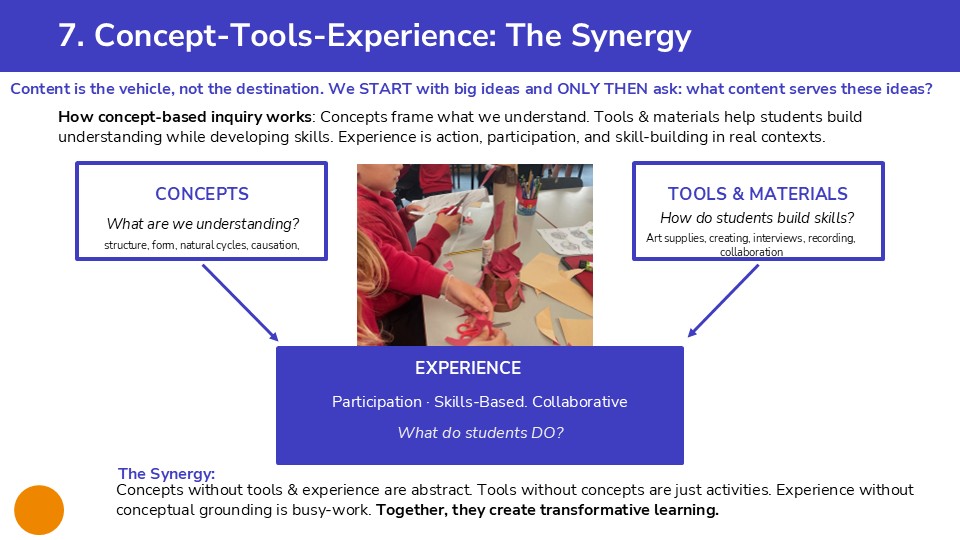
Concepts without tools and experience stay abstract. Tools without concepts are just activities dressed up as inquiry. Experience without conceptual grounding is busy-work with good intentions. Put together, they're what make a unit transformative rather than just occupied.
Here's what that actually looks like across two very different Who We Are units.
Two Units, One Thread: From Kindergarten to Grade 5
The Human Body
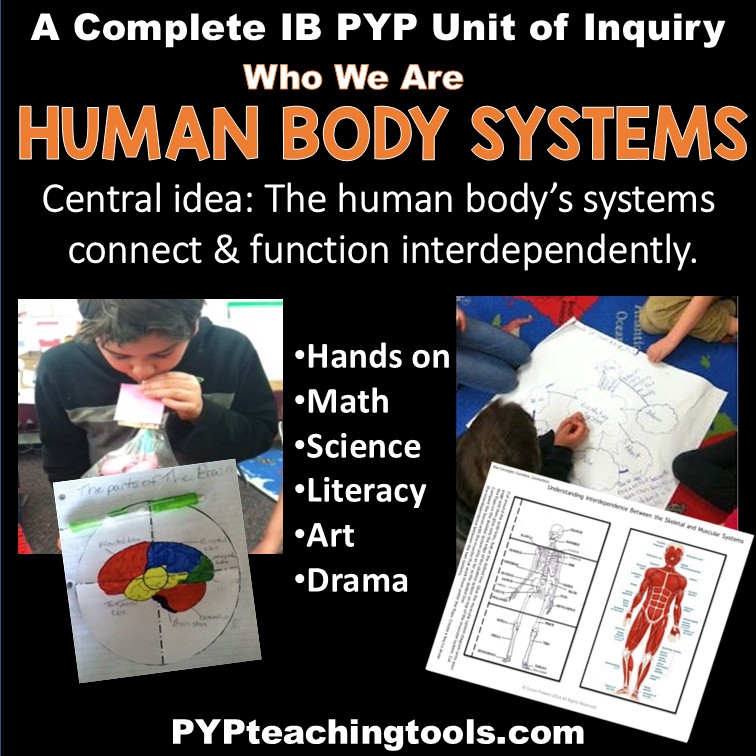
Concepts: systems, interdependence, form, function, and connection; how each body system is structured, what it does, and how systems depend on one another.
Tools & materials: interactive notebook tasks, hands-on investigative and collaborative experiments, and research challenges from my Human Body Science Unit of Inquiry: Who We Are built around the circulatory, respiratory, digestive, nervous, immune, skeletal and muscular systems.
Experience: students model systems, compare human systems to other organisms, and investigate interdependence, how those systems function together to maintain health.
Relationships & Community
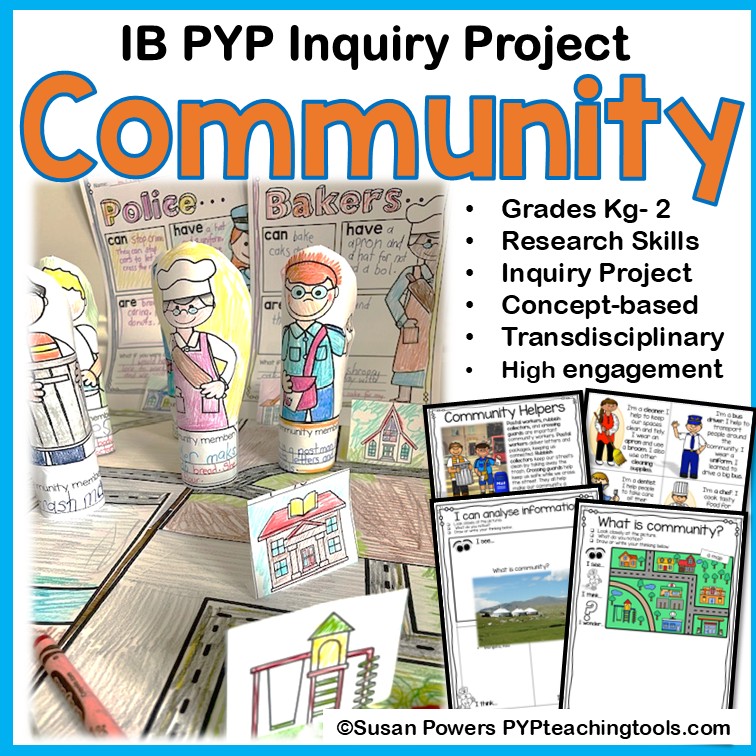
Concepts: community, relationships, belonging, connection, perspective, and responsibility how people relate to one another, and how that shapes behaviour, belonging, and community.
Tools & materials: this one spans the youngest learners through to upper primary. For K-2, Community & Relationships Inquiry: ATL Research Skills Project uses See-Think-Wonder routines, guided research, and a puppet-making community display to build research skills alongside the concept. For grades 3-5, Beliefs & Values: Who We Are moves the same thread forward through reflection, discussion, and provocation-based inquiry into how personal belief shapes community and society.
Experience: five-year-olds choosing a community to research and building a puppet show about it; ten-year-olds debating how a shared value shapes a group's choices. Different tasks entirely same conceptual thread running underneath.
That's the part worth sitting with: strip the content away from either fold, and both are asking a version of the same question- how do I understand myself, and how do I relate to others? One answers it through the body. The other answers it through community and belief. Concepts are what give that content its context, without them, a body systems unit and a puppet-making project have nothing in common. With them, they're both unmistakably Who We Are.
Where This Actually Starts
The starting point is the same for every unit, regardless of the theme or the grade band: look at the terrain , the theme itself and ask what concepts live here? Then narrow to the specified concept that takes the inquiry somewhere deep, rather than wide and shallow.
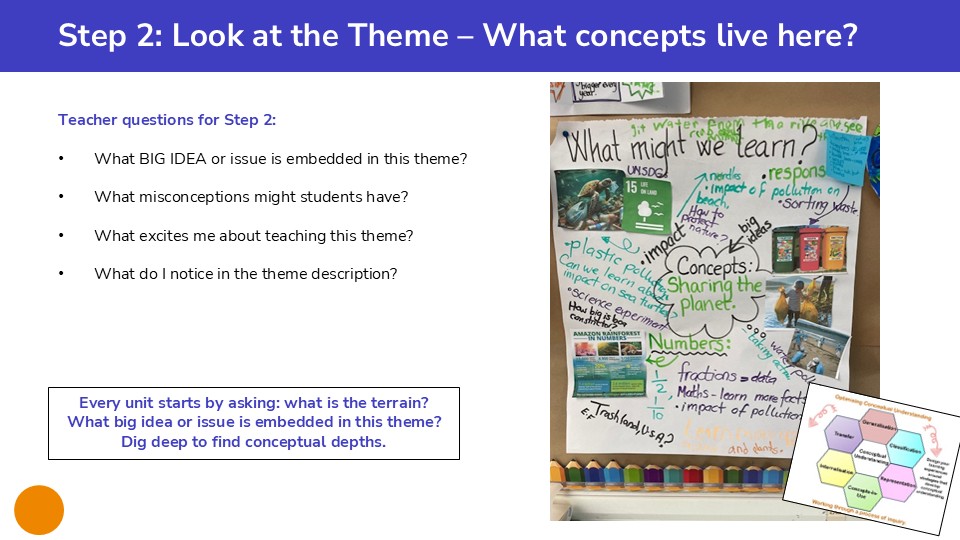
That's steps one through three of a simple process I use for every unit I plan. What comes after, turning that into a central idea, mapping the inquiry pathways, choosing the skills the unit genuinely demands, and only then deciding on content is the part most planning meetings run out of time for.
I laid the whole thing out, step by step, with a one-page template, in a free toolkit:
→ Get the free Plan the Inquiry toolkit here
Three Done-for-You Resources for These Two Units
If you're planning towards either of these folds and want the hands-on experiences already built:
- Human Body Science Unit of Inquiry: Who We Are
- Community & Relationships Inquiry: ATL Research Skills Project (K-2)
- Beliefs & Values: Who We Are (Grades 3-5)
None of them replace your planning, they're a bank of tools and experience to draw from once you know which concepts are driving the unit. That's the order that makes concept-based inquiry actually work: concepts first, so the content has somewhere to go. Take a look at the entire Who We Are collection of units of inquiry here.
These resources and many more are all available in your personal resource library in the annual PYP Teaching Tools membership. At your fingertips and ready to go!
Be inspired. Be confident. Be ready! Take a look at the membership here.
👉EXPLORE THE ANNUAL MEMBERSHIP
Enjoy!
Susan
