
Welcome to PYPteachingtools.com
The IB PYP Teacher's Guide to Formative Assessment for Conceptual Understanding
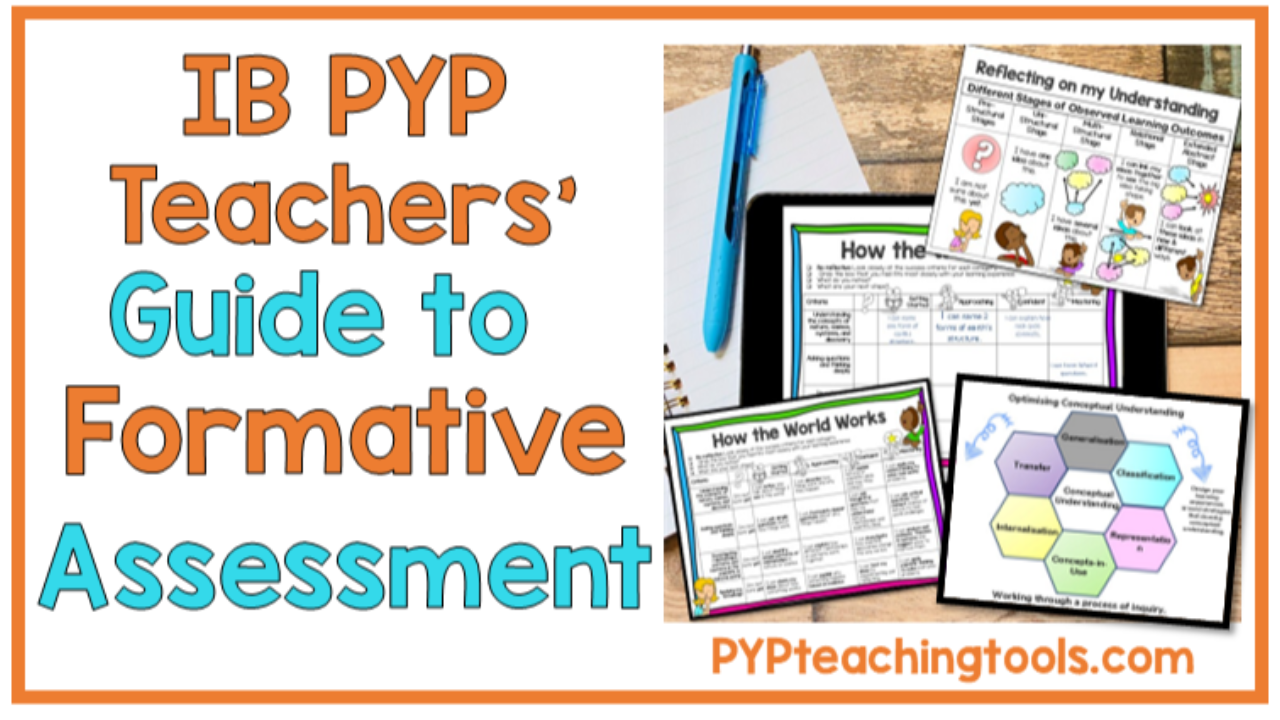
Hello again, fellow PYP teachers!
Formative assessment for conceptual understanding is a different job than formative assessment for facts. You're not just checking whether a student remembers something. You're trying to see whether they can hold onto an idea, connect it to something else, and use it somewhere new. That takes the right tools, used often and lightly, not one big test at the end.
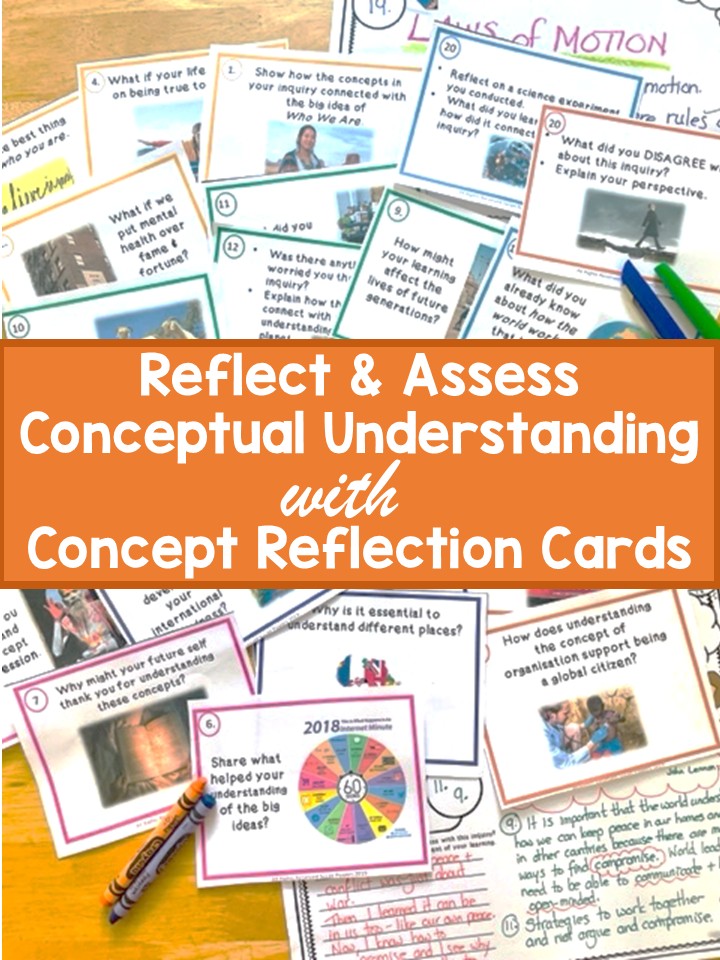
Here's how I build formative assessment for concepts into my week, not just my unit.
Keep It Small and Frequent
A five minute check at the end of a lesson tells you more than a twenty minute test at the end of a unit. Small, frequent checks let you adjust your teaching in real time, while there's still time to adjust it. And this is how these concept reflection task cards came about.
I created these for our unit of inquiry as a quick reflection to be used largely as part of a THINK-PAIR-SHARE strategy. But we also used them in circle time at the end of the day as a casual chat together. ...
IB PYP Training for You: Discover the Essentials for Inquiry
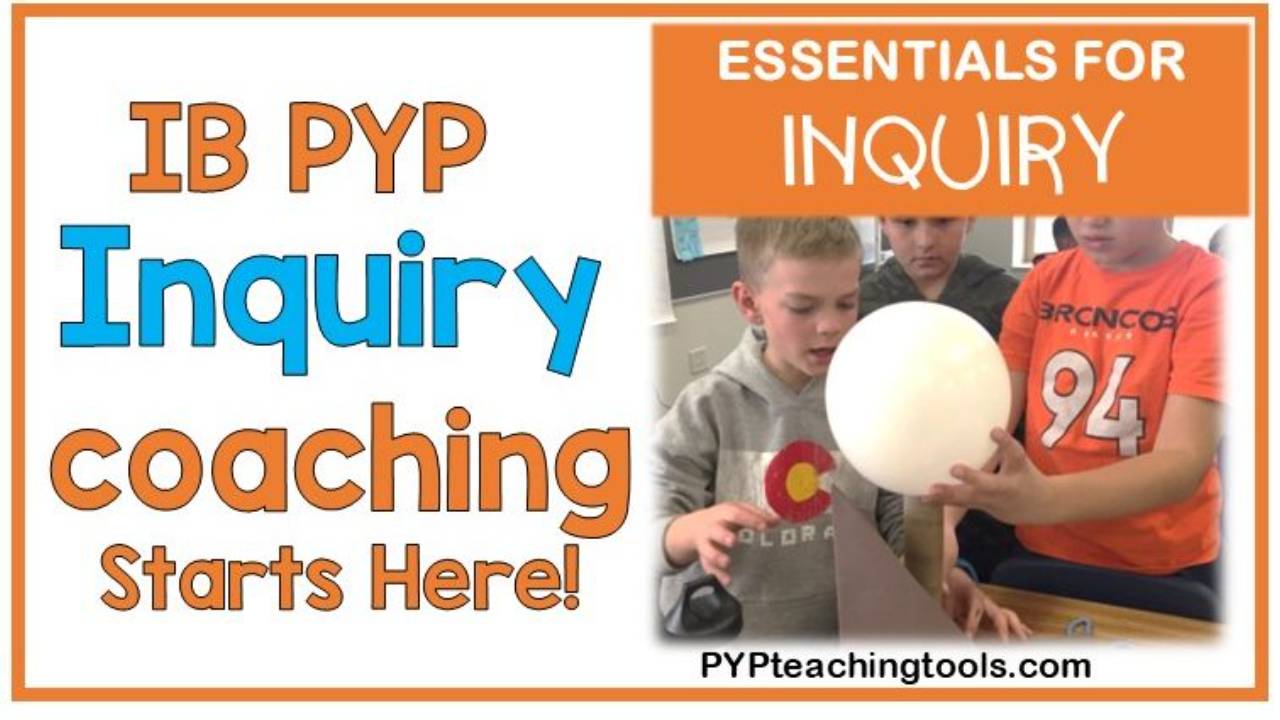
If you're an IB PYP teacher or leader and you've been waiting for practical, classroom-ready support with planning and understanding concept-based inquiry, this is for you. I am so excited to be able to bring you professional coaching that is accessible, visible and grounded in real-classroom strategies. No fluff - just practical ideas for ALL age levels. And each for only £27! These are the essentials for inquiry.
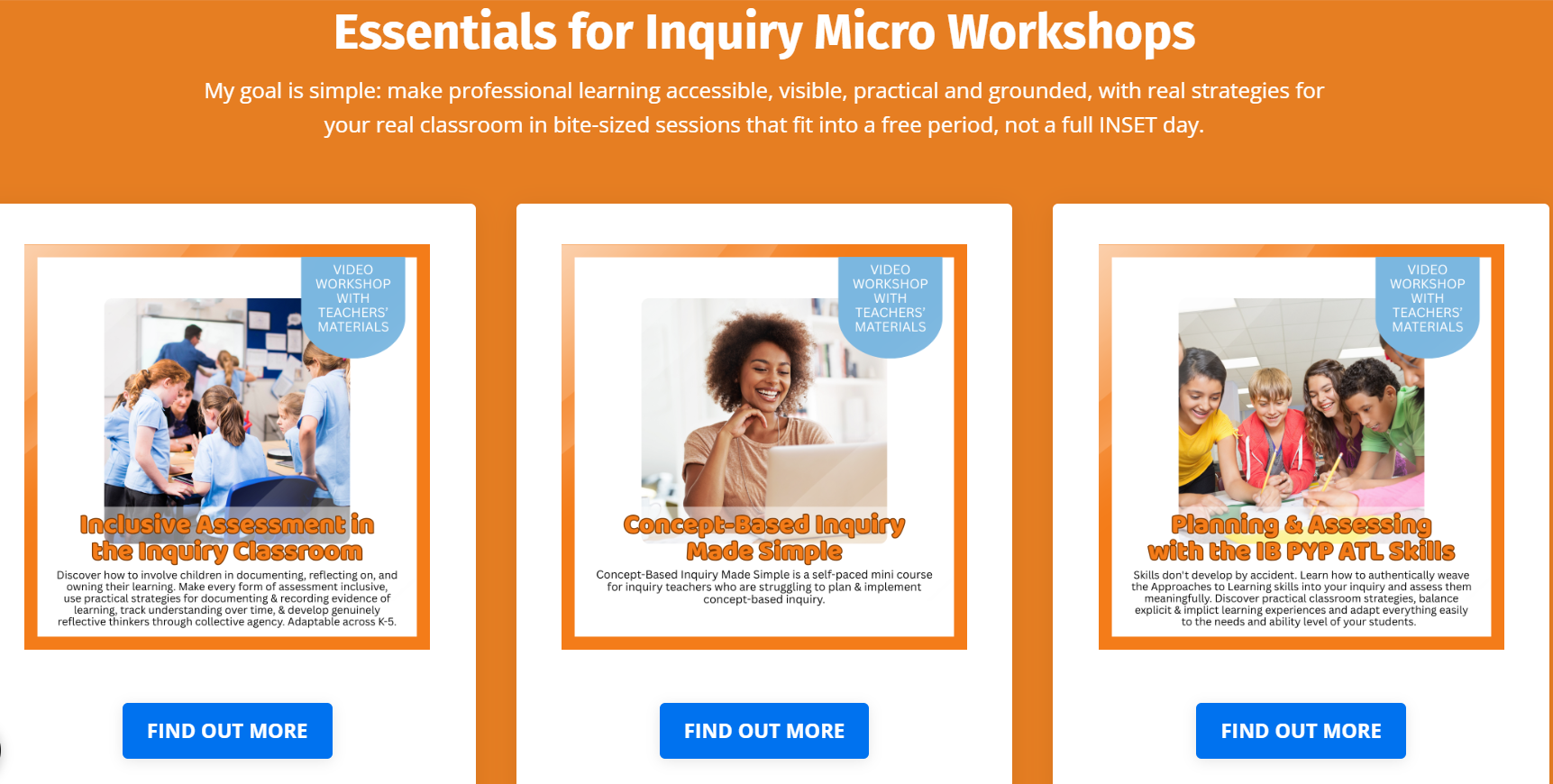
These micro workshops are now live inside PYPteachingtools.com, each one built to solve a specific problem PYP teachers tell me about again and again.
After 25 years working in the classroom with the IB PYP in 6 different countries, and the last 5 years as a curriculum developer in collaboration with Oxford University Press and in cooperation with the IB, I am very familiar with what teachers want and need to feel inspired, confident and ready. These micro workshops are designed by this PYP teacher, with classroom strategies for PYP students to optimise concept-based in...
Planning Your First Unit of Inquiry: Where to Start in the IB PYP
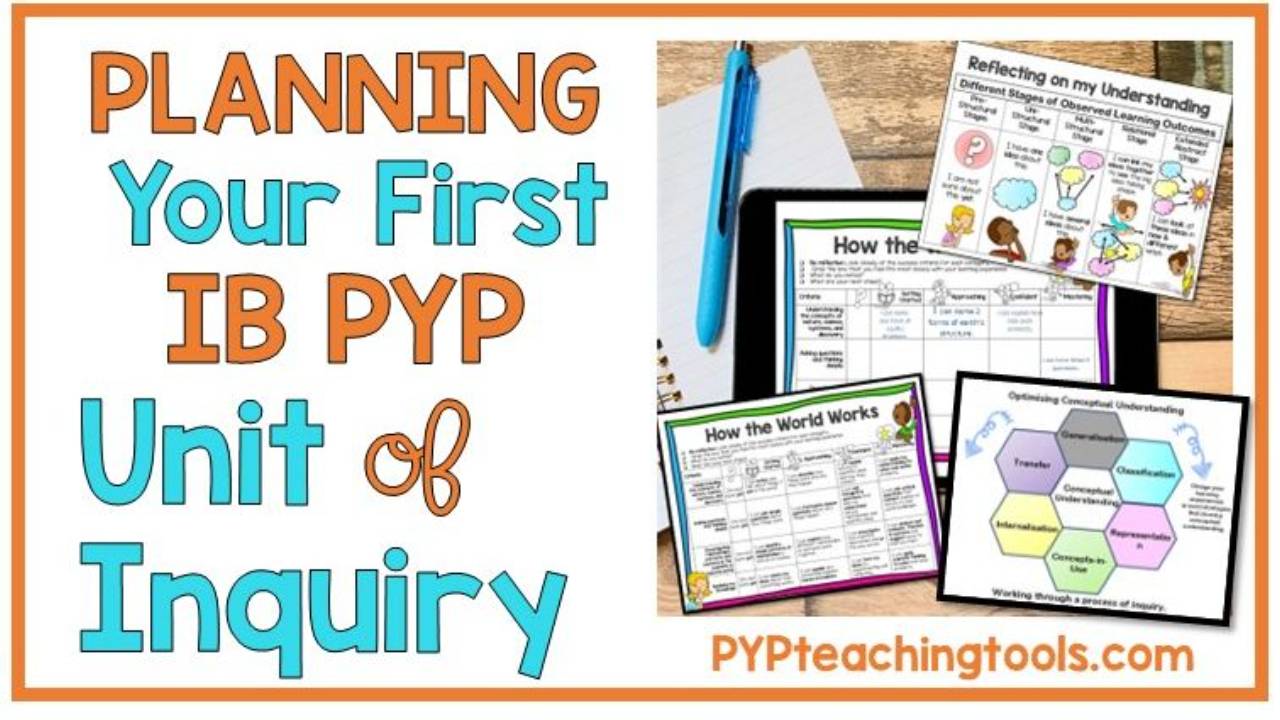
Back to school in your IB PYP class is well and truly over. The settling-in weeks are behind you. Routines are running, names are sticking, the classroom finally feels like yours. And now the real planning pressure lands: your first proper unit of inquiry of the year.
It's a strange kind of hard. You've done this before, plenty of times. But not with this group, not yet knowing what makes them curious, what derails them, what they'll push back on. There's no "last year's version" of this unit to lean on, because last year's version was built for different children and the reflections came from those children.
That's why the first unit of the year is so often the one that eats the most planning time, for the least confidence in the result.
Why the First Unit Is the Hardest One to Plan
A few reasons this one is different from every unit that follows it:
- You're choosing concepts for a class you're still getting to know; there's no muscle memory with this group yet.
- How well verse ...
5 Signs Your IB PYP Students Are Becoming True Concept Seekers (Not Just Topic Learners)
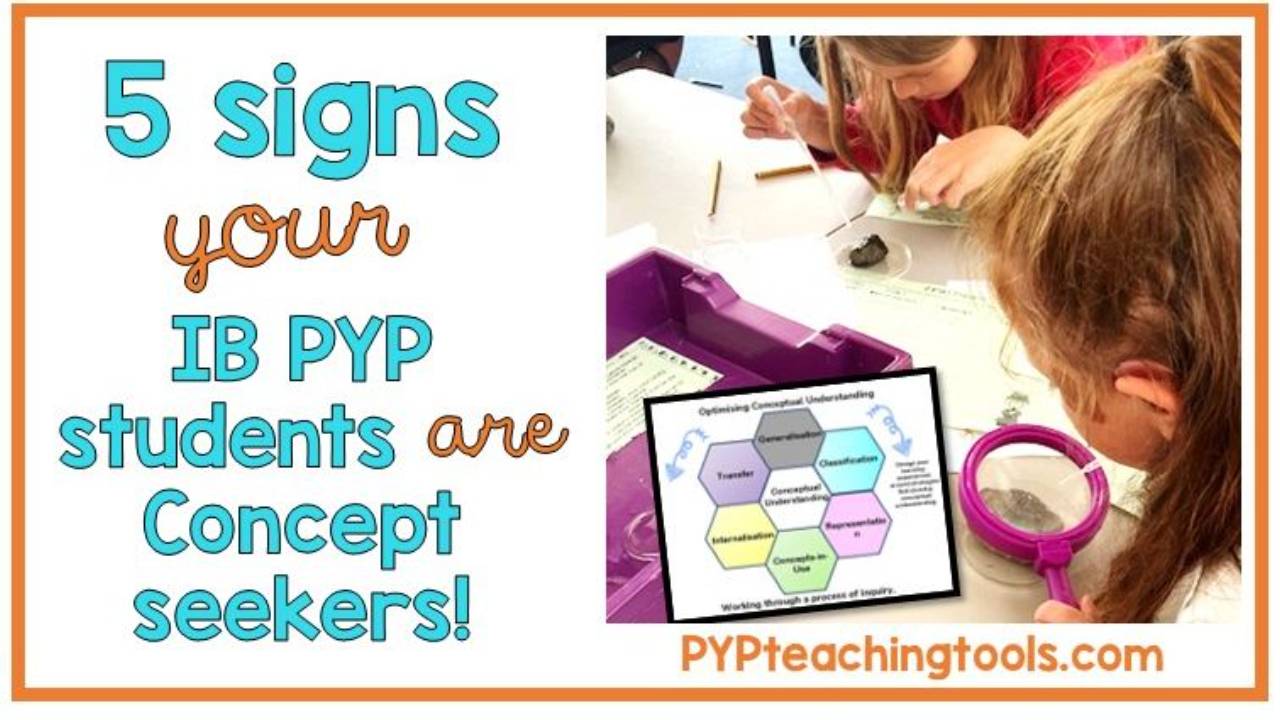
Hello again, fellow inquiry teachers!
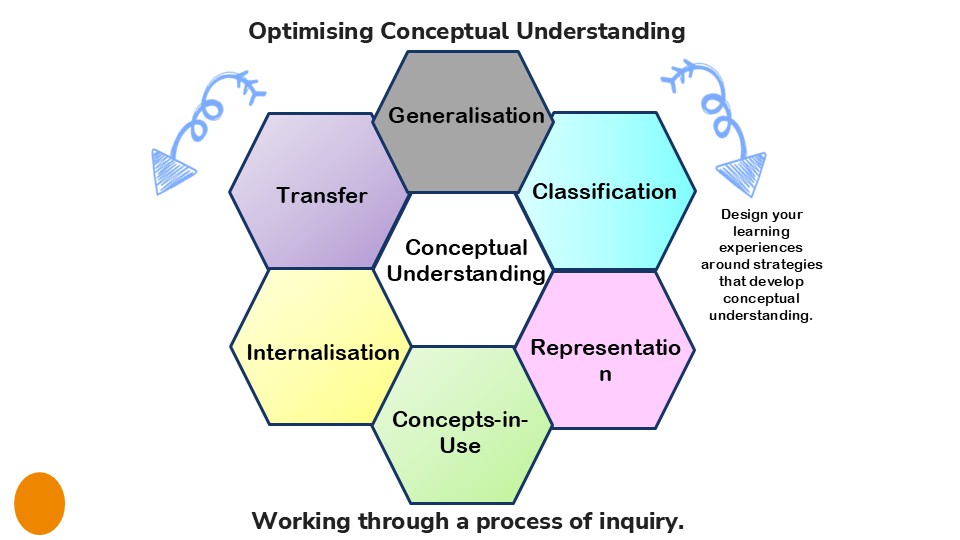
There's a moment in every unit when you can feel the shift. Your students stop reciting facts about the topic and start reaching for the concept underneath it. Know what I mean? It's one of my favourite things to watch happen in a classroom, and it's not always obvious unless you know what you're looking for.
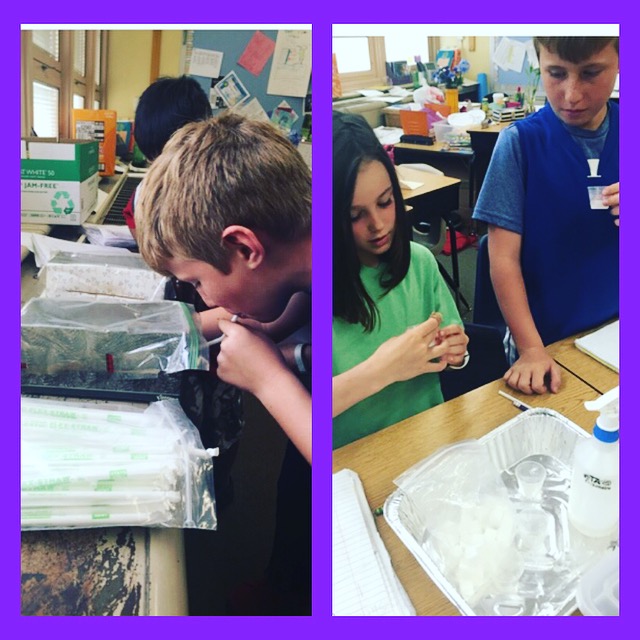
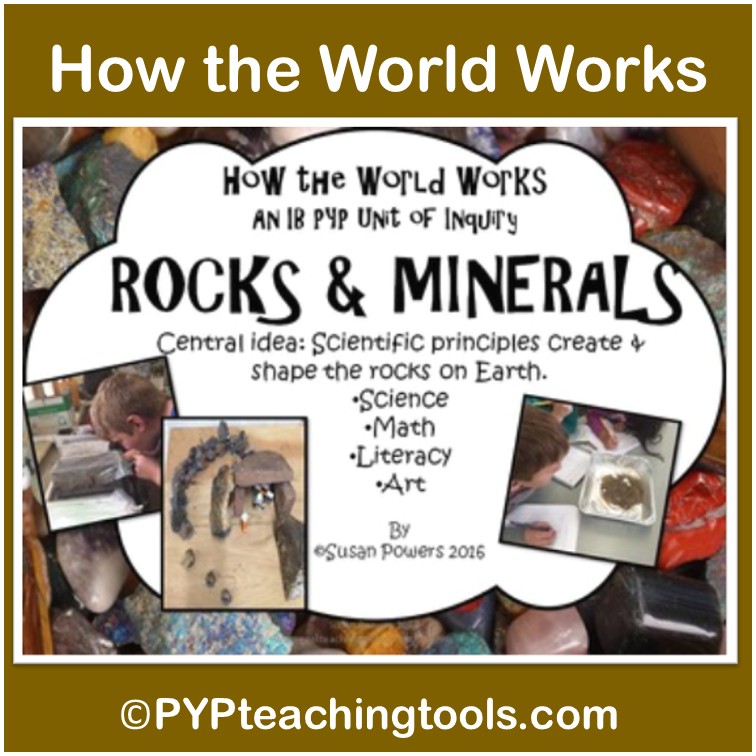
Making connections with concepts: form, causation, structure, change, impact all through the topic of rocks & minerals.
Here are five signs I watch for and they all connect with classroom strategies:
1. They Use the Word "Because" Without Being Asked
Topic learners tell you what happened. Concept seekers tell you why it happened, and connect it to something bigger, without you prompting them for the "because."😉
2. They Transfer the Idea to a Completely Different Context
A true sign of conceptual understanding is when a student takes an idea from your unit and applies it somewhere else, somewhere you never mentioned. That is tra...
Planning an IB PYP Who We Are Inquiry: What Concepts Live Here?
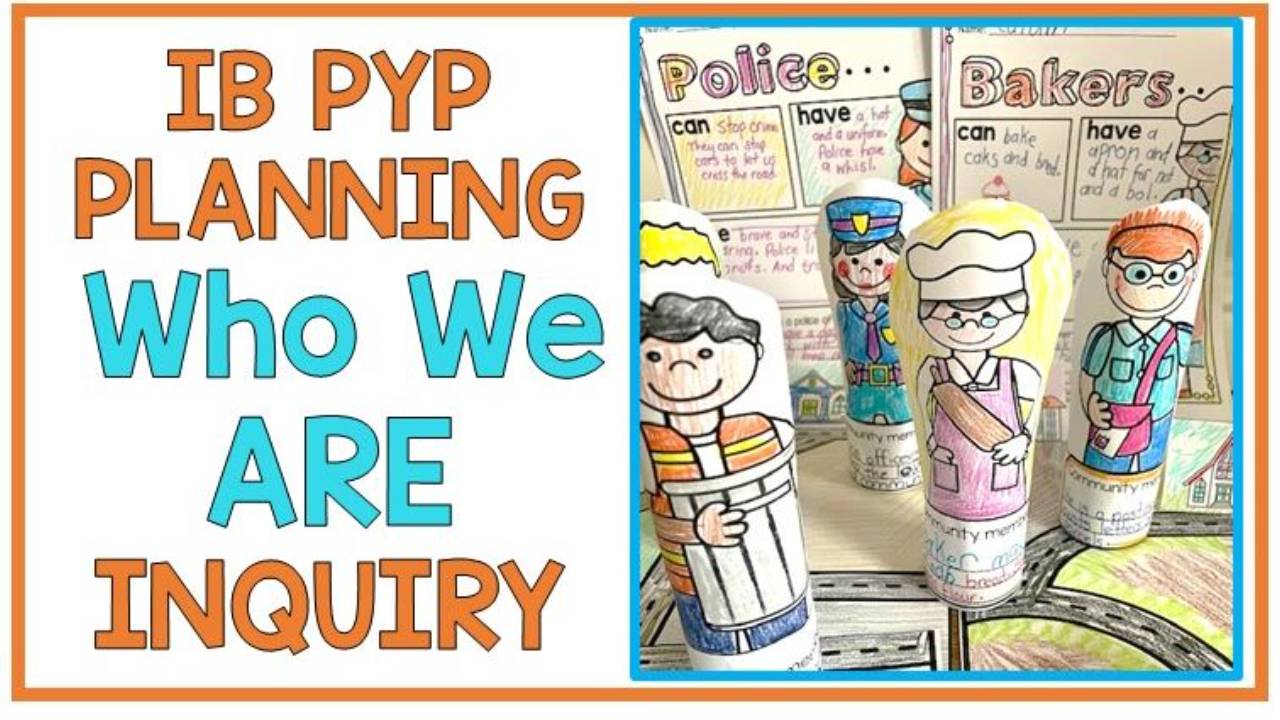
Is human body science still an IB PYP Who We Are unit under the IB's refreshed transdisciplinary themes and how does a kindergarten community project fit under the very same theme as a grade 5 unit on beliefs and values?
Short answer: all of it fits, and it isn't a coincidence. Who We Are's updated descriptor names three strands: physical, emotional, social and spiritual health and well-being; relationships and belonging; and learning and growing all pointing back to one idea: identity. Body systems, community, belief .... they're three doors into the same room. (Full adoption of the refreshed descriptors runs through September 2027, so if your school hasn't formally moved over, it's worth a quick check with your PYP coordinator.)
But that raises the real question underneath all of this: if the content is completely different from one Who We Are unit to the next, what actually makes it recognisably the same theme?
Not the content. The concepts.
Content Is the Vehicle, Not the Destinati...
Are You an IB PYP School? The Ultimate Inquiry Toolkit To Support You
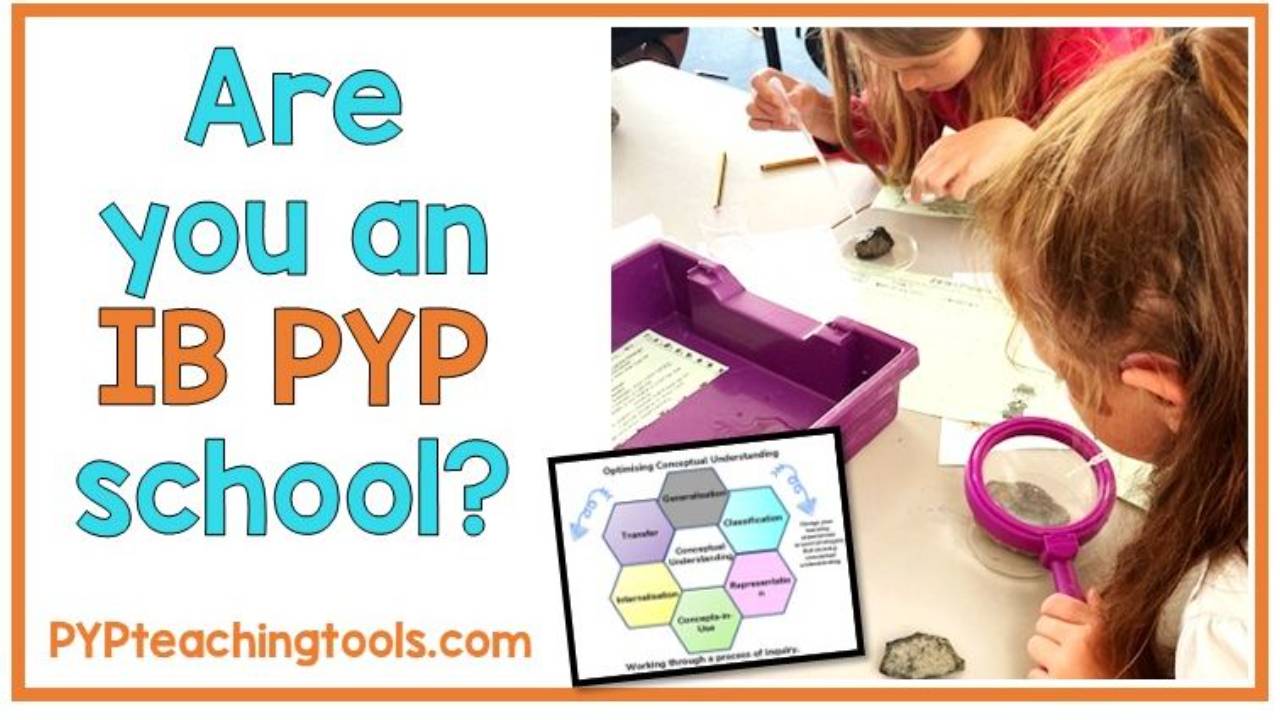
Are You a PYP School?
If you are opening a new PYP programme, welcoming a wave of new-to-PYP teachers this year, or simply looking for a complete resource to anchor your whole staff around concept-based inquiry, this one is for you.
Getting a school off to a strong start with the IB PYP takes more than good intentions. It takes a shared language for the concepts, a shared understanding of the Approaches to Learning skills, and practical, classroom-ready tools that every teacher, from Kindergarten through Grade 5, can pick up and use with confidence.
That is exactly why I built the Ultimate PYP Inquiry Toolkit Bundle.
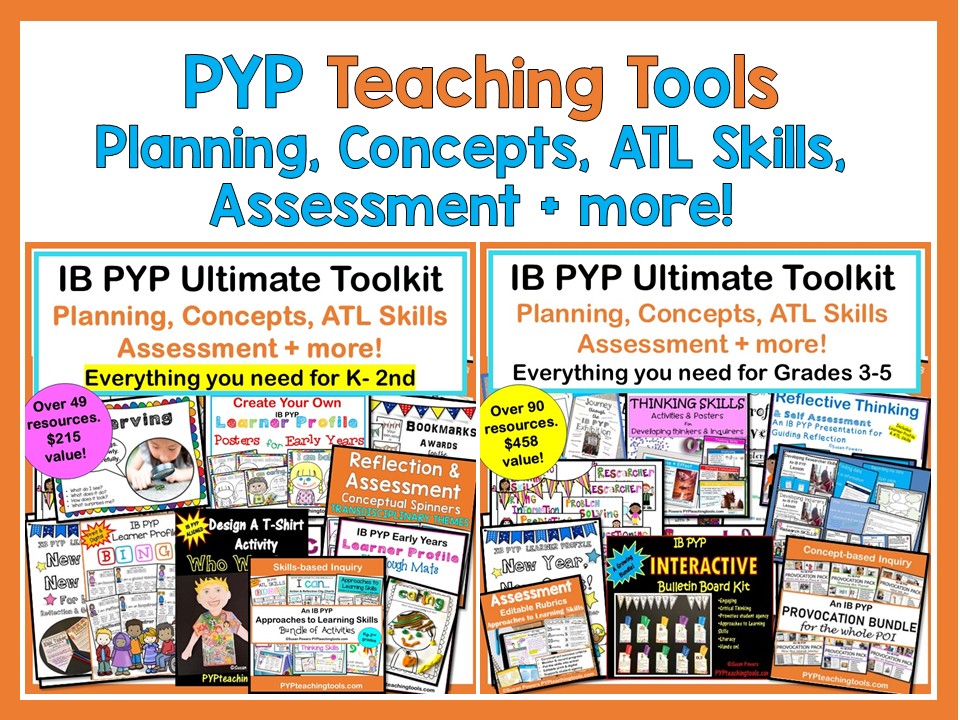
Toolkit Bundles , Whole School Support for Every Level
The bundles come in two complete sets, so every teacher across your school is supported at their own grade band:
- The K-2 IB PYP Inquiry Teaching Toolkit, with over 50 ready-to-use, practical resources built for your youngest inquirers.
- The Grades 3-5 IB PYP Inquiry Toolkit, with 104 hands-on, ready-to-go res...
Planning in the IB PYP How the World Works: What Concepts Live Here?
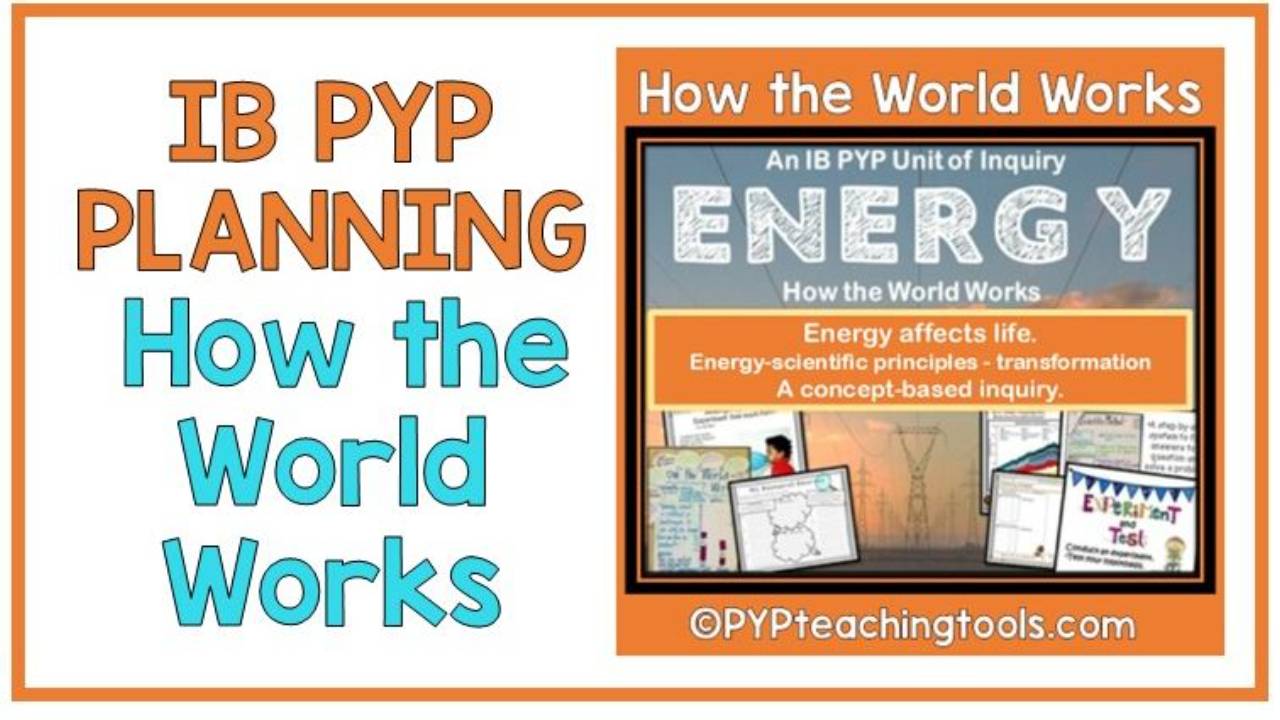
Every Unit of Inquiry starts somewhere. For most of us, it starts with content — forces, motion, machines, energy, structures, technology. We picture the activities first, then go hunting for resources, then try to squeeze it all into the planner.
Somewhere in that process, the inquiry itself can get lost.
I want to suggest a different starting point: start with the concepts. If inquiry is the journey, concepts are what propel it forward and that brings us to the single most useful question you can ask when planning a Unit of Inquiry:
What concepts live here?
Not just the specified concepts already sitting in the planner. What concepts actually live in this theme? That one question can change the way you plan every unit you teach and it's the starting point for a simple, repeatable 7-step pathway I use for concept-based planning, which I'll walk through below using a How the World Works unit on forces, motion and innovation as the example.
Planning the Inquiry, Not Perfecting the...
Using Exit Slips for Assessment with Conceptual Understanding in the IB PYP
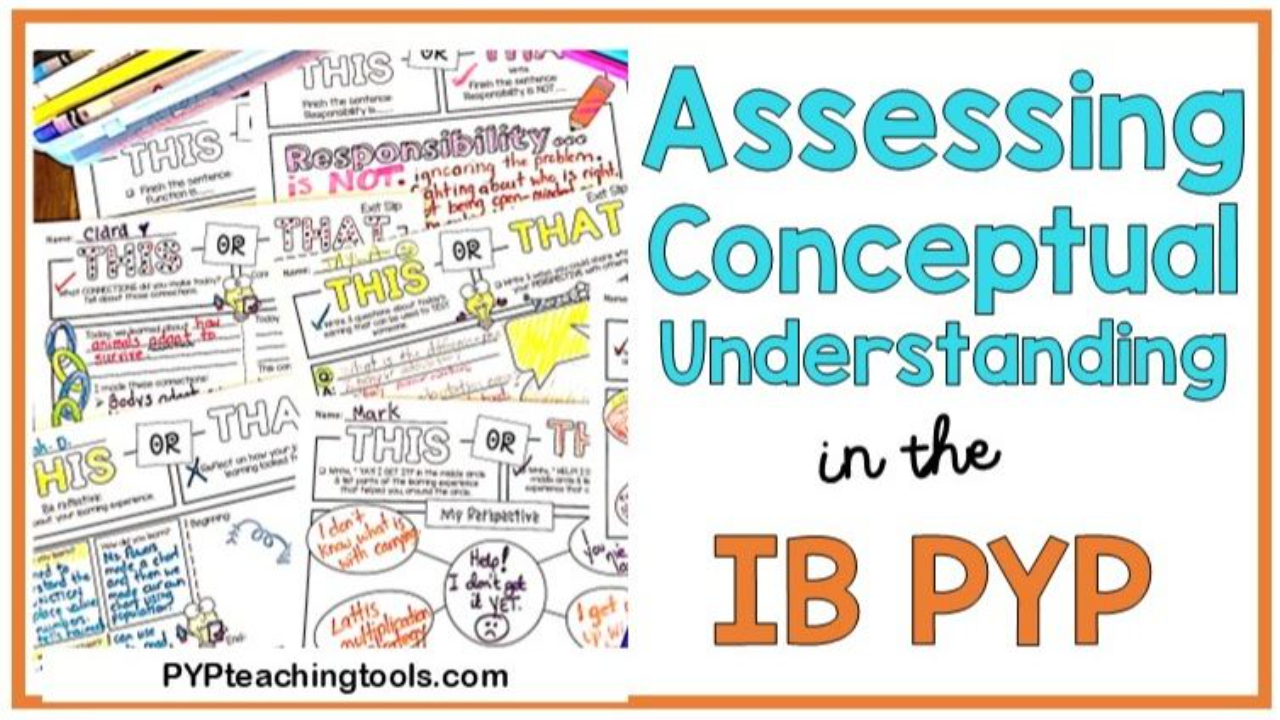
In the IB PYP classroom, we don’t assess learning at the end; we assess as learning happens. That means we need simple, consistent tools that show what students understand, how they are thinking, and where misconceptions are starting to form.
Exit slips are one of the most simple & effective formative assessment tools for this.😉
Used well, they give you immediate insight into:
- conceptual understanding
- student thinking and reasoning
- learning gaps and misconceptions
- next steps for teaching
But not all exit slips are equal.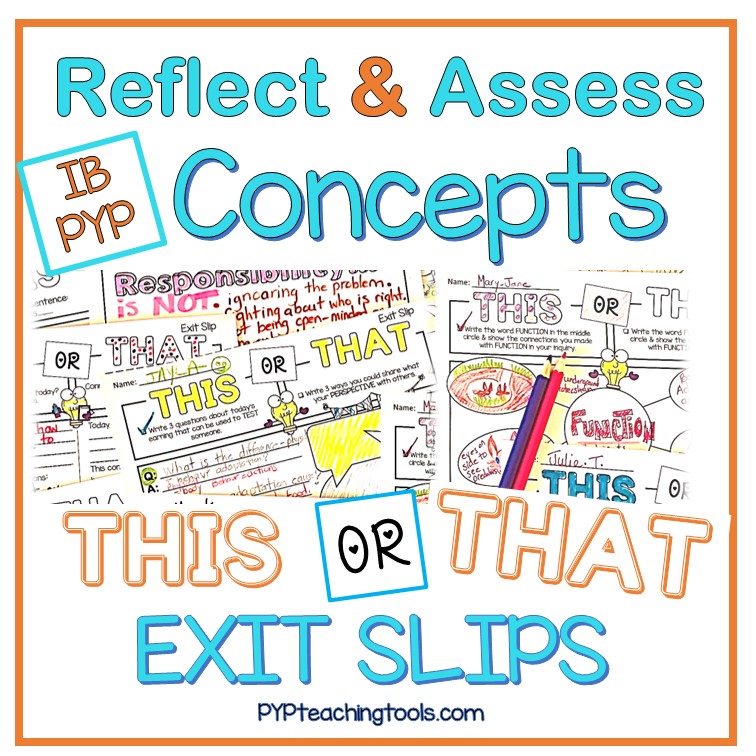
In this blog, I’m sharing how I use “This or That” Exit Slips to move beyond basic reflection and into meaningful conceptual assessment in IB PYP classrooms.
👉 If you want the practical classroom strategies, skip ahead to the sections below on Maths, Literacy, and Units of Inquiry.
You can also access the full ready-to-use resource here:
https://www.teacherspayteachers.com/Product/IB-PYP-Assessment-Concepts-This-or-That-Exit-Slips-12076610
Why Exit Sl...
Reading Skills in the IB PYP with Daily Quotes Provocations
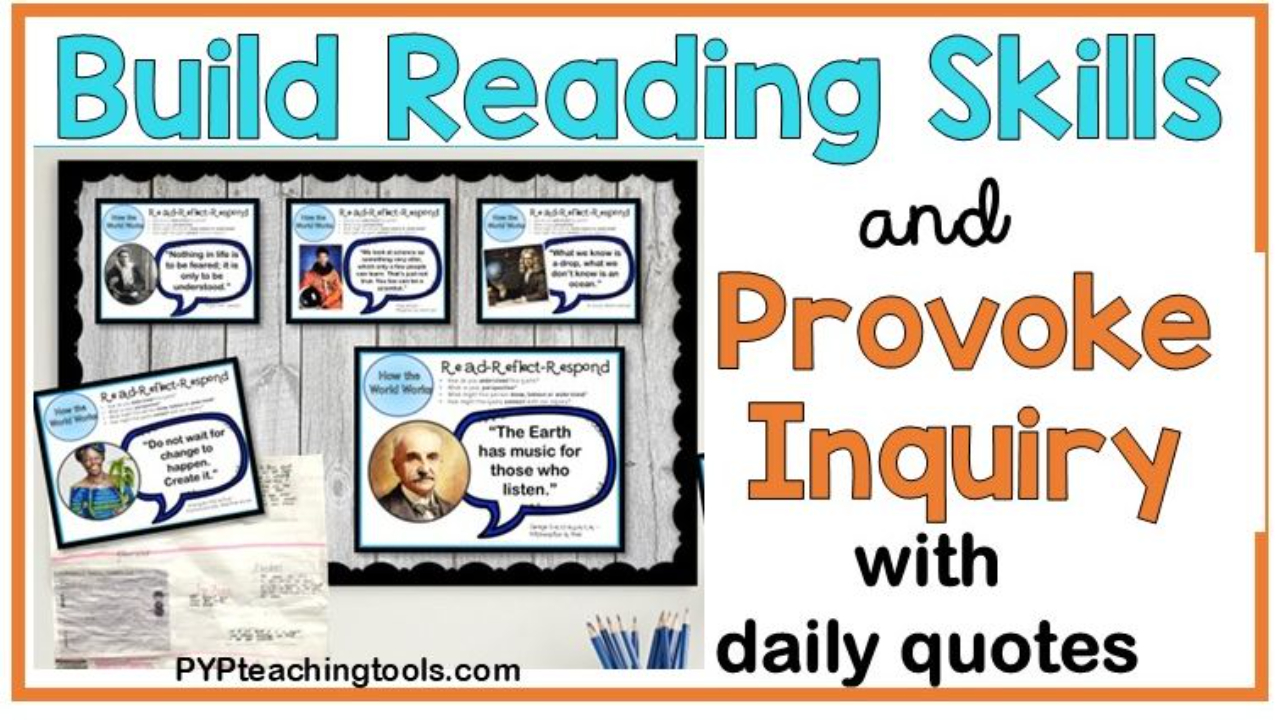
In our IB PYP classroom, literacy should do more than teach children to read words, it should help them read the world. One of the most powerful shifts I made in my classroom was introducing daily quote provocations that connected directly to our Programme of Inquiry. Daily quote provocations transformed our literacy from a subject into a thinking practice. These short but powerful texts became a bridge between reading skills, thinking skills, and concept-based learning across all six IB PYP transdisciplinary themes.
Using carefully selected quotes from artists, scientists, leaders, writers, historical figures, and even fictional characters, students engaged in a daily routine of Read – Reflect – Respond. What began as a warm-up quickly became one of the most meaningful literacy practices in our classroom.
Why Quotes Are Powerful for Reading Development
Short texts like quotes are deceptively rich. Because they are brief, students can focus their cognitive energy on deep thinking ra...
3 Powerful Ways to Teach the UN Sustainable Development Goals in the IB PYP

If you're struggling to bring the United Nations Sustainable Development Goals (SDGs) authentically into your IB PYP classroom, know that you’re not alone. Many teachers wonder how to make these 17 global goals relevant and age-appropriate for younger learners.
In this post, my guest blogger is Amber Reynolds from @scribble_satisfaction_ is an experienced IB PYP teacher, currently working in Albania. She creatively walks us through how to unpack what the Sustainable Development Goals are, how they connect naturally to the IB Primary Years Programme and shares three practical, classroom-ready strategies for bringing them to life through inquiry and authentic action. By the end, you’ll see that teaching the SDGs isn’t “extra” work but rather it’s a meaningful, integrated part of developing international-minded, caring global citizens.
Why It’s Important to Teach the SDGs from a Young Age
PYP Concepts: Connection, Responsibility
ATL Skills: Social, Thinking, and Self-Management Skills
In...
