
The IB PYP Teacher's Guide to Formative Assessment for Conceptual Understanding
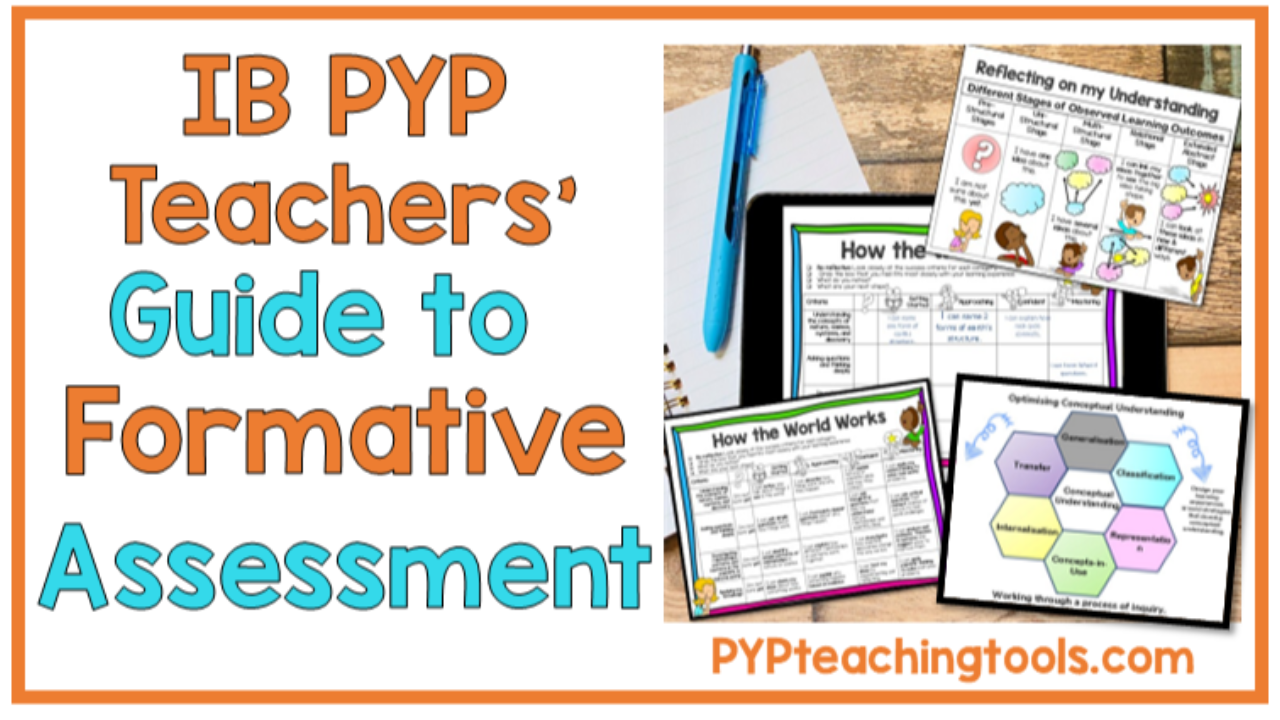
Hello again, fellow PYP teachers!
Formative assessment for conceptual understanding is a different job than formative assessment for facts. You're not just checking whether a student remembers something. You're trying to see whether they can hold onto an idea, connect it to something else, and use it somewhere new. That takes the right tools, used often and lightly, not one big test at the end.
Here's how I build formative assessment for concepts into my week, not just my unit.
Keep It Small and Frequent
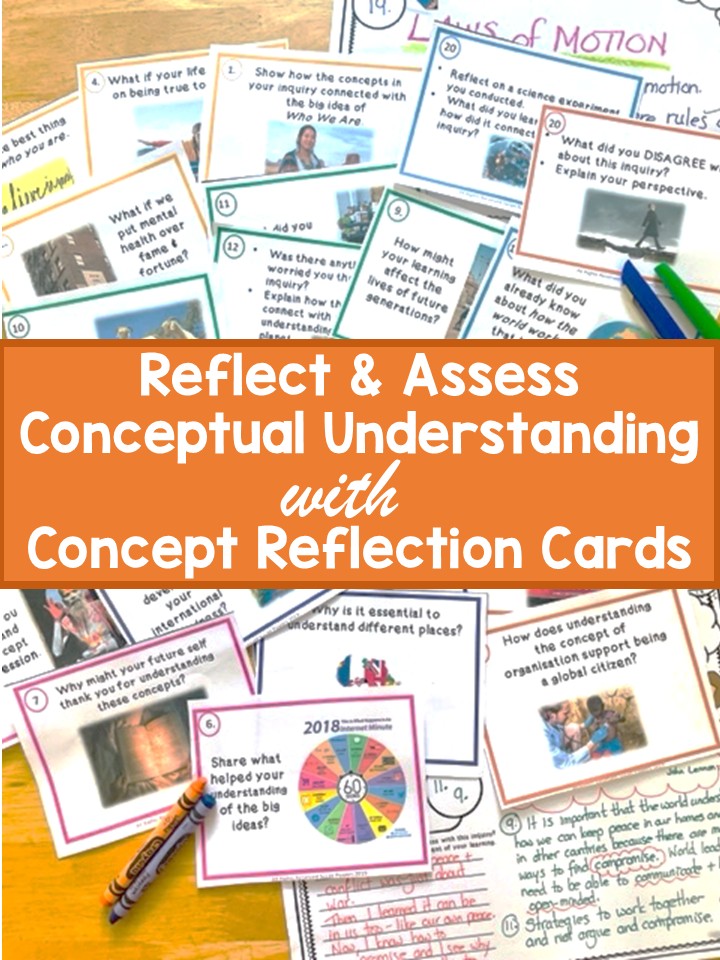
A five minute check at the end of a lesson tells you more than a twenty minute test at the end of a unit. Small, frequent checks let you adjust your teaching in real time, while there's still time to adjust it. And this is how these concept reflection task cards came about.
I created these for our unit of inquiry as a quick reflection to be used largely as part of a THINK-PAIR-SHARE strategy. But we also used them in circle time at the end of the day as a casual chat together. Over time, I found that the children became more adept at articulating their understanding through these simple, open-ended prompts. Simple conceptual questions, relating to the theme and the inquiry:
- Why is it essential to understand different places?
- Why might your future self thank you for understanding these concepts?
What began with How We Express Ourselves, led to a set for the entire programme of inquiry. You can take a closer look at those here. There's a set for every theme.
Ask Students to Explain, Not Just Recall
Swap "what is" questions for "why does" and "how does this connect to" questions. The shift in verb changes the level of thinking you're actually assessing. This focus on communication skills really brought additional layers to their reflections, building the attribute of BEING reflective authentically.
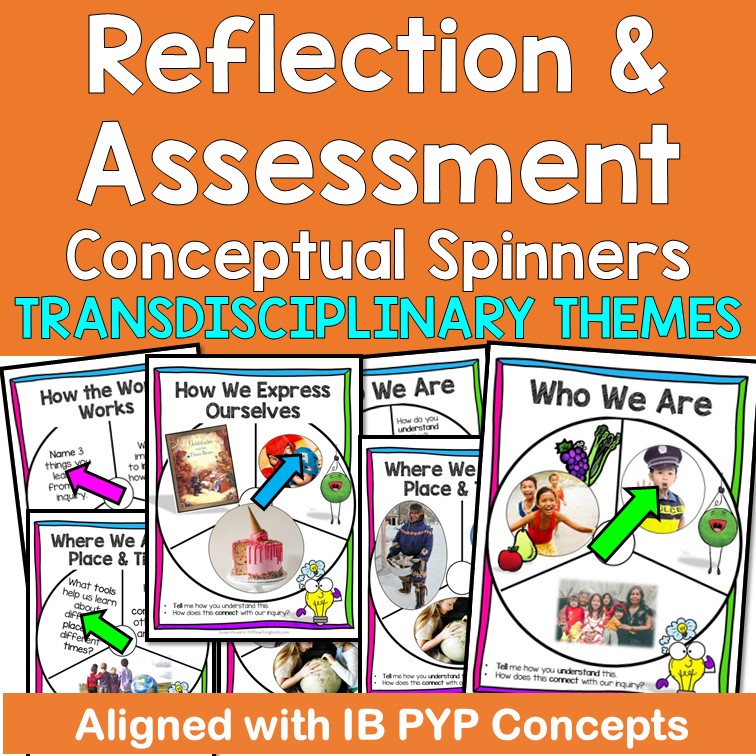
🌟The conversation is so important. Especially with children we are less inclined or able to write their thoughts. In a bid to make these conversations more authentic and engaging, I created these spinners aligned with SOLO taxonomy.
The kids LOVED them! Collaborative conceptual feedback became A GAME! 😉This set is for lower grades. I have a set for big kids too.
Make Reflection Part of the Routine
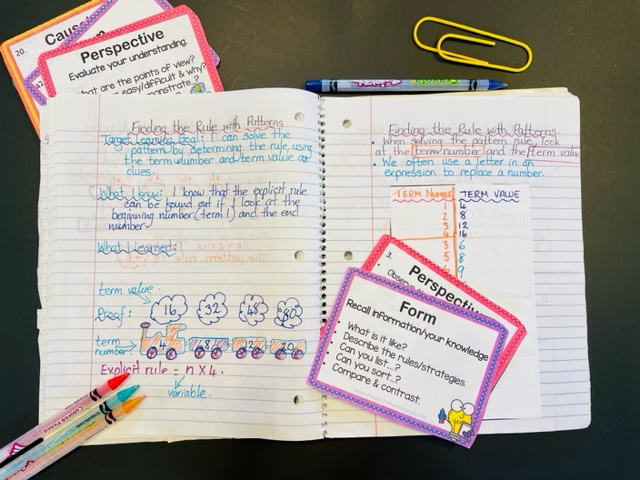
Concept-based learning depends on students being able to reflect on their own thinking. Build a moment for that reflection into every unit, not just at the very end of it. The Maths Specified Concepts task cards support this on-going reflection and student feedback cycle too.
With higher level thinking skills being implicitly put into practice through open-ended tasks, these thinking skills task cards help to transfer transdisciplinary understanding; as a support with easy differentiation and flexible enough to use with collaborative discussion or independent work. These task cards add depth to those reflection questions for maths and can be used at any time for implicit practice with conceptual thinking.
And yes, there's a set for every level. Take a peek at your level here.
Use the Same Structure Across Every Theme
Consistency matters here. When students know the format of your reflection and assessment tasks, they can focus their energy on the thinking, not on figuring out what you're asking for. And can we make the experience engaging while we're at it?
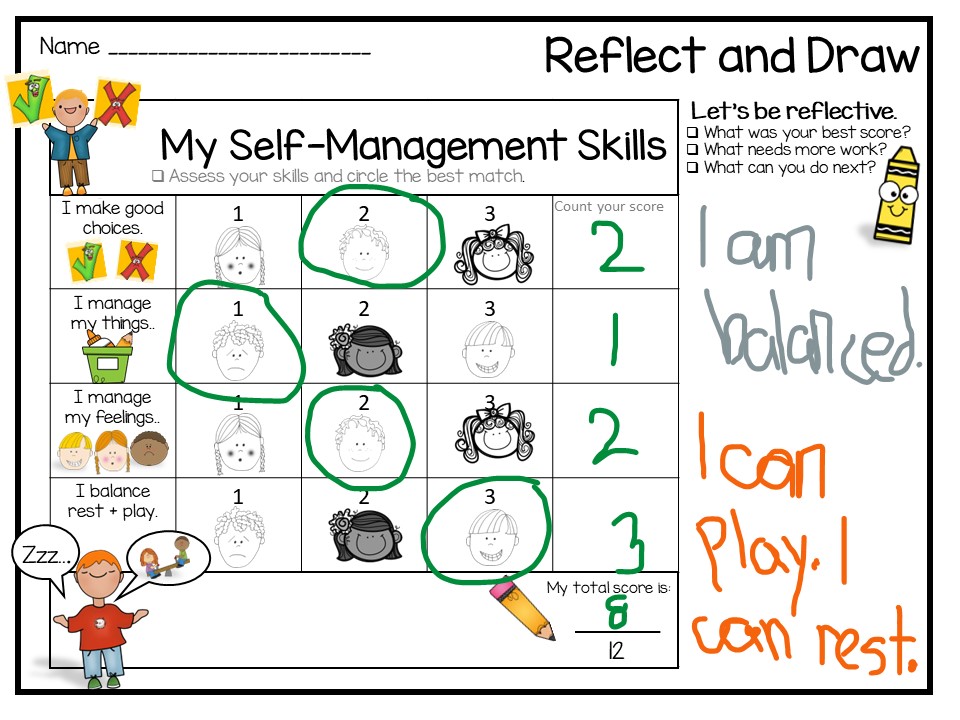
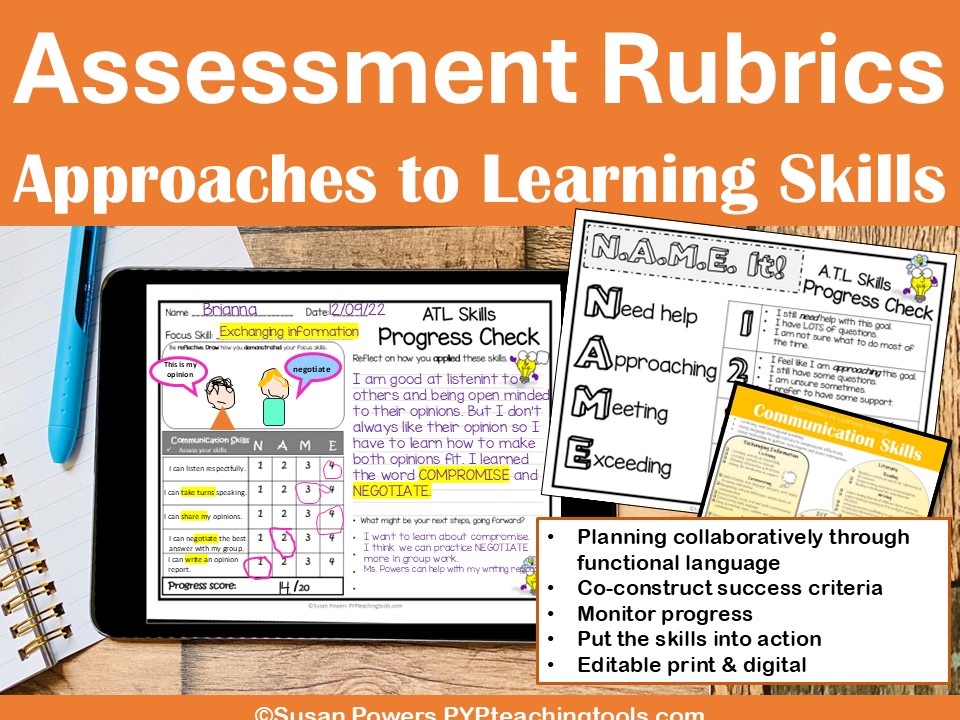
One Resource That Does All Four
This is exactly why I put these together into a bundle for you. These tools cover the entire Programme of Inquiry with the same consistent, concept-based structure across every single theme, so your students always know what genuine reflection and assessment looks like, no matter which unit you're in.
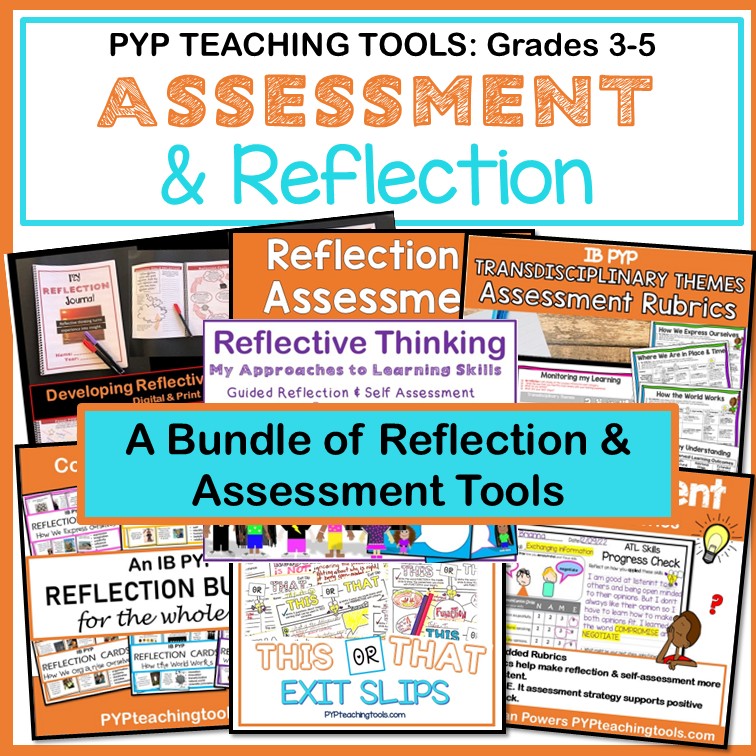
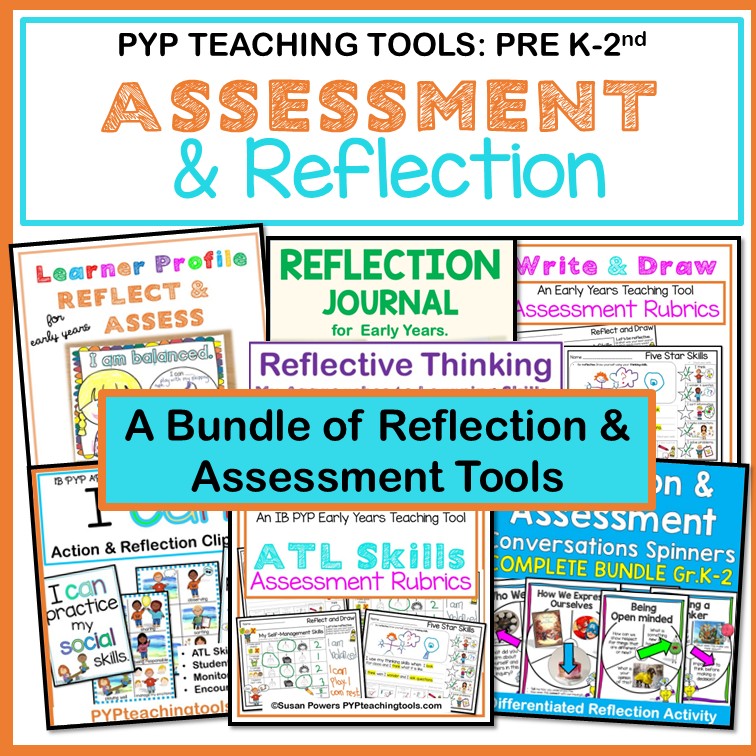
OR
BE INSPIRED. BE CONFIDENT. BE READY!
And resources just like these, covering every theme and ready to use tomorrow, are already waiting for you inside your Annual Membership resource library, alongside dozens of other assessment and reflection tools I've built over the years. 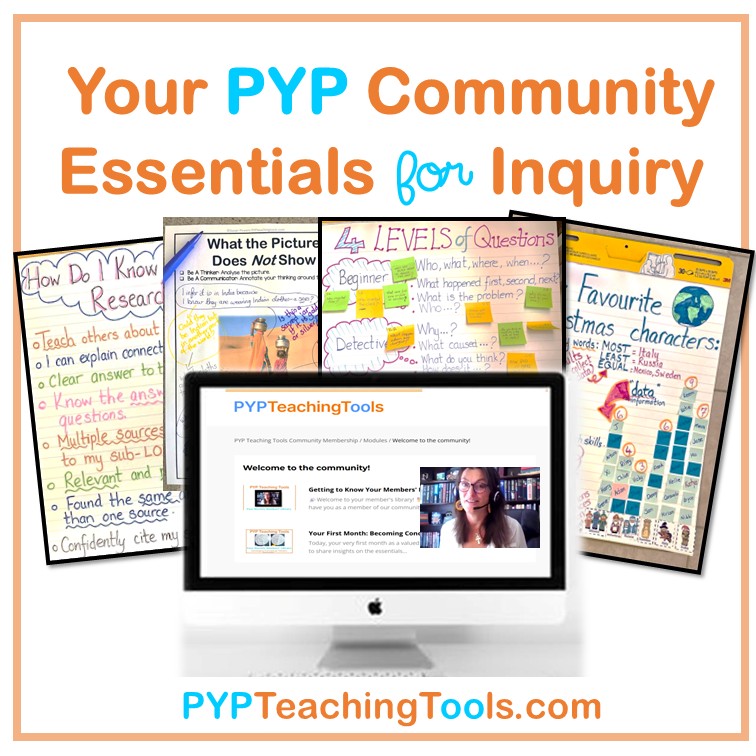
👉 Explore the Essential for Inquiry Community Membership
Enjoy!
Yours aye,
Susan
P.S. If you've got a formative assessment trick of your own, I'd love to hear it. Come share it with me on Instagram @pypteaching.
