
Planning Your First Unit of Inquiry: Where to Start in the IB PYP
Back to school in your IB PYP class is well and truly over. The settling-in weeks are behind you. Routines are running, names are sticking, the classroom finally feels like yours. And now the real planning pressure lands: your first proper unit of inquiry of the year.
It's a strange kind of hard. You've done this before, plenty of times. But not with this group, not yet knowing what makes them curious, what derails them, what they'll push back on. There's no "last year's version" of this unit to lean on, because last year's version was built for different children and the reflections came from those children.
That's why the first unit of the year is so often the one that eats the most planning time, for the least confidence in the result.
Why the First Unit Is the Hardest One to Plan
A few reasons this one is different from every unit that follows it:
- You're choosing concepts for a class you're still getting to know; there's no muscle memory with this group yet.
- There's real pressure for it to set the tone: this unit teaches your students what inquiry is for the rest of the year, whether you intend that or not.
- Planning meetings run long, and when they do, content quietly takes back over from concepts because content is faster to agree on than a genuinely good central idea.
- Without a clear starting point, it's easy to freeze at the very first question: where do I even begin?
None of that means anything has gone wrong. It means the first unit needs a process that holds up under pressure, not more willpower.
Start With the Same Question, Every Time
The starting point doesn't change, whether it's your first unit of the year or your last: what concepts live here? That single question, asked before anything else, is what keeps a unit from becoming a content list with a central idea bolted on top.
I use a simple seven-step pathway to work through that question every time I plan and recently shared this with the Toddle community's back to school live webinar event. The terrain, concepts, the specified concepts that takes it deep, the broad general idea, the inquiry pathways, the skills the inquiry genuinely demands, and content last. I walked through the full process in Planning How the World Works: What Concepts Live Here? if you want to see it applied step by step.
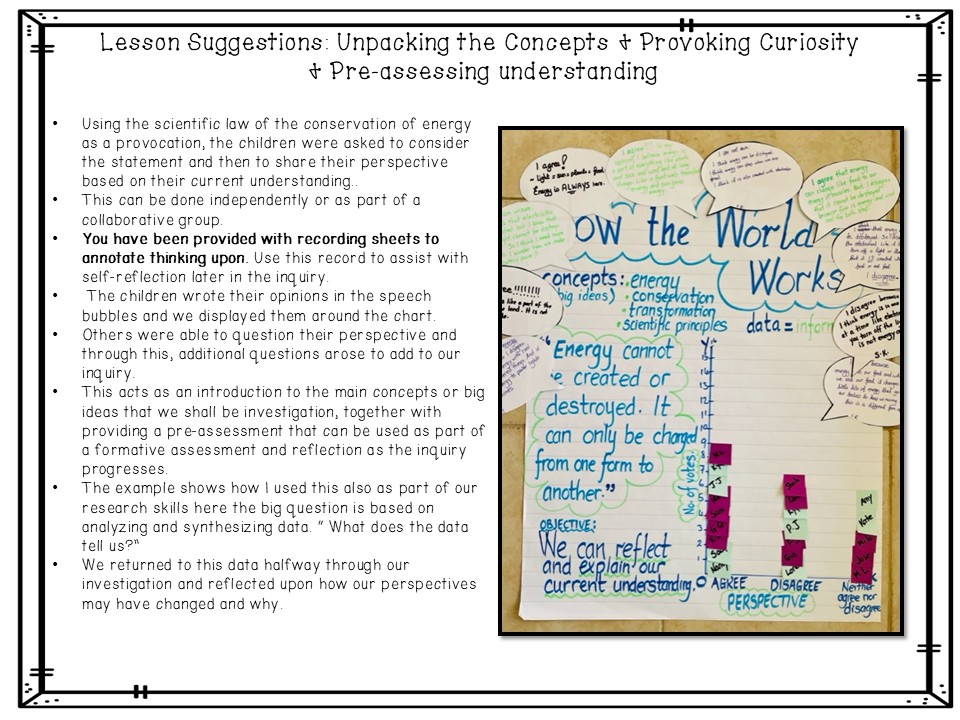
The reason it's worth having a fixed pathway isn't efficiency for its own sake. It's that a repeatable process is the one thing that doesn't change when everything else about a new class does.
What's Actually Different About Unit One
The pathway stays the same, but two steps take longer this time round, and that's normal:
Step 1, the terrain, takes longer because you're doing two things at once; reading the theme and reading the room. You don't yet know what this group will notice, question, or push back on, so the terrain has to be scouted rather than remembered.
Step 2, what concepts live here, works best broad and unfiltered for this one. Without last year's planner to truly riff off, resist narrowing too early. Cast a wide net across the terrain before you commit to the specified concepts that'll take you deep.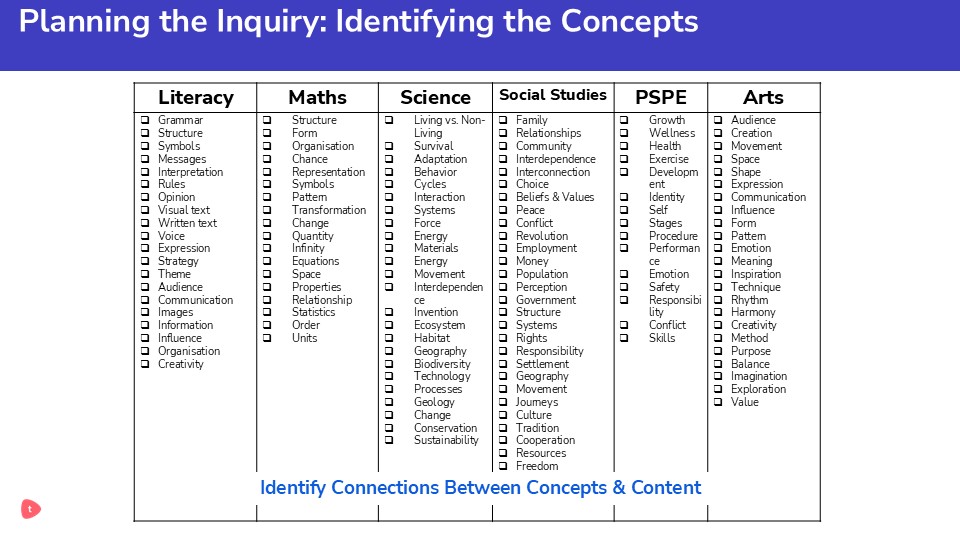
Everything after that runs the same as it always does. That consistency is exactly what makes unit one less daunting once the process is in front of you rather than in your head.
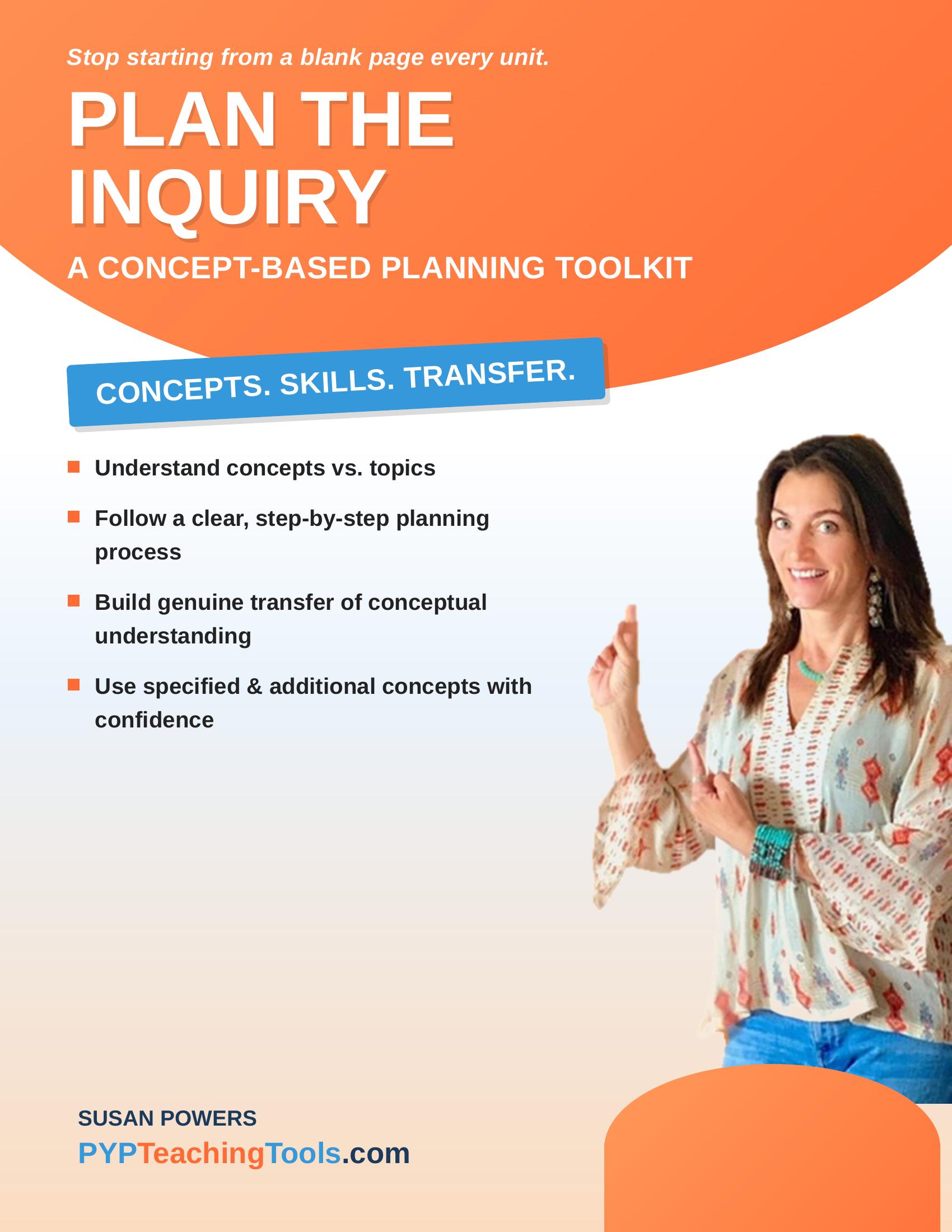
If it helps to have that process written down while you plan - the actual step-by-step, not just the theory, grab the free toolkit I put together for exactly this: Plan the Inquiry: A Concept-Based Planning Toolkit. It's free, and it takes about ten minutes to work through.
You Don't Have to Plan This One Alone
Here's the thing about the first unit specifically: it's the one where planning in isolation costs you the most, because there's no established rhythm yet to fall back on if a live conversation would help more than another template.
So, come on in, and let me support your planning. Not just for this unit, but as this becomes a regular part of how your year runs: practical, in-the-moment professional learning that's grounded in real classrooms, not theory..... the kind of support that's there when you actually need it, and not just in August.😊
The PYP Annual Membership gives you instant access to the resource library, planning support, and professional learning sessions all year long and your very first session inside is Concept Seekers- a workshop webinar walking you through practical concept-based learning strategies that support exactly this way of thinking and transfer of conceptual understanding across all grade levels. 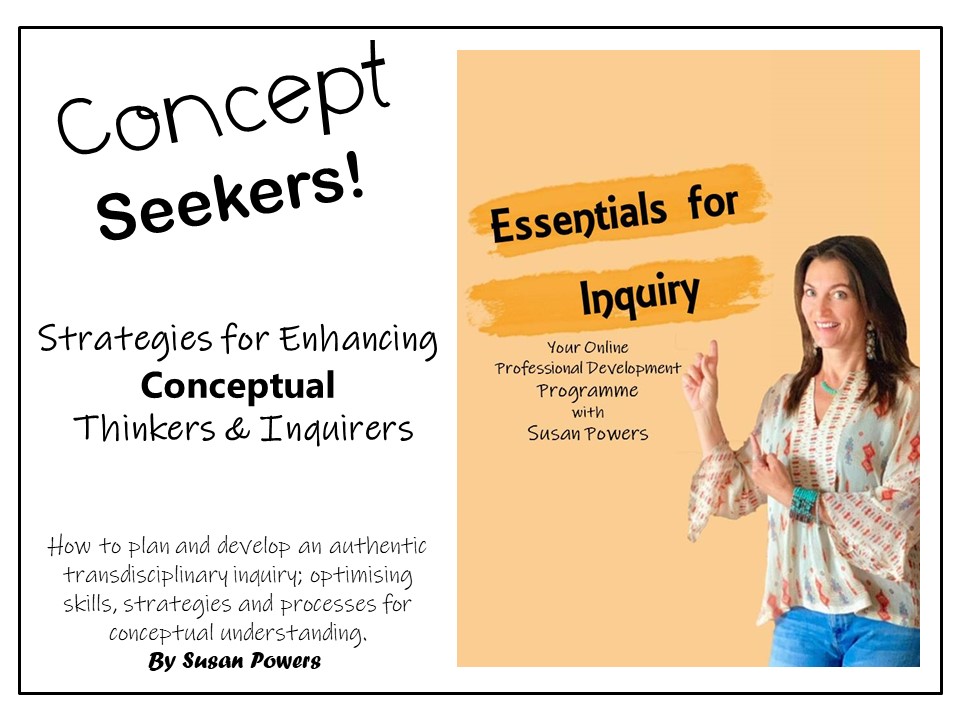 Not ready for that yet? That's completely fine. Just start with the free Plan the Inquiry toolkit instead. It stands on its own, no strings attached and will walk you through those 7 steps to planning your concept-based inquiry simply and effectively.
Wherever you start: the same question opens every unit: What concepts live here? Start there, and the rest of the year gets a little easier from here.
Enjoy!
Susan
