
What Makes the IB PYP Different? Learning That Starts With Questions
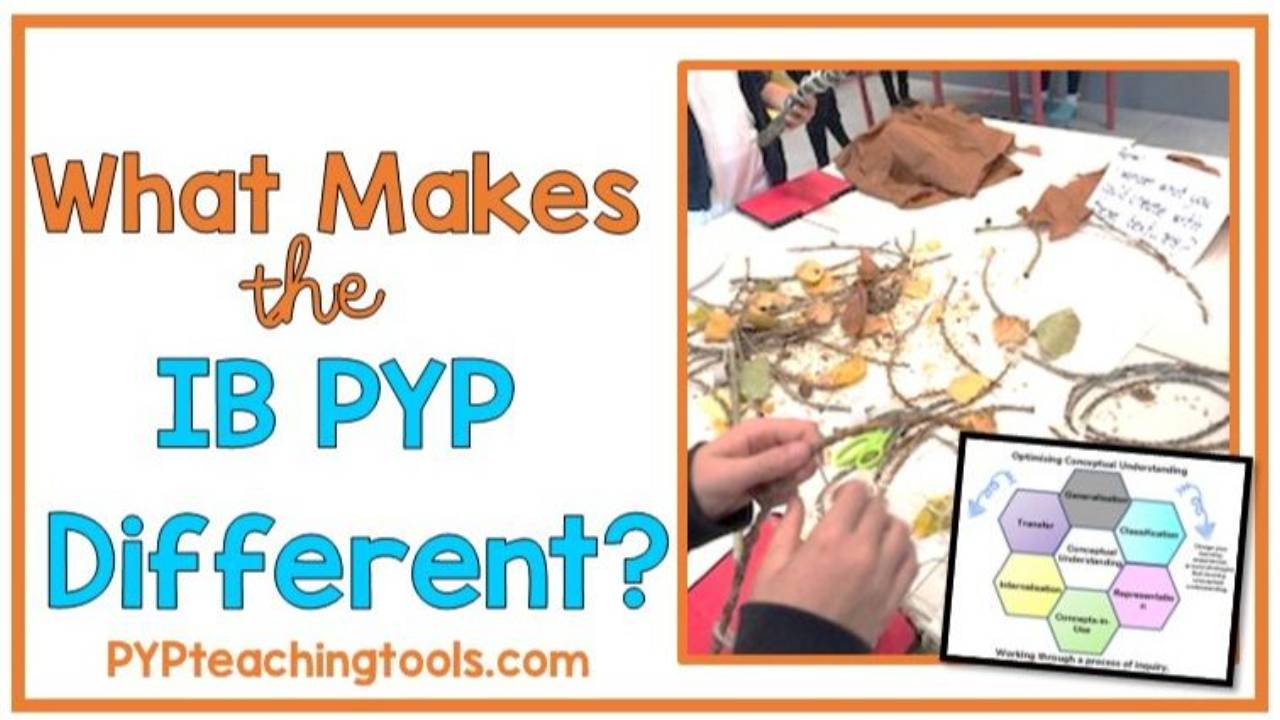
The IB PYP is different from a traditional primary classroom in one fundamental way: it starts with the learner's questions, not the textbook's chapter headings. If you have ever watched a group of eight year olds argue passionately about whether a river can belong to anyone, you have seen what that looks like in practice.😉
Whether you are a teacher new to the IB PYP, a coordinator explaining the programme to families, or a parent wondering why your child's classroom seems so busy and so noisy, here is what genuinely sets it apart, and why so many children flourish in it.
Learning organised around big ideas, not separate subjects
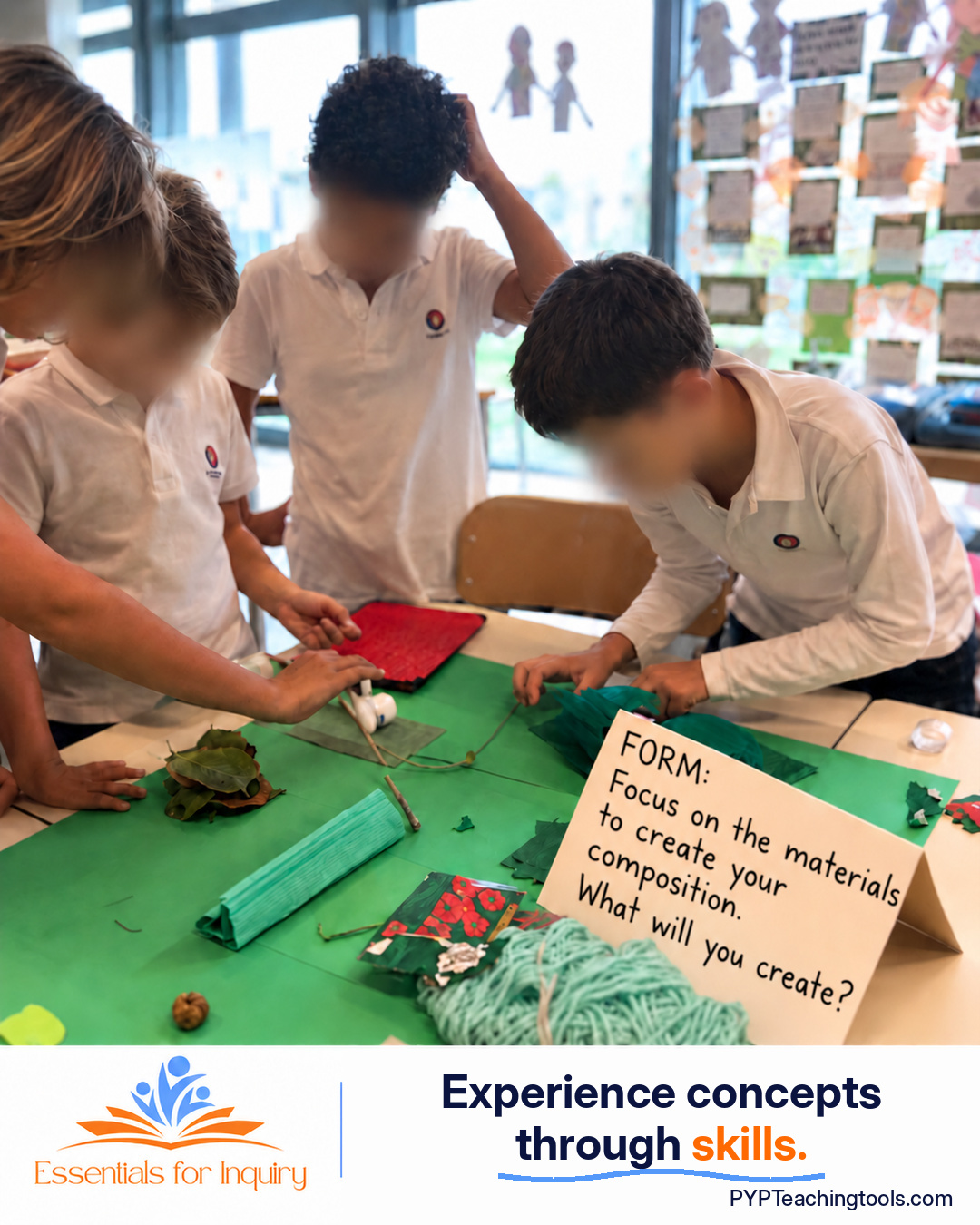
In a traditional timetable, children meet science at ten, history after lunch and writing on Fridays. Each subject sits in its own tidy box. The IB PYP works differently. Learning is organised into six transdisciplinary themes: Who We Are, Where We Are in Place and Time, How We Express Ourselves, How the World Works, How We Organise Ourselves, and Sharing the Planet.
- Within each theme, teachers plan units of inquiry built around a central idea. A unit on how living things adapt to their environments is not simply "a science unit."
- Children read informational texts, measure and graph data, write explanations, debate ideas, create models and reflect on what they have learned.
- The subjects are all still taught, and taught rigorously.
- They are just connected, the way they are connected in the real world.
Concepts travel further than facts
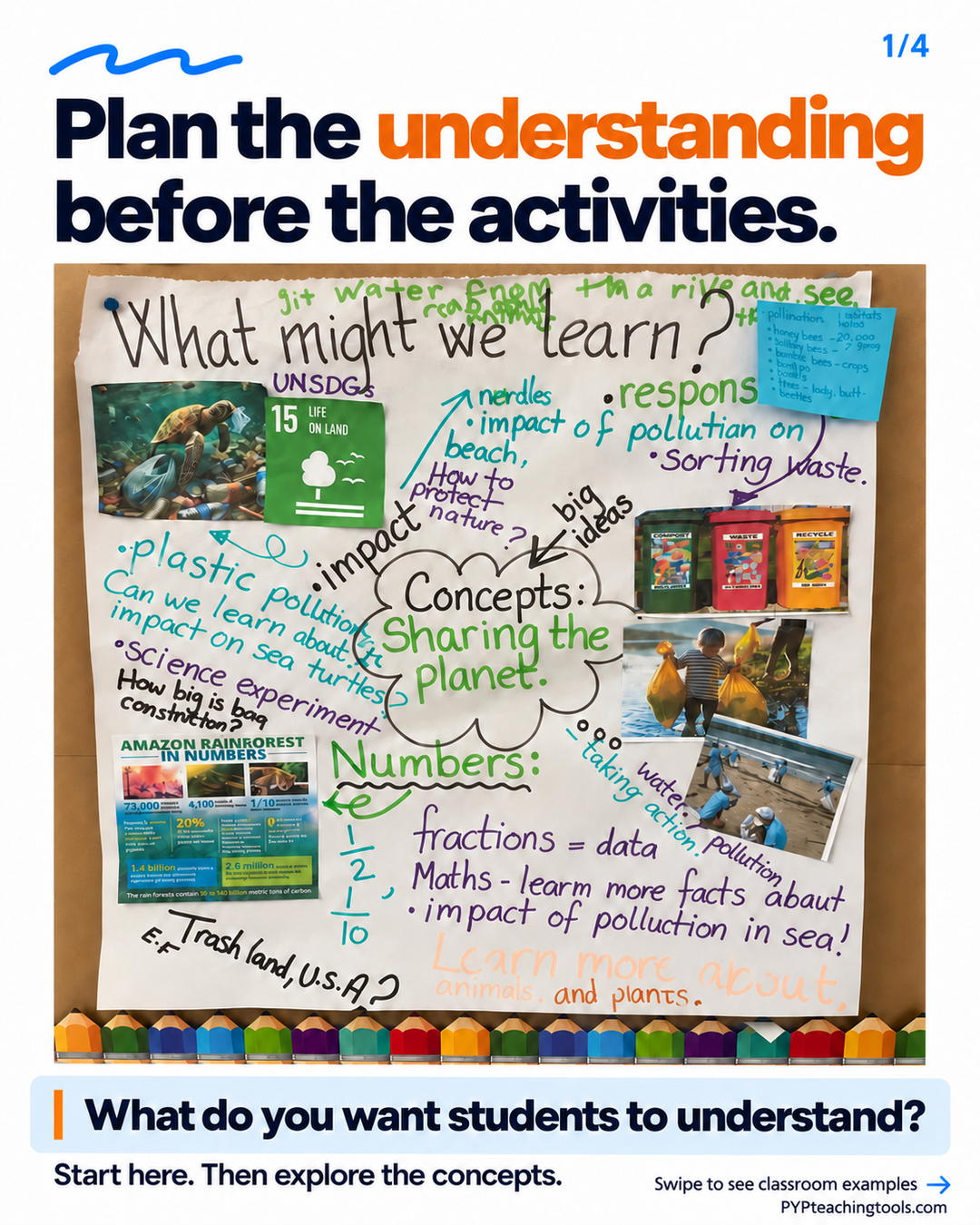
Facts expire. Concepts travel. The IB PYP builds understanding around key concepts such as form, function, causation, change, connection, perspective, responsibility and reflection. When a child truly understands what "change" means, she can apply that thinking to a caterpillar, a government, a piece of music or a friendship.
This is one reason IB PYP students so often become confident at transferring knowledge to unfamiliar situations. They have practised asking, "How is this like something else I know?" and "Why did this happen?" rather than only "What is the answer?"
Questions are the starting point
In an inquiry classroom, the teacher acts as a lead learner and a designer of experiences. A provocation, such as a mystery object, a short film or a puzzling photograph, gets children wondering. Their questions then shape where the unit goes next.
This does not mean chaos. Good inquiry is carefully planned, with clear learning goals and a strong conceptual structure. It is also flexible enough to follow the children's thinking when something exciting emerges. That balance between structure and openness is the craft of IB PYP teaching, and it takes time to build.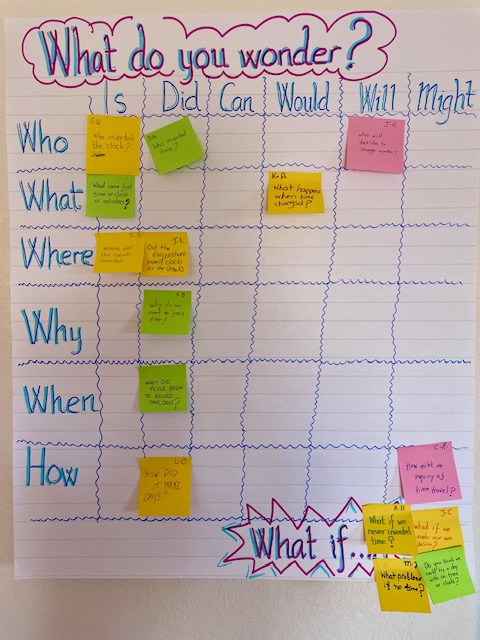
Why children thrive
After more than 30 years in classrooms across several countries, I have seen the same patterns again and again in IB PYP learners.
- 🌟They see the point of learning. When a unit connects to real questions about their world, the "why do we have to learn this?" question mostly disappears.
- 🌟They own their learning. Children who help shape the questions are invested in finding the answers. Voice and choice build motivation in a way that worksheets rarely do.
- 🌟They get comfortable with not knowing. Inquiry normalises uncertainty. Children learn that confusion is where thinking begins, not a sign that something is wrong with them.
- 🌟They learn to think and to work together. Discussion, collaboration and reflection are built into daily routines, so social and thinking skills grow alongside content knowledge.
- 🌟They belong to a bigger world. International-mindedness runs through the programme, encouraging children to consider other perspectives and cultures from an early age.
What the IB PYP asks of teachers
It would be dishonest to pretend this is the easy road. Planning inquiry units takes more thought than following a scheme of work. Assessment is broader than a test score. And letting go of control, just enough, can feel uncomfortable at first.
If you are building your practice, a few starting points help:
- Begin with one strong central idea and keep your lines of inquiry tight.
- Plan a provocation that genuinely surprises children.
- Capture children's questions visibly and return to them throughout the unit.
- Build in regular reflection, not just at the end.
- Be patient with yourself. Inquiry teaching deepens with every unit you teach.
Take your planning further
If you want clear, practical guidance on the ideas in this post, my mini courses were made for exactly that:
- Steps to Planning Your First Unit of Inquiry: This Workshop shows you how to move beyond separate subjects and plan a concept-based inquiry
- Concept-Based Inquiry Made Simple: A Workshop to Ignite Your Inquiry makes concepts clear and easy to plan with.
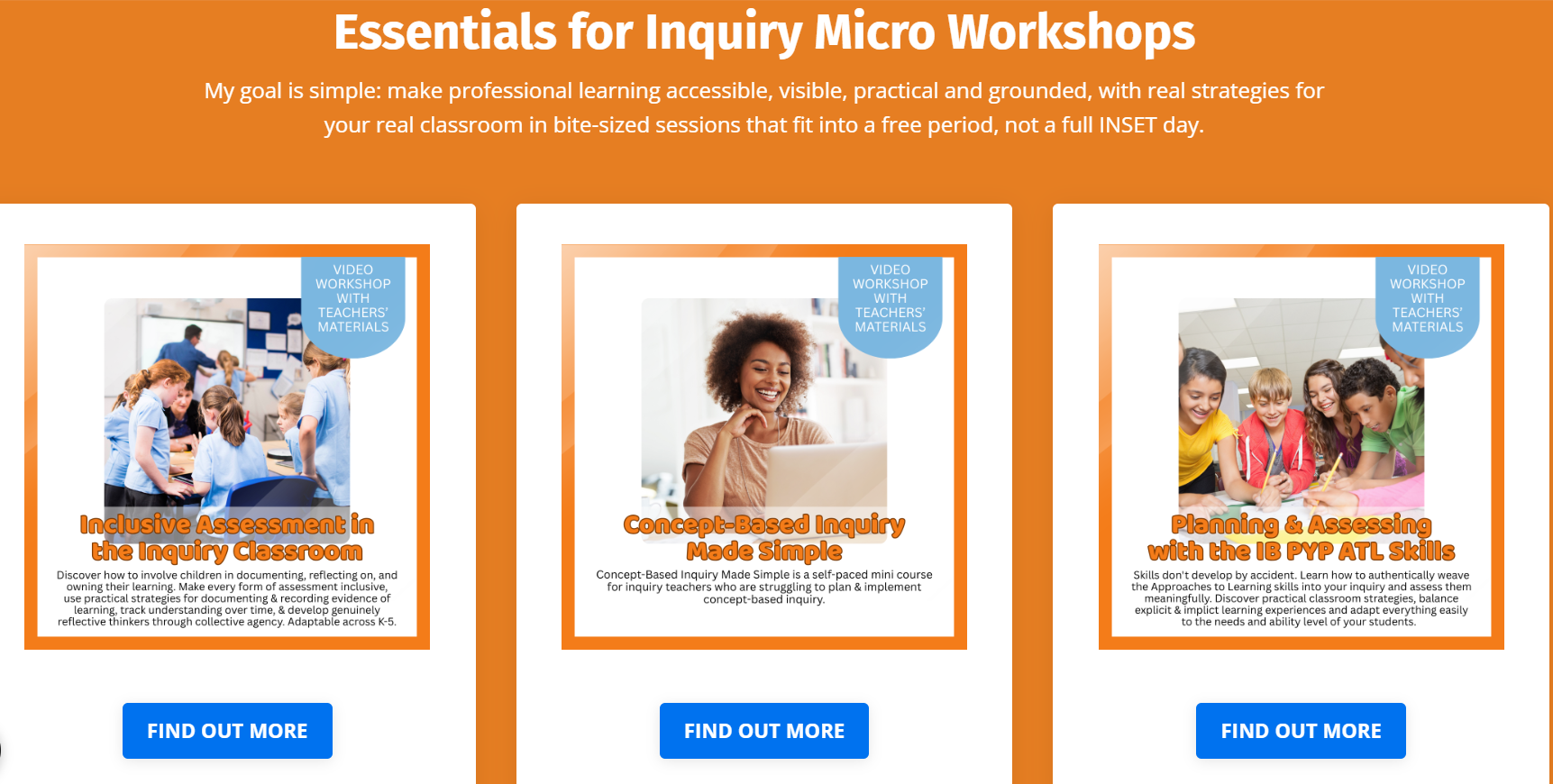
You will find these and more professional learning, along with a full library of resources and a community of IB PYP teachers, inside the Essentials for Inquiry Community Hub Membership
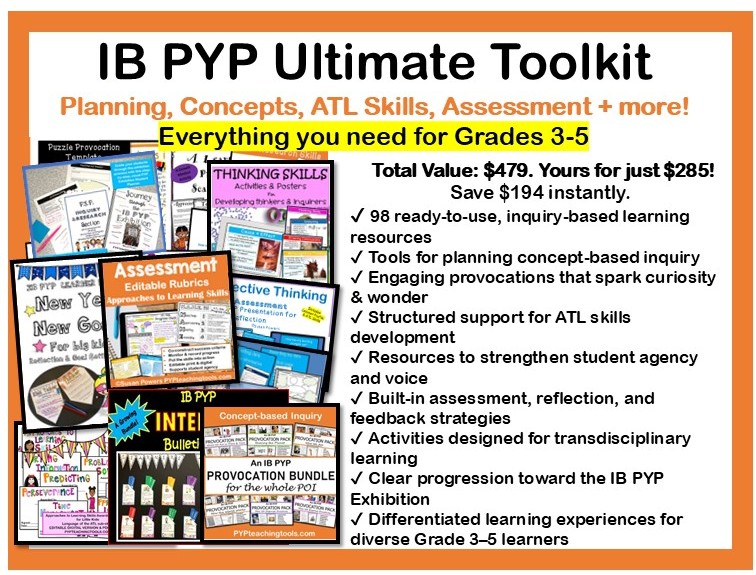
If you would prefer the ready-made planning support for your grade level without the membership, my Inquiry Toolkits pull everything together in one place:
Welcome to the PYP! You are not alone on this journey.
Susan
P.S. What is the one thing that most surprised you when you first taught in the IB PYP? I would love to hear it.
