
10 Concept-Based Inquiry Provocations You Can Set Up Tomorrow
Hello again, fellow inquiry teachers!
A great provocation in the IB PYP does so much heavy lifting. It's the spark that gets your students noticing, wondering and connecting before you've said a single word about your unit. And the best part? Most of them take less time to set up than it takes to mark a stack of exit slips.
Mastering the Art of the Provocation
The art of the provocation: knowing how to engage, invite and provoke curiosity, pre-assess current knowledge and understanding, and find pathways to inquiry using the children's responses to the provocation experience. This is what supports co-planning the inquiry, and it is the start of student-led inquiry.
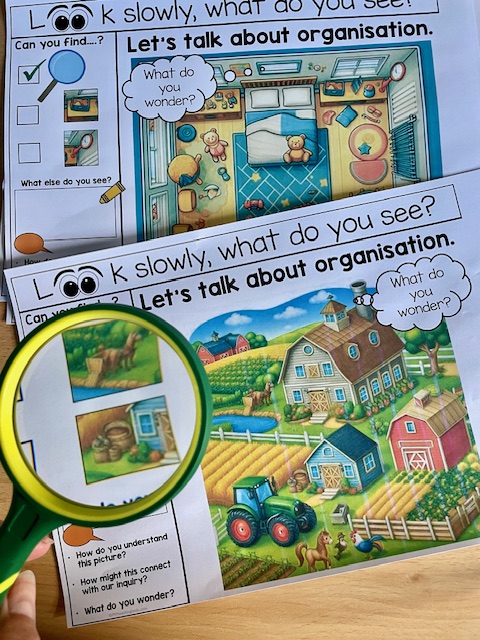
I've pulled together eleven of my go to provocations. For each one you'll find the key points, guiding conceptual questions built around the IB PYP specified concepts, and a sample of how it might look in a Grade 1 and a Grade 4 classroom. Pick the ones that fit your current unit, or bookmark this list for the next time you're planning a new one.
1. Concept Story Mats & Concept Discussion Mats
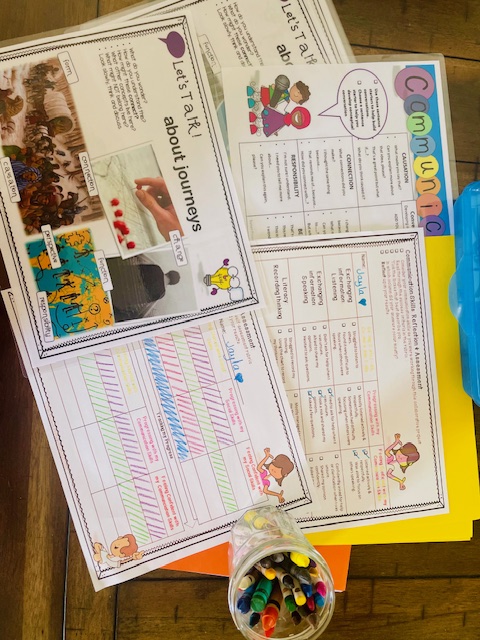
Spread a mat of conceptual images across a table or the carpet and let small groups talk their way through it. Story Mats invite younger learners to tell the story of what might be happening. Discussion Mats give older students a structure for accountable talk, building on each other's ideas and justifying their thinking.
Key points:
- Tunes the children into the concepts before any formal teaching
- Builds communication and social skills alongside thinking skills
- Sentence stems and Roll & Talk games keep every voice in the conversation😉
- Their talk gives you a quick pre-assessment of what they already understand
Guiding conceptual questions:
- What do you notice about how this looks or how it is made? (Form)
- How might these images be connected to each other? (Connection)
- How might someone else see this picture differently? (Perspective)
In a Grade 1 classroom: During a Who We Are unit on relationships through families, pairs sit with a Concept Story Mat of family images from around the world. After close observation of the image, each child picks one part of the picture as their focus and tells their partner the story of what is happening, then they find two pictures or for more rigour, picture books that I'd selected for the inquiry that are connected and explain why.
In a Grade 4 classroom: During a Sharing the Planet unit, groups of four play Roll & Talk on a Discussion Mat. Each roll lands them on an image and a prompt, and they use sentence stems such as "I agree with you because..." and "This connects to..." to build on each other's thinking before recording their group's questions.
➡️ Grab the IB PYP Concept Story Mats Bundle (Grades K-3)
➡️ Grab the IB PYP Concept Discussion Mats Bundle (Grades 3-5)
2. The Jigsaw Provocation Strategy
Watch the video as I explain how this tool supports tuning into the inquiry by inviting the children to think through concepts. You can actually get the free templates right here.
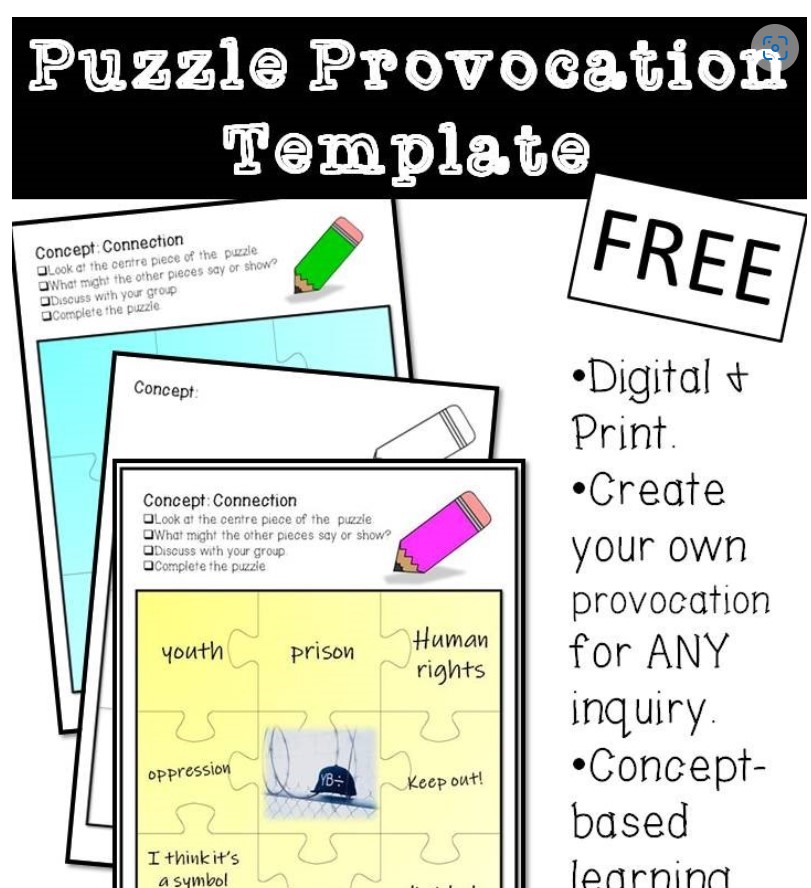
Choose an image connected to your concept, place it on the jigsaw template and cut it into pieces. Each child (or pair) explores their own piece first. Then the group comes together to build the whole picture, sharing what they noticed and listening to how their ideas fit with everyone else's. No one has the full picture alone, so this strategy is all about collaborative thinking and making connections between the children's ideas.
Key points:
- Use it with ANY age. It works just as well in the early years as it does with your oldest students.
- Differentiate with the number of pieces. Four large pieces for younger children or those who need more support, and eight, twelve or more for students ready for a greater challenge.
- Add guiding questions. Write a question on the back of each piece or on a card in the centre of the table to focus the thinking.
- Use it with ANY concept. Simply swap the image and the questions to match the concept you're focusing upon.
- Structure the thinking with a routine. Use See Think Wonder in full, deconstruct it to just See, just Think or just Wonder, or vary it, for example See Feel Wonder for units with an emotional or personal lens.
Guiding conceptual questions:
- What does your piece show, and how might it connect to the pieces around it? (Connection)
- How did your thinking change when the whole picture came together? (Change)
- Whose ideas helped you see something you hadn't noticed before? (Perspective)
In a Grade 1 classroom: For a How the World Works unit on plants, an image of a garden is cut into four large pieces. Each child in the group focuses on just See, naming what is on their piece. Then they put the picture together and the teacher asks, "Now that we can see the whole garden, what do you think is happening?"
In our Grade 5 classroom: For a Where We Are in Place and Time unit on migration, a historical photograph is cut into twelve pieces. Students complete See Think Wonder on their own piece, then build the image as a group and compare how their thinking changed once they could see the whole story. Their shared wonderings go straight onto the class inquiry wall.
3. The Silent Gallery Walk
Set up a gallery of connected images, artefacts and quotes around the room with no labels. Students walk, look, and jot down observations and questions on sticky notes, or use a structured thinking routine, before any discussion happens. Questions can be built around whichever specified concept you're focusing upon. This could be as simple as connection, asking the children to tune into the micro concepts within your inquiry, or going a bit more rigorous through function, responsibility and so on.
Key points:
- Silence gives every child thinking time before the loudest voices take over
- No labels means the children build meaning for themselves
- Sticky notes become instant evidence of prior knowledge and wonderings
Guiding conceptual questions:
- What do you notice about the form of each? (Form)
- What might be their connected purpose? (Function)
- How might these connect with responsibility? (Responsibility)
In our Grade 1 classroom: For a How We Organize Ourselves unit on community helpers, photos of tools (a stethoscope, a fire hose, a mail bag) are placed around the room. Children walk with a partner and draw or stick a smiley face, a thinking face or a question mark next to each one. Back on the carpet, they share who they think uses each tool and why.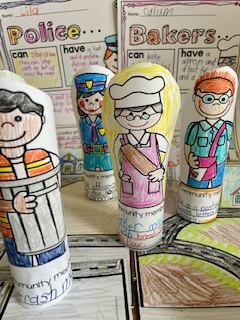
In our Grade 4 classroom: For a Sharing the Planet unit on waste, the gallery features images of landfills, recycling plants and packaging alongside a few short quotes. Students walk in silence, adding a "notice" and a "wonder" to each station, then group the sticky notes by concept to suggest possible lines of inquiry.
4. The Provocative Headline & Caption It
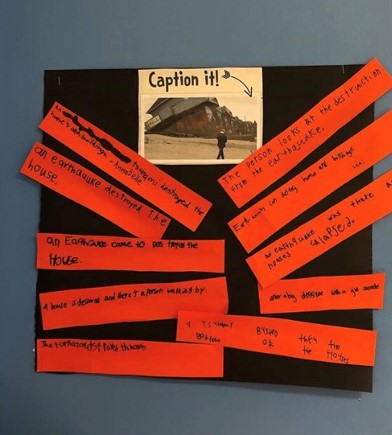
Print a bold, slightly controversial headline related to your unit and stick it on the board with no context. Let the questions come from them. Or, use an image without the headline and ask the children to create their own captions. Then, working in collaborative groups, they note their questions about each other's captions.
Key points:
- A little controversy gets the questions flowing fast
- Caption It builds inference and summarising skills
- Comparing captions shows the children how perspective shapes a message
Guiding conceptual questions:
- What might have caused this to become news? (Causation)
- Whose point of view does this headline or caption share, and whose is missing? (Perspective)
- How might the caption change if someone else wrote it? (Change)
In a Grade 1 classroom: Show a photo of a puppy looking at a broken vase. Children give it a caption by finishing the sentence "Uh oh, ..." and the class compares ideas: Is it the puppy's fault? How might the owner feel? It's a gentle way in to responsibility in a Who We Are unit.
In our Grade 4 classroom: Post the headline "Should Kids Be Paid to Go to School?" for a How We Organize Ourselves unit on economics. Groups write three questions they would need answered before forming an opinion, then rewrite the headline from the perspective of a parent, a teacher and a business owner.
5. The Sorting Challenge
Give small groups a pile of images or words and ask them to sort it their own way, with no instructions on categories. Their sorting logic tells you exactly what they already understand, and what they don't yet. This works because we are seeking pathways for inquiry. It works well with ALL ages and can be used as part of co-planning the inquiry, bringing the children's voice into the planning.
Key points:
- No set categories means no wrong answers, only reasoning
- The groups they create often point straight to your lines of inquiry
- Re-sorting a second way stretches flexible thinking
Guiding conceptual questions:
- What connects the items in each of your groups? (Connection)
- What job or purpose do the items in each group share? (Function)
- How would your groups change if you sorted them a different way? (Change)
In a Grade 1 classroom: For a How the World Works unit on materials, groups receive a tray of real objects (a spoon, a sock, a block, a cup). They sort them any way they like, then explain their groups to another table. Some will sort by colour, some by what it's made of, and that difference is your discussion.
In a Grade 4 classroom: For a How We Express Ourselves unit, groups sort a set of twenty images of art, adverts and logos. They label each group, then sort again using a different rule. Their category labels become the starting point for co-planning the lines of inquiry.
6. The See Think Wonder Table
Set out three or four objects with a simple See, Think, Wonder recording sheet. It is simple, but it never fails to get a room full of thinkers talking. Choose objects that are a little unusual or unfamiliar so the children have to look closely before they can make sense of them.
Key points:
- A familiar routine lowers the barrier so children can focus on thinking
- Separates what they observe from what they infer
- Wonderings feed directly into the inquiry questions
Guiding conceptual questions:
- What do you see? How would you describe its shape, size and material? (Form)
- What do you think it might be used for? (Function)
- What do you wonder about how it has changed over time? (Change)
In a Grade 1 classroom: For a Where We Are in Place and Time unit on toys, set out an old spinning top, a wind-up toy and a modern toy. Children draw what they see, tell a partner what they think it does, and the teacher scribes their wonderings on a class chart.
In a Grade 4 classroom: For a How the World Works unit on simple machines, set out a pulley, a can opener and a pair of pliers. Students complete the full See Think Wonder sheet independently, then compare with a partner and highlight the wonderings that might become research questions.
7. The Video Snippet
Play the first thirty seconds of a relevant video, then pause. Ask what they noticed, and what they think happens next. Keep the sound off for an extra challenge, so the children have to rely on what they see.😉
Key points:
- Short clips hook attention without giving away the answers
- Pausing invites prediction and reasoning
- Rewatching later lets children see how their thinking has grown & can be used as part of your reflection and self-assessment.
Guiding conceptual questions:
- What do you think caused this to happen? (Causation)
- What might happen next, and why do you think so? (Change)
- How might the people in the video see this differently from us? (Perspective)
In a Grade 1 classroom: For a Sharing the Planet unit on animals, play a clip of a caterpillar starting to spin a chrysalis, then pause. Children act out what they think happens next, and the class watches on to check their predictions.
In a Grade 4 classroom: For a How the World Works unit on natural forces, play a silent clip of a volcano beginning to erupt. Students record what they notice, what they think caused it and what they predict next, then compare their causes and effects in small groups before watching the rest.
8. Reverse Thinking
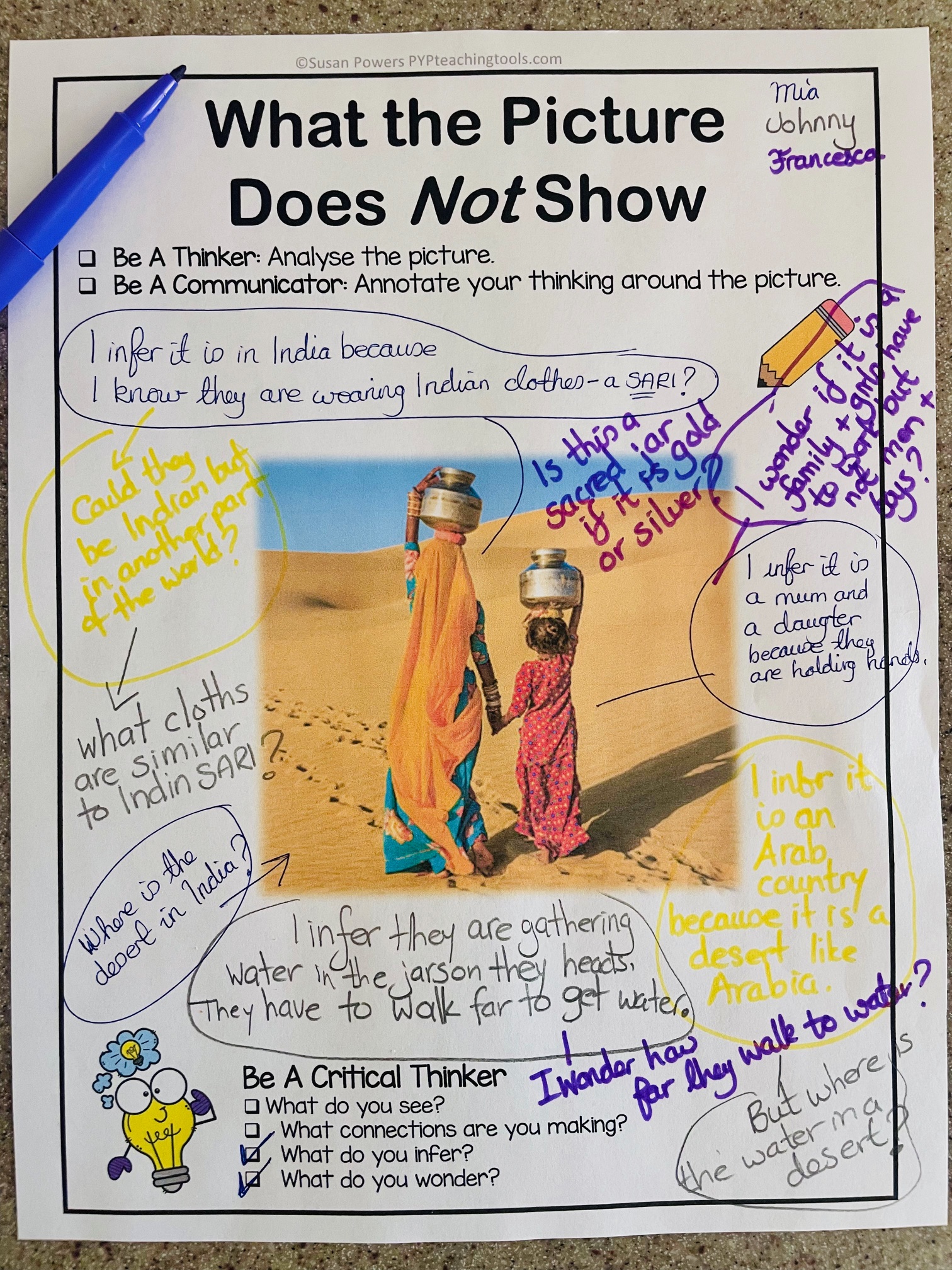
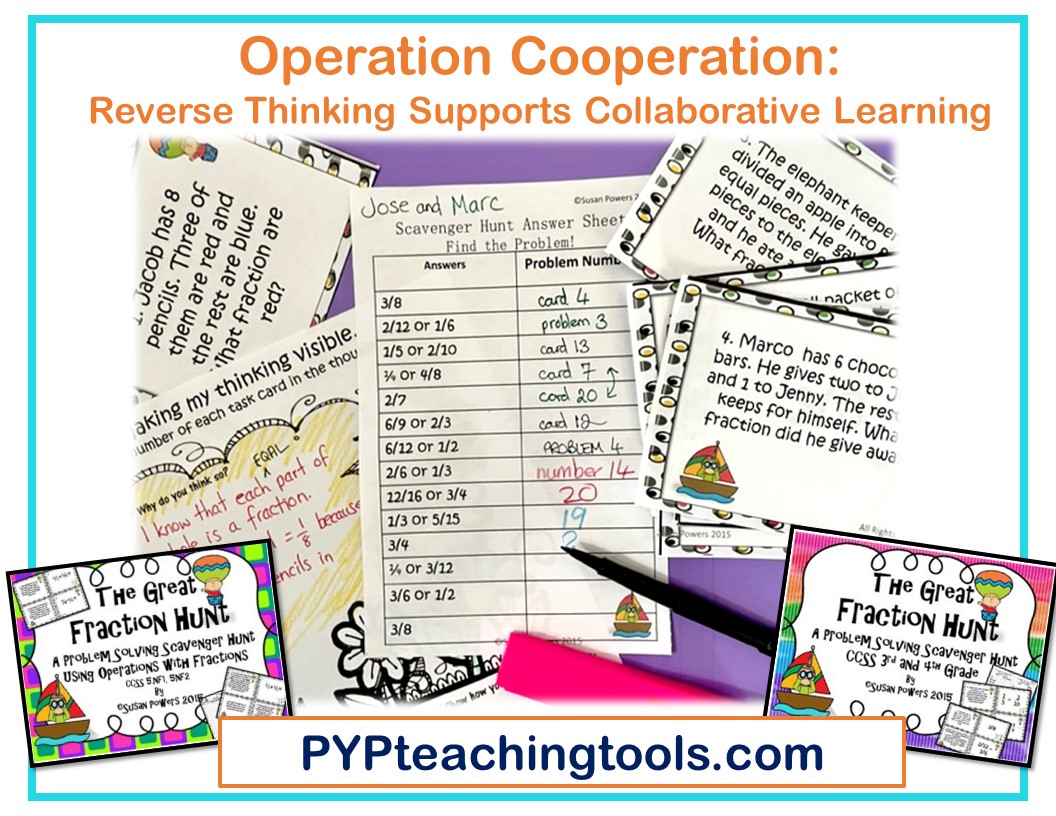
Flip the usual order around. Give the children the answer, the result or the outcome, and ask them to work backwards to the question, the cause or the story behind it. It's a brilliant critical thinking provocation and it works across subjects, including maths. You can read more about the maths experience in this blog post: 5 Keys to Developing Collaborative Learning
Key points:
- There's never just one right response, which is exactly the point
- Builds critical thinking and cause and effect reasoning
- Works brilliantly for integrating maths into the unit of inquiry
Guiding conceptual questions:
- If this is the result, what might have caused it? (Causation)
- What might have happened before this, step by step? (Change)
- Who might be responsible for this outcome? (Responsibility)
In a Grade 1 classroom: Write "The answer is 10" on the board. Children use counters to find as many questions as they can, then share. For a Sharing the Planet unit, show a photo of a wilted plant and ask, "What might have happened to it?"
In a Grade 4 classroom: Show a photo of an empty supermarket shelf for a How We Organize Ourselves unit. Students work backwards to list every possible cause, then rank them from most to least likely and identify who might be responsible at each step of the supply chain.
9. The Read-Reflect-Respond Strategy
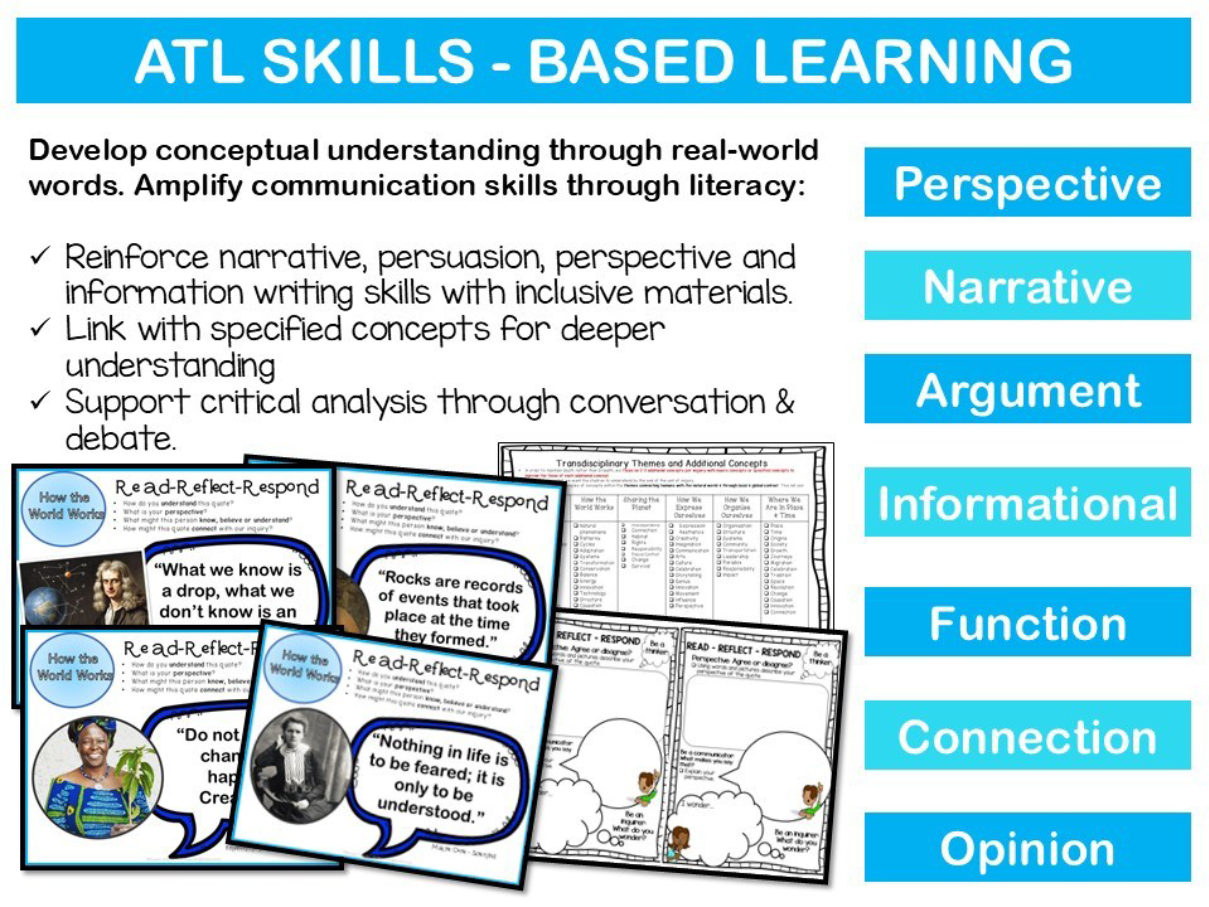
Choose a picture book or quotes connected to the concepts within your central idea. Read a short section or a single quote, give the children time to reflect, then invite them to respond by predicting, connecting and questioning before you read on. Because the text is short, their energy goes into deep thinking rather than decoding.
Key points:
- Connects reading skills directly to the concepts in your unit
- Short texts mean reluctant readers can join in confidently
- A consistent routine builds metacognition over time
Guiding conceptual questions:
- Whose point of view does this quote or story share? (Perspective)
- How does this connect with our central idea? (Connection)
- What responsibility might we have after reading this? (Responsibility)
In a Grade 1 classroom: For a Who We Are unit on friendship, read a picture book and stop at the moment a character is left out. Children turn and talk: How do you think they feel? What could their friends do? Then read on to see what happens.
In a Grade 4 classroom: For a Sharing the Planet unit, display a quote about caring for the environment. Students read it silently, reflect in their journal on what it means and whether they agree, then respond in pairs by linking it to the central idea and writing one question it raises.
➡️ Grab the IB PYP Reading Skills Provocation Bundle (Grades 3-5)
10. Colour Symbol Image Reversed
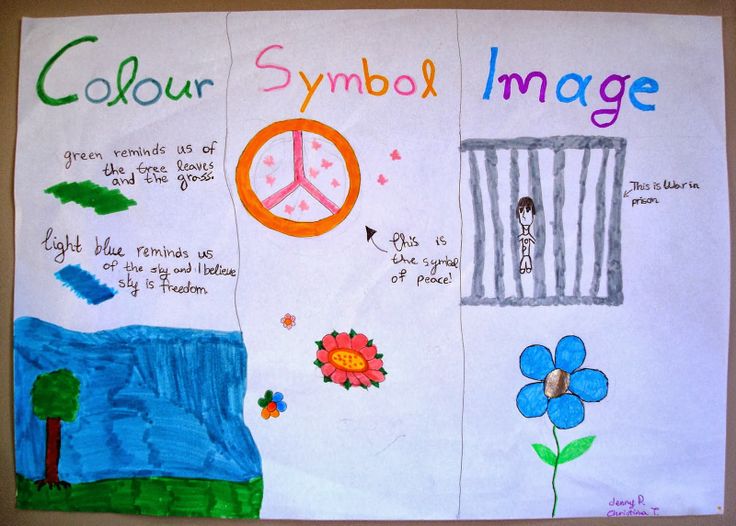
Usually, Colour Symbol Image asks children to choose a colour, a symbol and an image to represent an idea they've already learned about. Reverse it. Present a colour, a symbol and an image yourself, and ask the children to infer the big idea or concept that connects them.
Key points:
- A quick, visual way to get children inferring right at the start of a unit
- Highlights how symbols carry meaning across cultures
- Easily reversed back at the end of the unit as a reflection tool
Guiding conceptual questions:
- What idea or concept might connect this colour, symbol and image? (Connection)
- Why might this symbol have been chosen? What job is it doing? (Function)
- How might someone from another culture interpret these differently? (Perspective)
In a Grade 1 classroom: For a Who We Are unit on feelings, show the colour blue, a raindrop symbol and an image of a child sitting alone. Children guess the feeling, then share a time they felt that way and what helped.
In a Grade 4 classroom: For a Where We Are in Place & Time unit on revolution and revolutionaries, I showed green, a peace symbol and an image of a prisoner of war. Students infer what is being represented conceptually, justify their thinking, and discuss how the same colour can mean very different things in different concepts. We used this to tune into the concepts and the children annotated their thoughts on the poster. We came back to this poster and intial refelctions as the inquiry progressed, sharing how our thinking may or may not have changed.
11. The Infographic Analysis
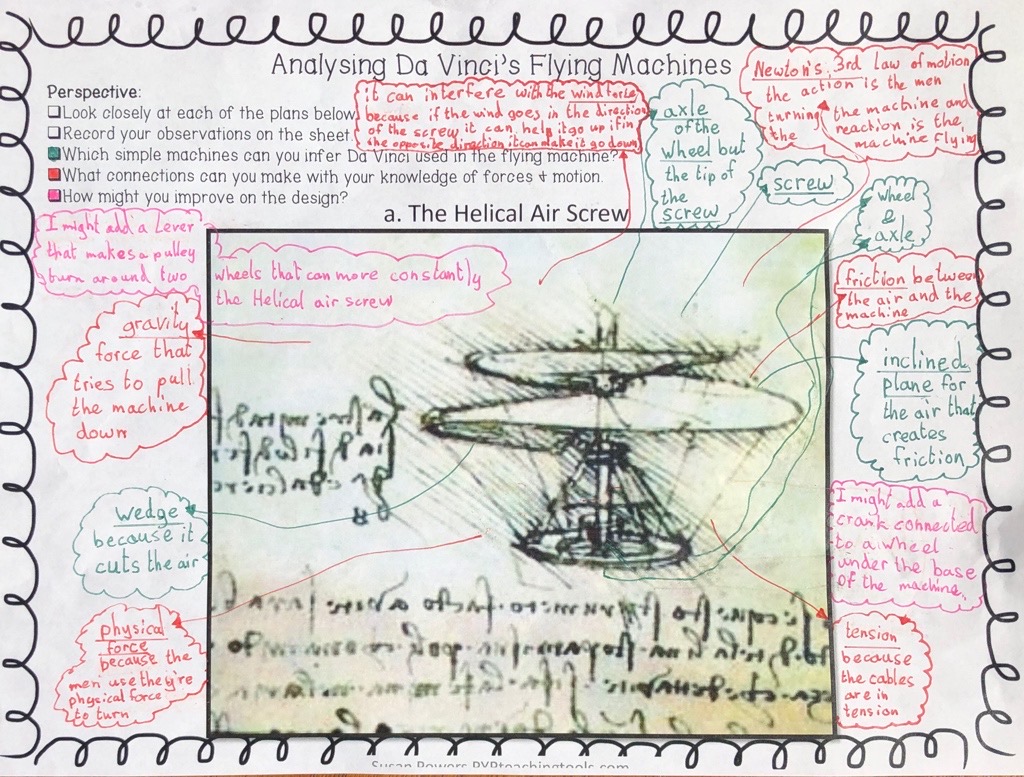
Hand out a map, diagram or infographic related to your unit with the labels removed. Ask small groups to annotate what they think each part means, then compare their annotations with another group before revealing the original.
Key points:
- Builds research and data literacy skills from the very first lesson
- Removing labels pushes children to reason from visual clues
- Comparing annotations sparks rich, evidence-based discussion
Guiding conceptual questions:
- What might the function of each part be? (Function)
- How are the different parts connected? (Connection)
- What might cause this to change in the future? (Causation)
In a Grade 1 classroom: For a How We Organize Ourselves unit on our school, give pairs a simple unlabelled map of the school grounds. Children colour and draw on what they think each space is used for, then go on a walk to check.
In our Grade 4 classroom: For a How the World Works unit on forces & motion, I gave groups an unlabelled diagram of the Da Vinci's flying machines. Students annotated their thoughts and questions about the function of each part, shared their current understanding and then we compared with another group before checking the labelled version. This brought out a LOT of questions, and ultimately, we designed our new and improved version as the inquiry and our understanding of the concepts, evolved. You can link to that complete unit of inquiry here. HTWW Forces & Motion.
Want the Full Set, Ready to Print?
If you'd rather not build these from scratch every unit, I've already done it for you. My IB PYP Concepts Provocation Bundle covers the complete Programme of Inquiry with ready to print provocations for every unit, so you can pull one out the night before and know it is going to land. There's a set for big kids and for little kids, both providing graphic organisers to support thinking and reduce cognitive load.
➡️ Grab the Provocation Bundle Here
BE INSPIRED. BE CONFIDENT. BE READY!
And if provocations like these are exactly the kind of thing you want waiting for you every single unit, without having to plan them from scratch, resources just like these are already included inside your Annual Membership resource library. No extra purchase, no extra planning. Just open it up and go😊
👉 Explore the Annual Membership
Enjoy!
Yours aye,
Susan
P.S. I'd love to see how you use these in your own classroom. Tag me on Instagram @pypteaching so I can cheer you on.
